
 Save
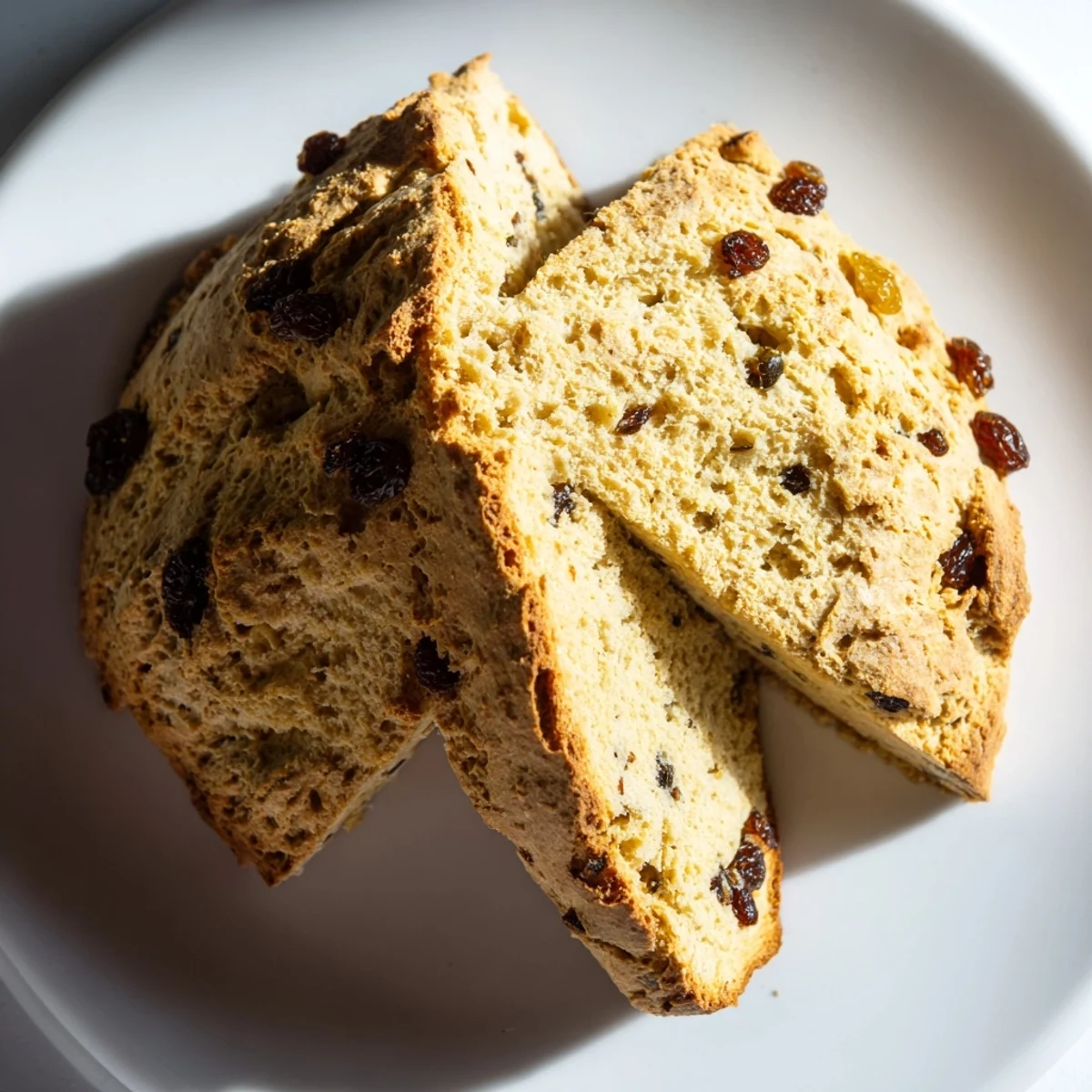
Save This traditional Irish bread combines the rich flavors of dried currants and caraway seeds for a uniquely aromatic taste. The quick bread method creates a tender crumb with minimal preparation time. Using buttermilk, baking soda, and simple mixing techniques, this loaf delivers moistness and subtle sweetness. Ideal for breakfast or teatime, it pairs wonderfully with butter or honey. Baking until golden brown ensures a perfect crust, while cooling enhances slicing. Optional swaps like whole wheat or alternate dried fruits personalize the loaf.
The winter our radiator broke and the kitchen became the only warm room in the apartment, I found myself baking bread at midnight just to generate heat. That first loaf of Irish soda bread emerged from the oven with the most incredible aroma, caraway seeds perfuming every corner while my roommates emerged from their cold bedrooms like sleepy bears.
My grandmother would have laughed at calling this a recipe, she made soda bread by memory more than measurement. But the morning I taught my skeptical roommate to cut that signature X in the dough, telling him it lets the fairies out, he finally understood that some kitchen traditions exist just for the joy of them.
Ingredients
- All-purpose flour: The foundation, though I learned through trial that bread flour makes it too dense
- Granulated sugar: Just enough to balance the tang of buttermilk without making it dessert
- Baking soda: The traditional leavener, no yeast waiting period needed
- Fine sea salt: Enhances all the other flavors without making it taste salty
- Caraway seeds: These make it unmistakably Irish, their licorice notes develop beautifully in the oven
- Dried currants: Smaller and more tart than raisins, they distribute more evenly through the crumb
- Buttermilk: Essential for both flavor and the chemical reaction with baking soda
- Egg: Adds richness and helps create that tender interior
- Unsalted butter: Melted into the buttermilk creates the most consistent texture
Instructions
- Preheat your oven:
- Get it to 400°F and line a baking sheet, this bread bakes at high heat for that signature crust
- Whisk the dry ingredients:
- Combine flour, sugar, baking soda, salt, and caraway seeds in a large bowl until everything is evenly distributed
- Add the currants:
- Stir them in until they are coated with flour, which prevents them from sinking during baking
- Mix the wet ingredients:
- In a separate bowl, whisk together buttermilk, egg, and melted butter until smooth
- Combine everything:
- Make a well in the center of the dry ingredients, pour in the wet mixture, and stir until a shaggy dough forms
- Gentle kneading:
- Turn onto a floured surface and knead just 8 to 10 turns, just enough to bring it together
- Shape the loaf:
- Form it into a round about 2 inches high and transfer to your prepared baking sheet
- Cut the X:
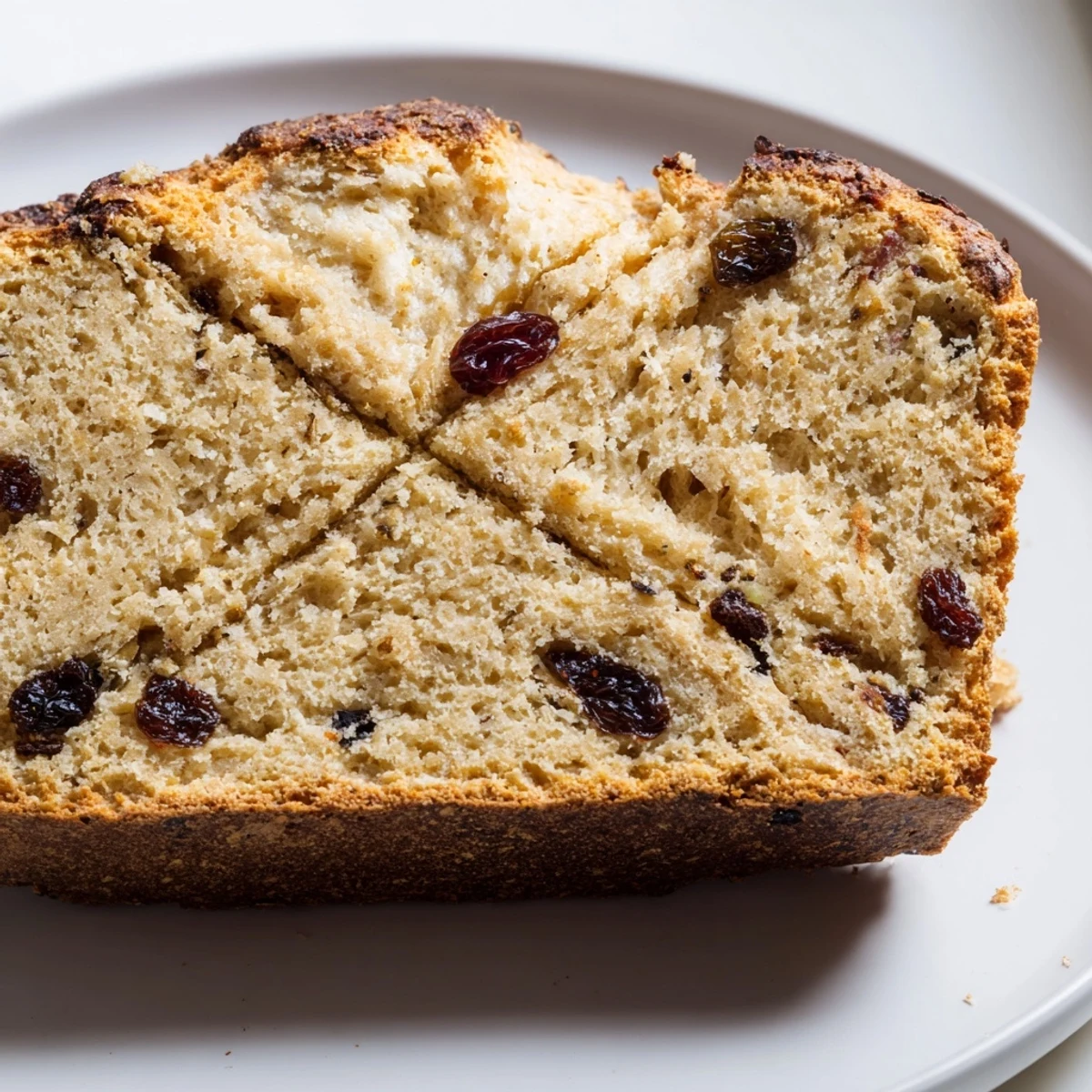
- Use a sharp knife to cut a deep cross across the top, about half an inch deep
- Bake until golden:
- Bake for 38 to 42 minutes until golden brown and hollow when tapped on the bottom
- Cool completely:
- Let it rest on a wire rack for at least 30 minutes before slicing, this step is crucial
 Save
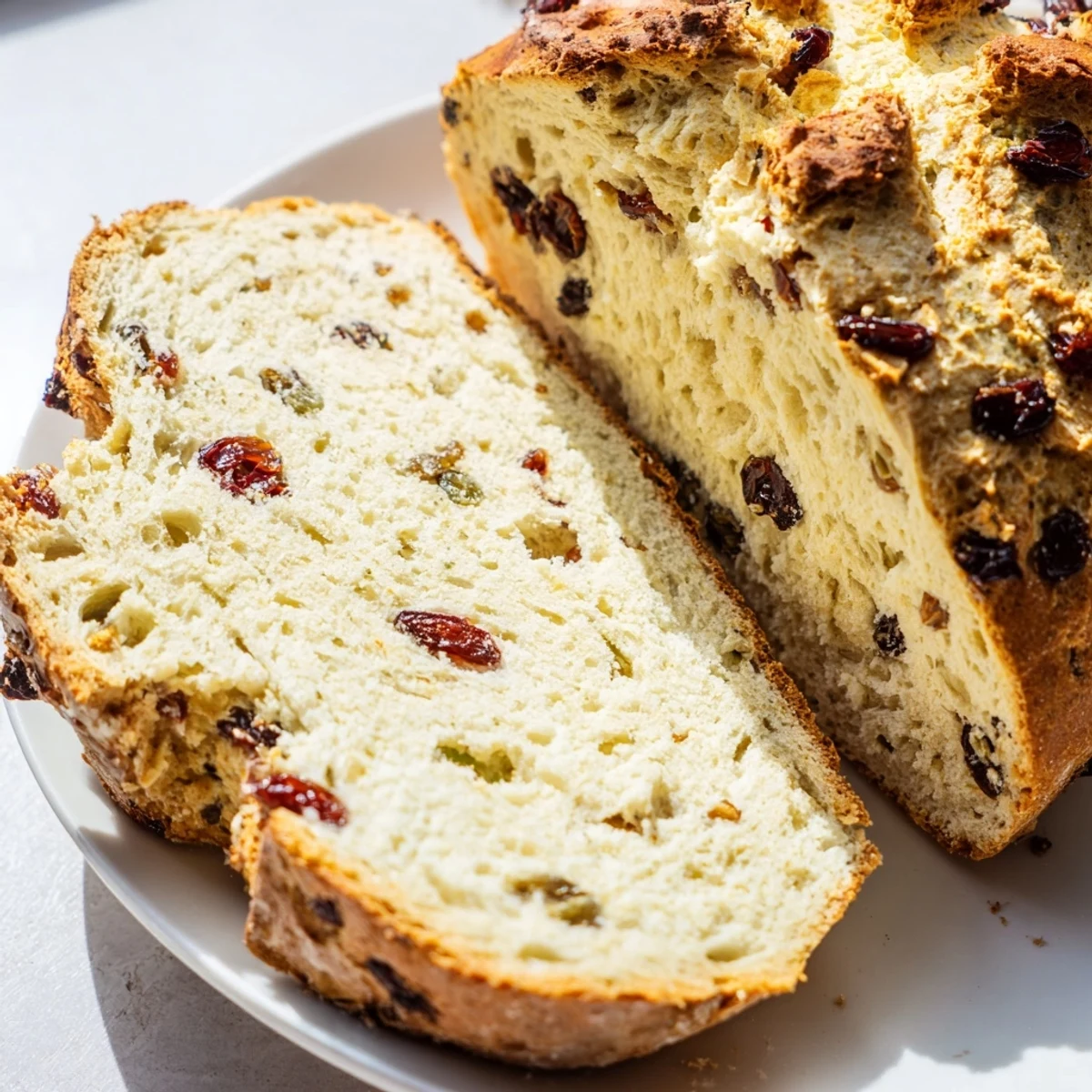
Save The St. Patricks Day I served this still warm, slathered with salted butter, a friend who never eats seconds took three slices. Something about the combination of warm bread, melting butter, and that distinctive caraway fragrance turns a simple tea bread into something people remember.
The Secret to the X
Every Irish baker has their own explanation for the cross cut into the top. Some say it lets the fairies escape, others that it blesses the bread. Practically, it allows heat to penetrate the dense center, ensuring the loaf bakes through without burning the outside.
Choosing Your Dried Fruit
Currants are traditional because their small size means they do not create holes in the crumb. Raisins work in a pinch but their size changes the texture. Dried cranberries add a tart note that I have grown to love in autumn batches.
Making It Ahead
This bread is at its absolute best the day it is made, when the crust is still slightly crisp and the interior has that fresh baked tenderness. That said, leftover slices transform beautifully in the toaster.
- Wrap cooled bread tightly in plastic for up to 2 days
- Freeze individual slices and toast straight from frozen
- Revive day old bread with a quick sprinkle of water and 5 minutes in a warm oven
 Save
Save There is something deeply satisfying about a bread that requires no patience, no waiting, just mixing and baking. From my broken radiator kitchen to yours, may your kitchen be warm and your caraway seeds be fresh.
Recipe FAQs
- → What gives this bread its distinct flavor?
-
The blend of dried currants and aromatic caraway seeds imparts the unique sweetness and subtle spiciness that defines this loaf.
- → Can I substitute the buttermilk in the batter?
-
Yes, you can use a mixture of milk and lemon juice or vinegar to mimic buttermilk's acidity and texture in the dough.
- → How do I know when the bread is fully baked?
-
The loaf should be golden brown, sound hollow when tapped on the bottom, and a skewer inserted in the center should come out clean.
- → Is it better to use fresh or dried currants?
-
Dried currants are preferred for their concentrated sweetness and texture that hold up well during baking.
- → Can I add whole wheat flour for a different texture?
-
Substituting half the all-purpose flour with whole wheat flour enhances flavor and adds a heartier texture to the bread.
- → What is the best way to serve this bread?
-
Serve warm with butter or honey, particularly during breakfast or teatime to highlight its flavors.