
 Save
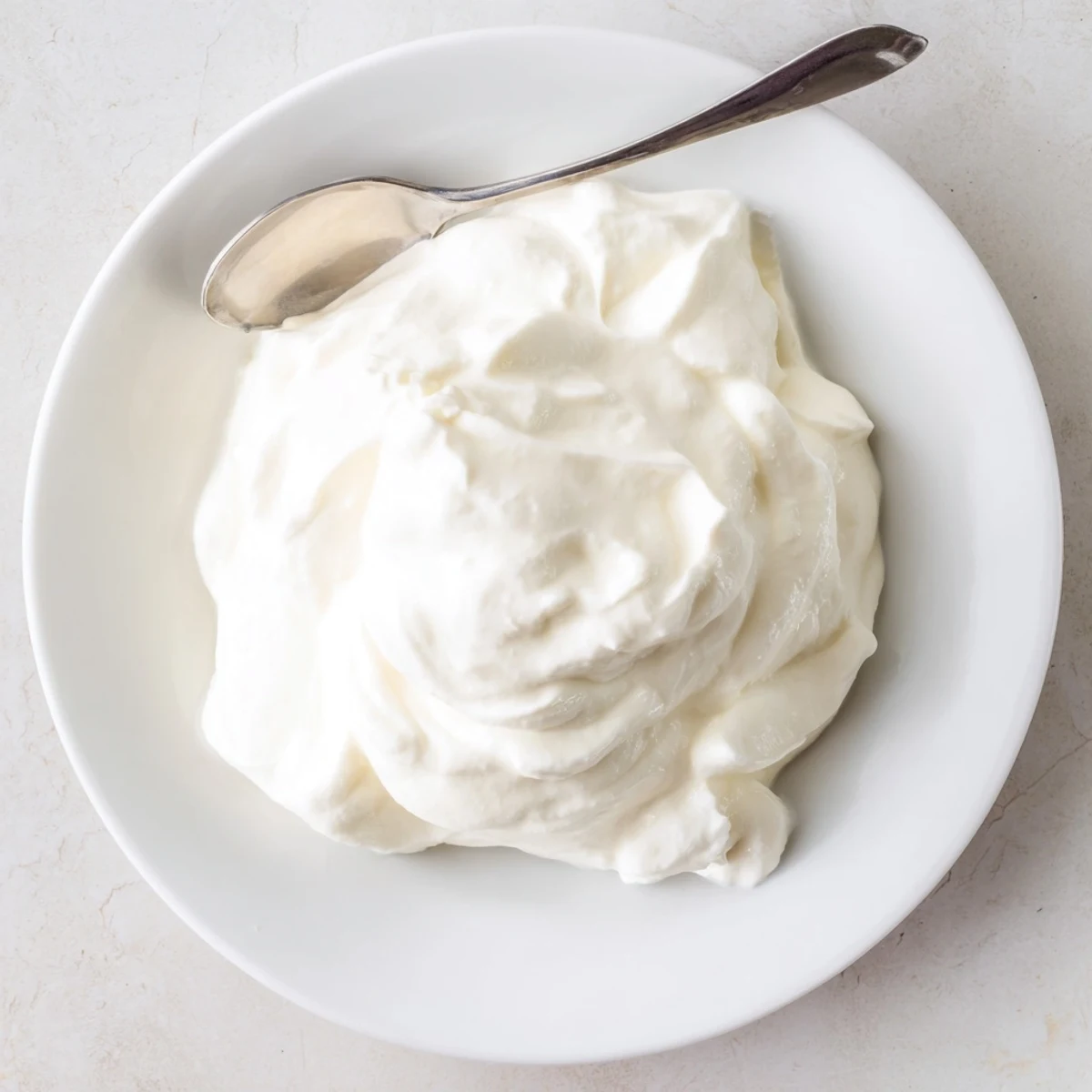
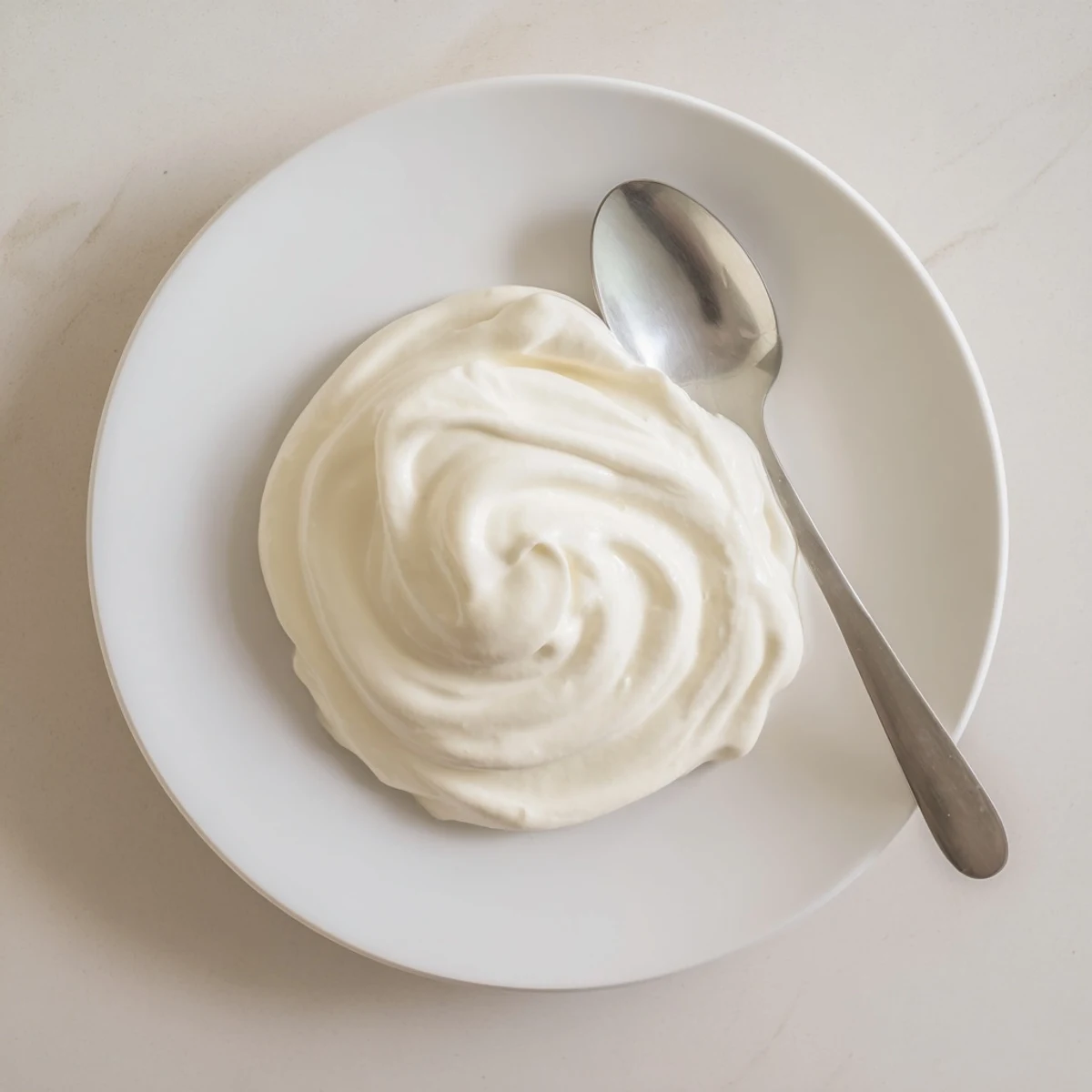
Save Master the art of homemade Greek yogurt using whole milk and a live culture starter. Heat milk to 180°F, cool to 110°F, then add the starter culture. Let it ferment undisturbed for 6-8 hours until set. For that signature thick texture, strain the yogurt through cheesecloth for 1-2 hours in the refrigerator. The result is a rich, protein-rich yogurt perfect with honey and fresh fruit, or as a versatile base for savory dishes and baked goods.
There's something magical about watching milk transform into thick, creamy yogurt right on your kitchen counter. My first attempt was born from sheer curiosity and an empty yogurt container that needed refilling. The process felt like kitchen alchemy, and when I scooped that first spoonful of homemade Greek yogurt, I couldn't believe how much richer it tasted than anything from the store.
Last summer, I started making a batch every Sunday evening while catching up on podcasts. My roommate started hovering around the kitchen during straining time, claiming she could taste the difference immediately. Now we argue over who gets the last spoonful of honey drilled portions.
Ingredients
- Whole milk: The higher fat content creates that luxurious creamy texture we love in Greek yogurt
- Plain yogurt with live cultures: Your starter culture is the heart of the recipe so choose a brand you enjoy
Instructions
- Heat the milk:
- Warm your milk in a saucepan over medium heat, stirring gently now and then, until it reaches 82°C (180°F)
- Cool it down:
- Let the milk cool to 43°C (110°F) this usually takes about 20 minutes but a thermometer removes all the guesswork
- Make your starter:
- Whisk 2 tablespoons of cooled milk with your yogurt starter until completely smooth
- Combine everything:
- Pour the starter mixture back into your cooled milk and stir gently to incorporate
- Let it culture:
- Pour into a clean container, cover, and wrap in a towel or use a yogurt maker for 6 to 8 hours
- Strain for thickness:
- Line a strainer with cheesecloth, set it over a bowl, add your yogurt and refrigerate 1 to 2 hours until it reaches your desired consistency
 Save
Save This recipe became my go to housewarming gift after I realized how few people have tried making yogurt at home. There's joy in handing someone a jar of something you created with your own hands, watching their face light up when they take that first taste.
Choosing Your Milk
While whole milk gives the best results, I have experimented with goat and sheep milk for interesting flavor variations. Each milk brings its own character, with sheep milk being especially rich and tangy.
The Culturing Process
Finding the perfect warm spot in your kitchen might take some experimentation. I have used my oven with just the light on, a sunny windowsill, and even wrapped the container in blankets during colder months.
Making It Your Own
The whey you strain off is liquid gold, packed with protein and probiotics. I use it in smoothies, as a marinade base, or even added to pancake batter for extra nutrition.
- Save some of your homemade batch as starter for your next round
- Experiment with different serving combinations like fresh berries and granola
- The strained yogurt keeps for about two weeks in the refrigerator
 Save
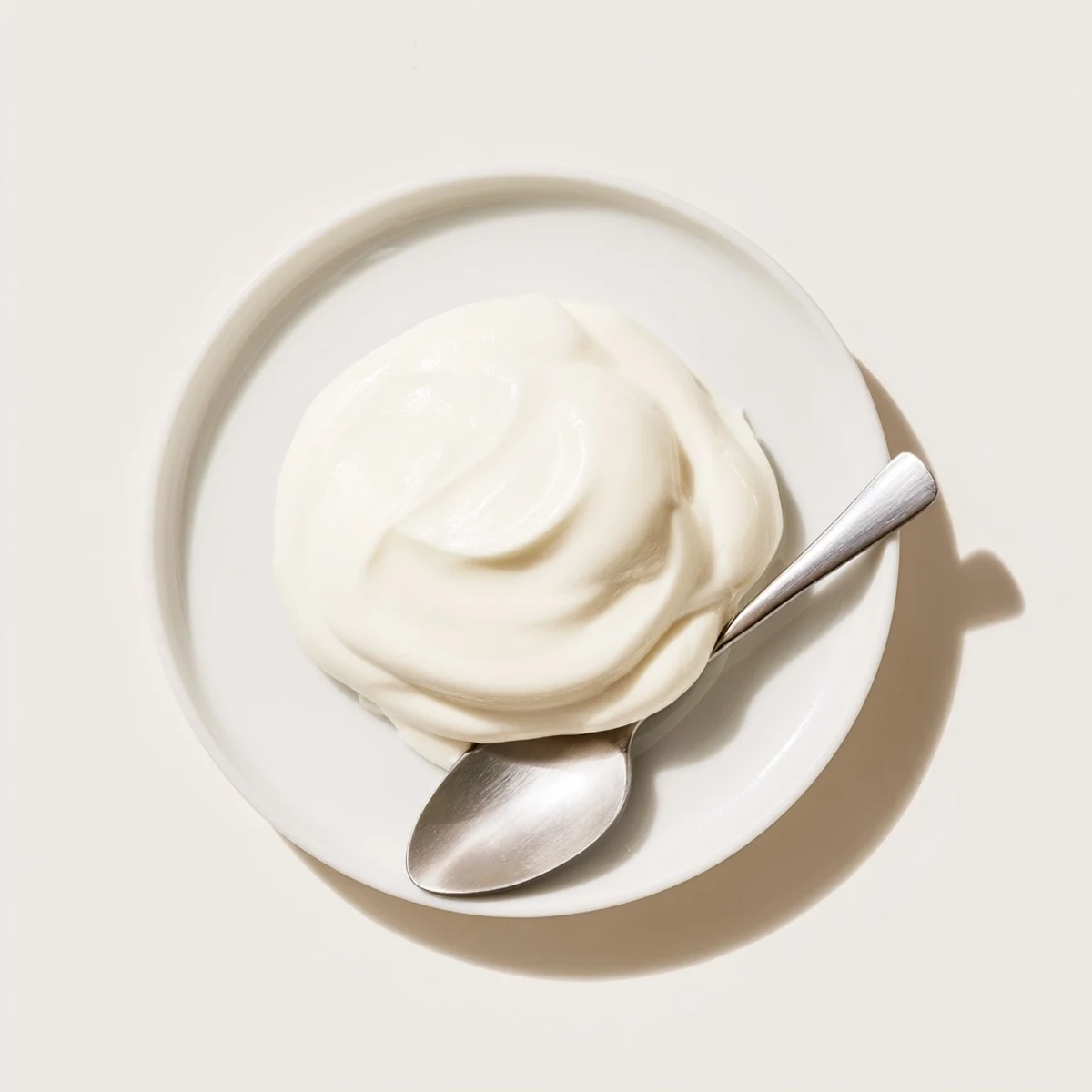
Save Once you start making your own Greek yogurt, store bought versions just will not compare. Here is to many batches of creamy perfection in your future.
Recipe FAQs
- → What makes Greek yogurt different from regular yogurt?
-
Greek yogurt undergoes straining to remove whey, resulting in a thicker, creamier texture with higher protein content compared to regular yogurt. The straining process concentrates the yogurt, making it denser and more velvety.
- → How long does homemade yogurt stay fresh?
-
Properly stored homemade Greek yogurt keeps fresh in the refrigerator for up to 2 weeks. Always use clean utensils when serving to prevent introducing bacteria that could shorten its shelf life.
- → Can I use non-dairy milk for this?
-
Yes, you can substitute goat or sheep milk for different flavor profiles. For non-dairy versions, use appropriate dairy-free yogurt starter cultures, though texture and results may vary from traditional Greek yogurt.
- → What can I do with the whey strained from yogurt?
-
The strained whey is nutritious and versatile. Blend it into smoothies, use it in baking recipes, or add to soups for extra protein and tang. It can also be used to soak grains or as a starter for fermenting other foods.
- → Why do I need a thermometer?
-
Precise temperature control is crucial for success. Heating to 180°F kills unwanted bacteria, while cooling to 110°F creates the ideal environment for beneficial cultures to thrive. Too hot and the cultures die, too cool and they won't activate properly.