
 Save
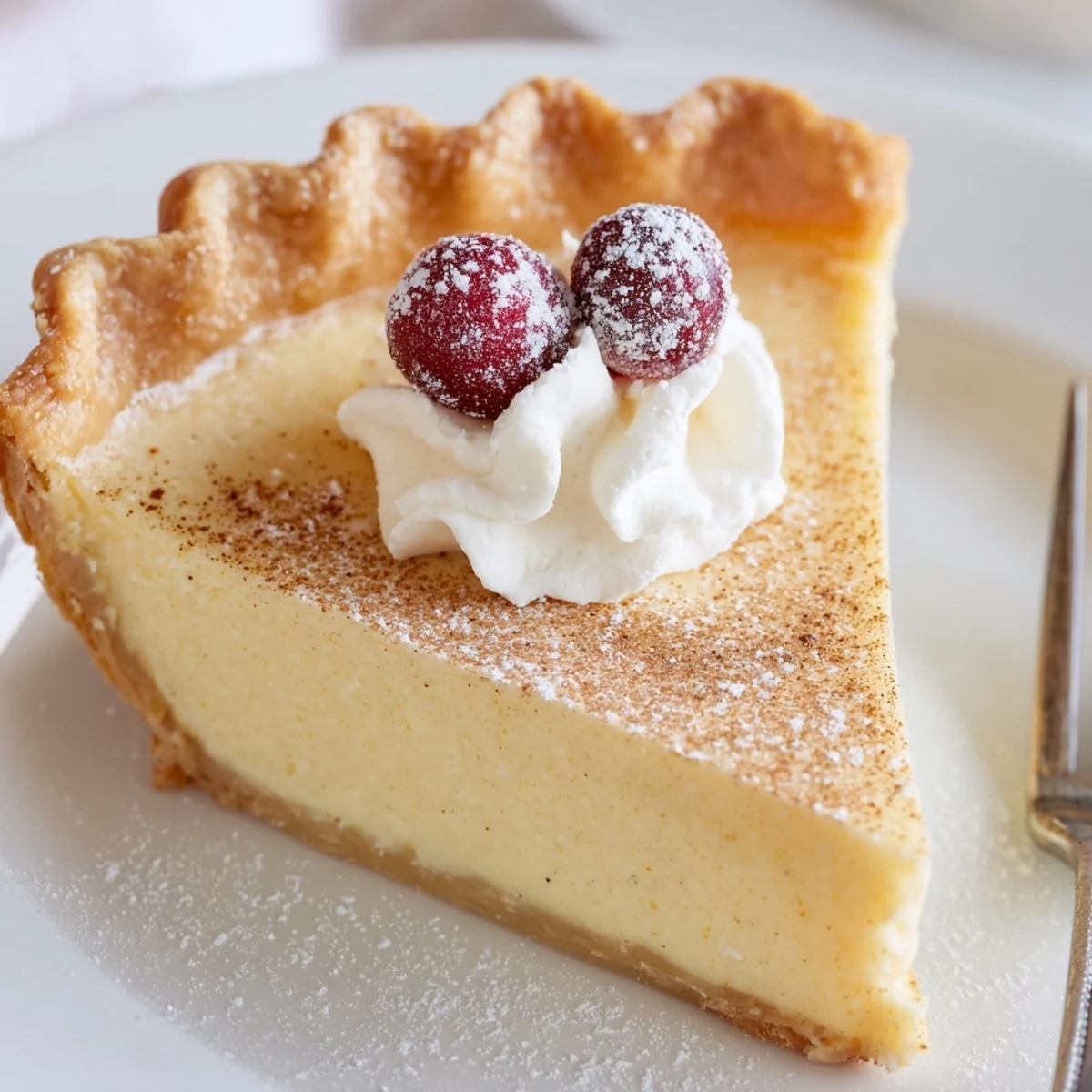
Save This velvety custard pie combines whole milk, cream, eggs, sugar and a touch of cornstarch for stability, scented with vanilla and ground cinnamon. Warm the dairy, temper the eggs, strain for a silky texture, then bake until the center is just set. Cool on a rack, chill at least two hours to finish setting. Tip: tent crust if it browns too fast and garnish with powdered sugar or sugared cranberries.
The aroma of cinnamon and vanilla always brings an instant sense of warmth to my kitchen, but the first time I baked this custard pie it was the soft shuffle of slippers on Christmas Eve that marked the moment. There was a quiet hum from the heating vent and twinkling lights reflected in the mixing bowl while I whisked the eggs, a gentle anticipation building as the custard came together. This pie is as much about the ceremony—the careful pouring, the patient cooling—as it is about feasting. Baking it became a ritual for winding down after a flurry of holiday preparations, when only comfort and sweet scents were left to tend to.
Last Christmas Eve, I handed warm slices of this pie to my family as we queued up our favorite carols. My cousin Lily pretended to sneak an extra spoonful of powdered sugar on top and we all laughed when she declared it "Christmas cloud pie." Despite the simple ingredients, it turned a regular night into something quietly celebratory—hugged by soft lighting, candle glow, and small bursts of cinnamon sweetness. The first chilly bite was always met with the same sparkle you get after stepping in fresh snow.
Ingredients
- 9-inch unbaked pie crust: Whether you go store-bought for ease or homemade for pride, make sure it feels pliable and cold—pressed gently into your tin, it should hug every curve to avoid shrinking.
- Whole milk: Full-fat milk keeps the custard lush, and I learned to warm it slowly so it never scalds.
- Heavy cream: Adds velvety richness that carries the spices—skip skim here for pure indulgence.
- Large eggs: The backbone of a custard, best whisked at room temperature for a silkier set.
- Granulated sugar: Sweetens without overpowering, and if you cream it well with the eggs, it melts beautifully into the mix.
- Cornstarch: A little insurance for thickening, just enough so the filling slices clean but still feels soft.
- Vanilla extract: Adds deep, floral warmth—real vanilla makes a noticeable difference.
- Ground cinnamon: The heart of the holiday fragrance, scattered in and on top for a cozy finish.
- Fine sea salt: Brightens every sweet note; don't skip this tiny helping hand.
- Powdered sugar (optional): For a snowy look—I dusted it over just before serving for the best visual magic.
Instructions
- Prepare the crust:
- Gently ease your unbaked pie crust into the 9-inch pie pan, pressing it into the corners and trimming or crimping as you like—those little fluted edges crisp up beautifully.
- Start the cream:
- In the calm of your kitchen, pour milk and cream into a saucepan and heat gently; the first tiny curls of steam are your cue to take it off the stove, not a rolling boil.
- Mix the custard:
- Whisk the eggs, sugar, cornstarch, vanilla, cinnamon, and salt in a big bowl until smooth and creamy, so you can almost hear the sugar dissolving quietly.
- Temper and combine:
- Slowly—and I mean slowly—pour the hot milk into your egg mixture, whisking the whole time so it doesn't curdle or surprise you.
- Strain for smoothness:
- Push the custard through a fine sieve into a clean bowl; this step is magic for catching any cooked bits and giving you pure velvet.
- Fill and bake:
- Pour the silky custard into your prepared crust, slide it gently into the oven, and bake for 45-50 minutes until it feels just set with a slight jiggle at the center.
- Tent if needed:
- If the edge of the crust darkens too early, a loose hat of foil will protect it—no need for drama.
- Cool and set:
- Allow the pie to cool completely on a wire rack as the gentle residual warmth firms everything to its perfect, sliceable self.
- Finish and chill:
- Scatter a final layer of cinnamon over the surface, and a snowfall of powdered sugar if you're feeling festive, then chill at least 2 hours for clean slices and a more settled flavor.
 Save
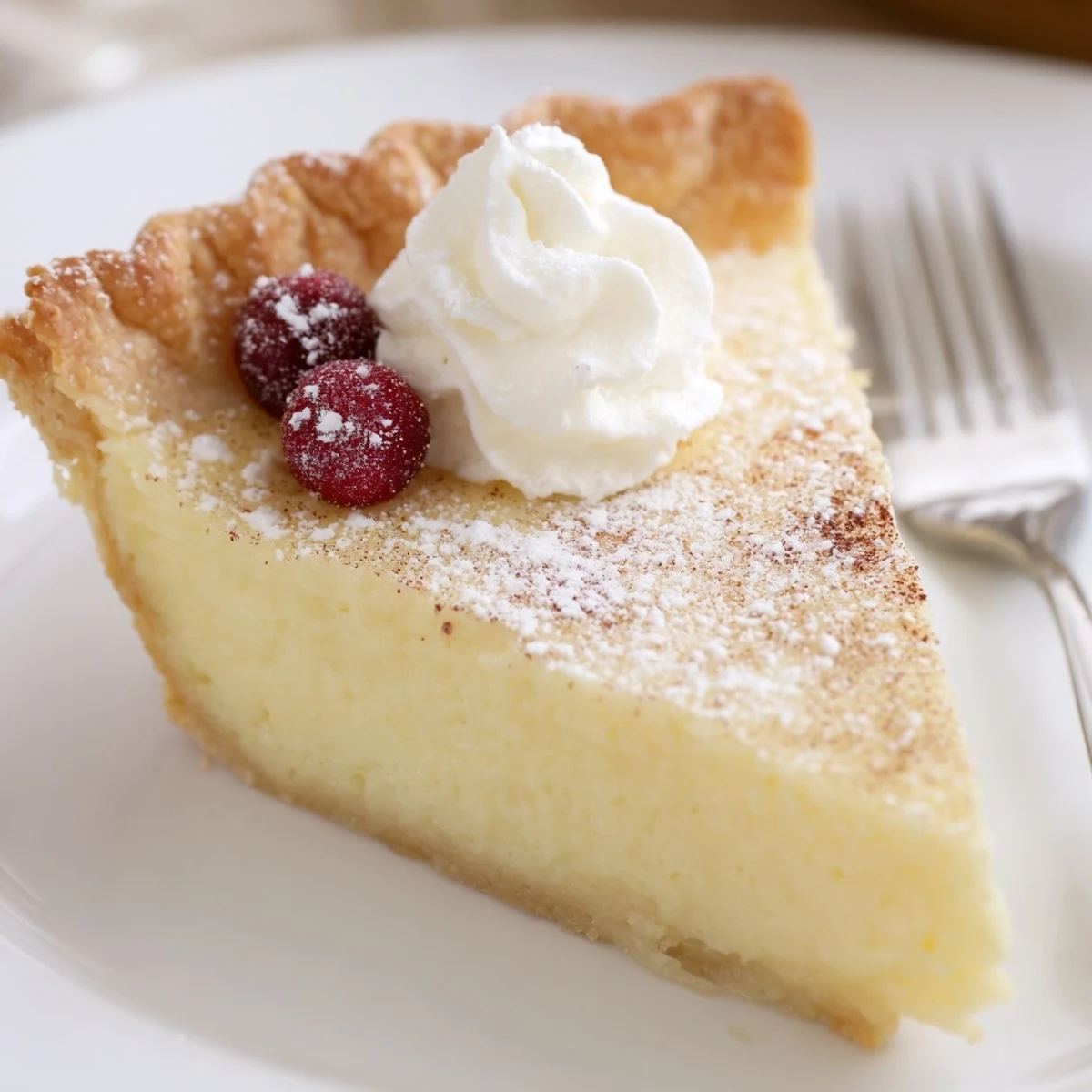
Save One quiet year, we served this pie on mismatched plates as friends dropped by unannounced; what I remember most is not the perfect swirl of cinnamon, but the easy laughter and how everyone lingered just a little longer at the table. Pie, it turns out, can become the reason the evening stretches sweetly into midnight—just enough comfort in both flavor and occasion.
How I Learned to Trust the Custard
I was hesitant the first time, not trusting the pie would set after such a wobbly exit from the oven. But letting it cool by the window and then chill in the fridge revealed the magic: it firms but never becomes stiff, with a gentle tremble that practically begs for a forkful. Sometimes trusting the process, not just the timer, led to the best texture.
When Cinnamon Becomes the Star
Adding the extra pinch of cinnamon on top always stirs instant excitement (and if you have little helpers, they'll never let you skip it). The scent wafting out as you slice makes the room feel festive even before dessert is served. A little spice, I realized, becomes as important as any twinkly lights in setting the mood.
Ways to Make It Your Own
My neighbor once added a whisper of brandy and dubbed it "grown up eggnog pie"—a delicious experiment that wound up on my to-do list. Swapping the crust for a gluten-free shell or serving with ruby cranberries transforms the pie into something new each time. Let the base recipe be your invitation to get playful.
- Let the pie cool completely before chilling for no cracks.
- Dust cinnamon just before serving for brightest flavor.
- Taste your vanilla first—cheap extract dulls the custard.
 Save
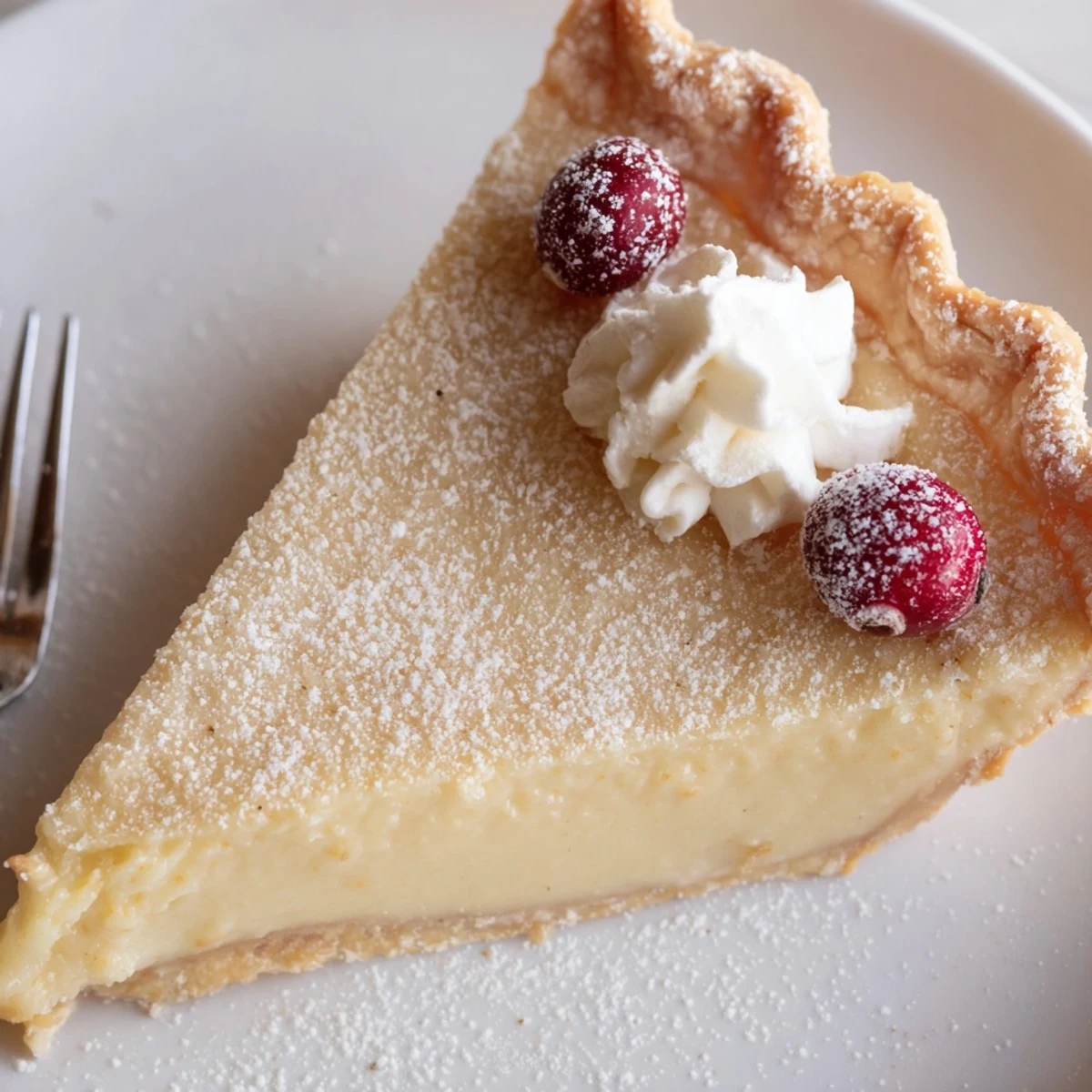
Save This pie fits perfectly into both celebrations and quiet nights in, and you'll find even one slice makes the evening cozier. If there's a better way to welcome Christmas Eve, I haven't found it yet.
Recipe FAQs
- → How can I tell when the custard is done baking?
-
The center should still be slightly wobbly while the edges are set and a thin skin may form on top. It will finish setting as it cools and chills; avoid overbaking to keep a silky texture.
- → What does the cornstarch do in the filling?
-
Cornstarch helps stabilize the custard and produces a smoother, creamier texture by reducing curdling and giving a gentle, uniform set without adding starchy taste.
- → Should I blind-bake the crust first?
-
You can use an unbaked crust as written, but blind-baking briefly helps prevent a soggy bottom. Partially bake until lightly golden, then pour in the filling and finish baking together if preferred.
- → Any dairy-free substitutions that still give a good texture?
-
Full-fat coconut milk yields a rich result; a blend of canned coconut milk and a neutral almond milk can work. Keep the cornstarch and monitor baking time, as non-dairy milks set differently.
- → Can I add bourbon or brandy for extra festive flavor?
-
Yes—add a splash (about 1–2 tablespoons) to the custard mixture after tempering to keep alcohol from curdling the eggs. It brightens the profile without overpowering cinnamon and vanilla.
- → How do I prevent the crust from over-browning?
-
If the edges brown too quickly, tent the pie with foil partway through baking to shield the rim while the center reaches the proper set. Use a pie shield or foil strip for even protection.
- → How long will leftovers keep?
-
Store the chilled pie covered in the refrigerator for up to three days. Keep slices tightly wrapped to preserve texture; brief room-temperature rest (10–15 minutes) improves slicing.