
 Save
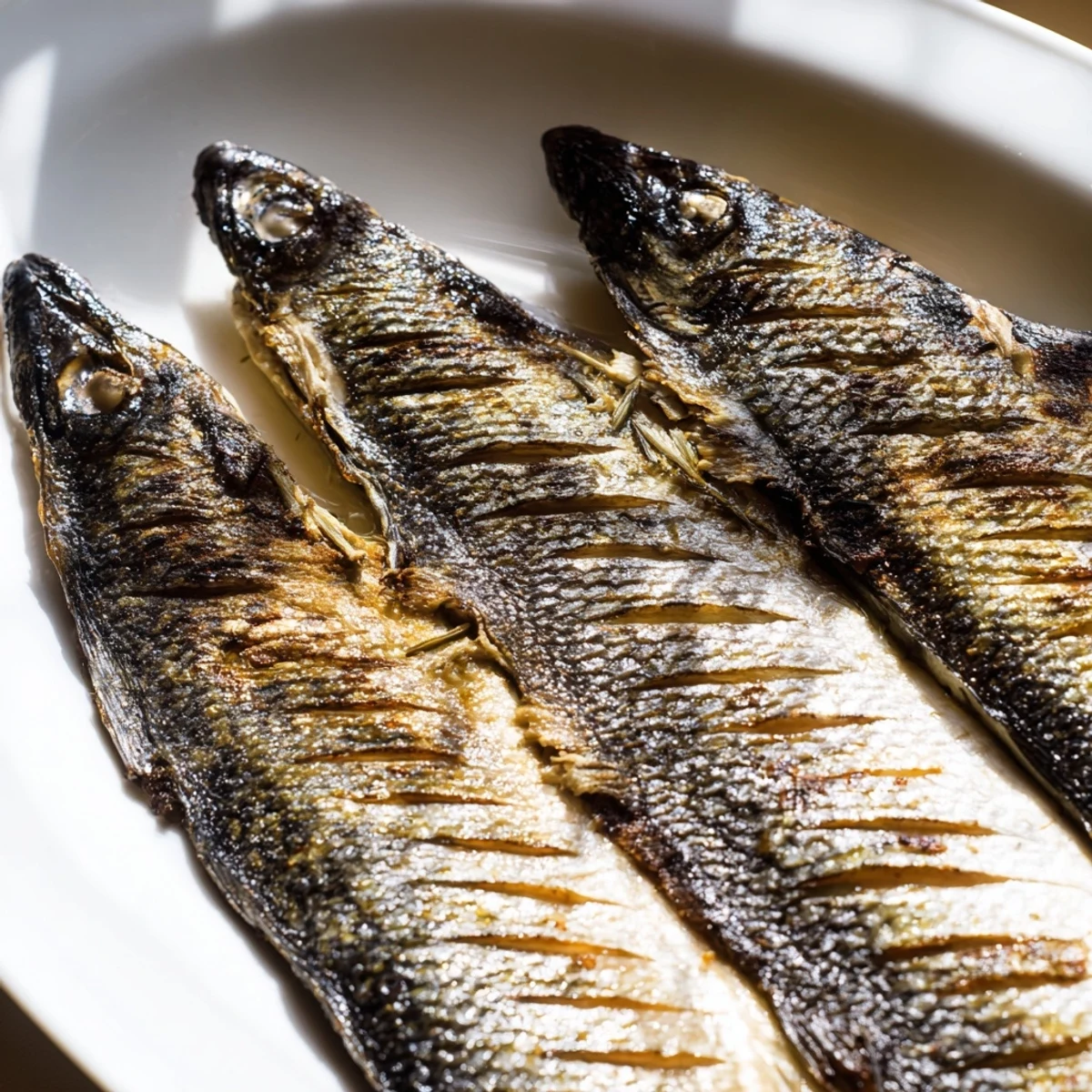
Save This impressive whole roasted fish features perfectly crispy skin and tender, flavorful meat. The Mediterranean preparation uses fresh herbs, garlic, and lemon to create bright aromatics that permeate every bite. Roasting at high heat ensures the skin crisps beautifully while the flesh remains moist and flaky.
The technique is straightforward but yields restaurant-quality results perfect for entertaining. Scoring the skin allows seasonings to penetrate and helps achieve that coveted crunch. A brief rest period before serving ensures juices redistribute throughout the fish.
Serve simply with fresh parsley and lemon wedges to let the pristine flavors shine. Pair with roasted vegetables or a crisp salad for a complete dining experience.
The first time I brought a whole fish home from the market, my roommate looked at me like I had suddenly decided to become a fisherman. I had zero experience with anything that still had eyes and a tail attached, but something about the challenge pulled me in. That evening became one of those kitchen moments where everything just works. The skin came out outrageously crisp, and we ate standing up at the counter, pulling flakes of meat off the bones with our fingers.
Last summer, I made this for a dinner party when my brother came to visit. He is notoriously picky about fish, claiming he does not like the fishy taste, but after one bite of this perfectly roasted sea bass, he went quiet. That is how I know a recipe is a keeper. We sat on the balcony until midnight, picking every last piece off the bones and drinking way too much white wine.
Ingredients
- Whole fish: I usually go for sea bass or branzino, but any white fish works beautifully here. Ask your fishmonger to clean and scale it for you.
- Olive oil: Do not be shy with it. The oil helps the skin crisp up and keeps the flesh moist as it roasts.
- Coarse sea salt: Flaky salt like Maldon is perfect here. It gives you these little bursts of salty crunch against the tender fish.
- Freshly ground black pepper: Grind it right before you use it. The difference is noticeable.
- Lemon: You need one for slicing into the cavity and another for serving wedges at the table.
- Fresh thyme and rosemary: These woody herbs hold up well to roasting and infuse the fish from the inside out.
- Garlic: Thinly sliced garlic tucked into the cavity mellows out as it roasts, becoming sweet and aromatic.
- Fresh parsley: A final sprinkle adds color and a fresh contrast to the rich, roasted flavors.
Instructions
- Get everything ready:
- Preheat your oven to 220°C (425°F) and line a large baking sheet with parchment paper. The high heat is what gives you that crispy skin, so do not be tempted to lower the temperature.
- Prep the fish:
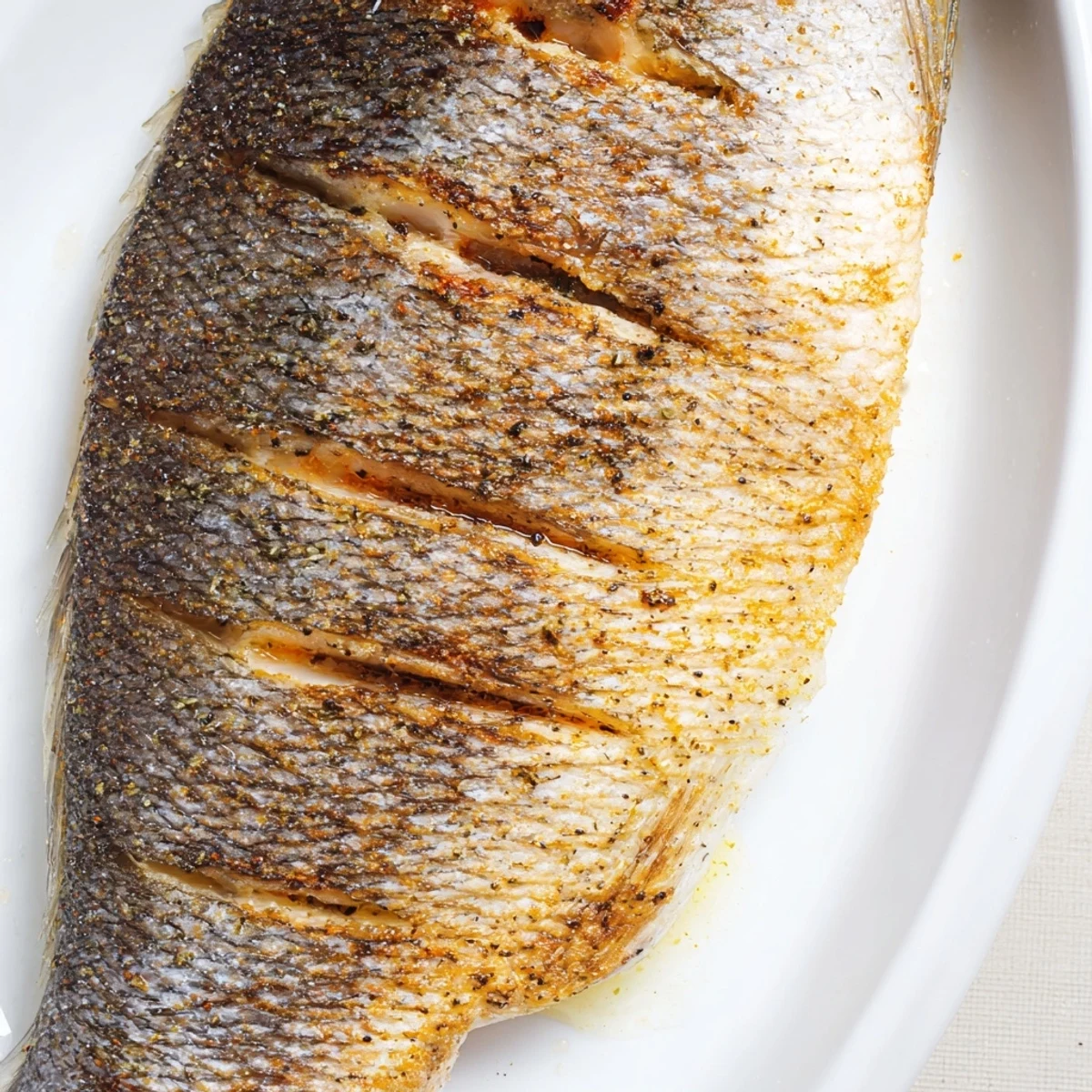
- Pat the fish completely dry inside and out with paper towels. This step is non-negotiable. Water on the skin will steam instead of crisp. Use a sharp knife to make diagonal cuts through the skin, about 3 or 4 per side, being careful not to cut too deep into the flesh.
- Season generously:
- Rub olive oil all over the fish, including inside the cavity. Sprinkle salt and pepper everywhere. I mean everywhere. Get into the crevices, inside the cavity, all over the scored cuts.
- Stuff the cavity:
- Layer lemon slices, thyme sprigs, rosemary, and sliced garlic inside the fish. Pack it in there. These aromatics will perfume the meat as it cooks.
- Position for success:
- Lay the fish on your prepared baking sheet. Make sure the skin is exposed and not folded under. The skin needs direct contact with the heat to get that satisfying crackle.
- Roast until perfect:
- Roast for 20 to 25 minutes. You will know it is done when the skin is golden and crisp, and the flesh flakes easily when you poke it with a fork.
- Rest and serve:
- Let the fish rest for just 2 to 3 minutes. Transfer to a pretty platter, scatter fresh parsley over the top, and serve with lemon wedges on the side.
 Save
Save There is something impossibly satisfying about serving a whole fish. It feels primal and celebratory, like you have really accomplished something in the kitchen. My friend Maria always asks me to make this for her birthday dinner now. She says it reminds her of summers in Greece, sitting at a taverna by the water. That is the magic of food sometimes. It can transport you somewhere else entirely.
Choosing the Right Fish
Look for fish with clear, bright eyes and shiny skin. The flesh should feel firm, not mushy, when you press it gently. If the fish smells strongly fishy or has discoloration, keep looking. A whole fish should smell like the ocean, not like it has been sitting around too long. Your fishmonger can help you pick the best one if you are unsure.
Serving Suggestions
Roasted new potatoes with rosemary and garlic pair perfectly with this fish. A simple green salad with a bright vinaigrette cuts through the richness. For a more Mediterranean spread, serve alongside roasted vegetables like zucchini, bell peppers, and cherry tomatoes. Grilled bread for soaking up any juices at the bottom of the platter is never a bad idea.
Wine Pairing
A crisp white wine is the classic choice here. Think something acidic and mineral to complement the delicate fish. I love a good Sauvignon Blanc or a Pinot Grigio with this dish. If you prefer something with a bit more body, an oaked Chardonnay works beautifully too.
- Vermentino is fantastic if you can find it. It has this salinity that mirrors the sea bass perfectly.
- Albariño from Spain is another great option. Bright, acidic, and incredibly food-friendly.
- Rosé is not out of the question either, especially a dry one from Provence or Tavel.
 Save
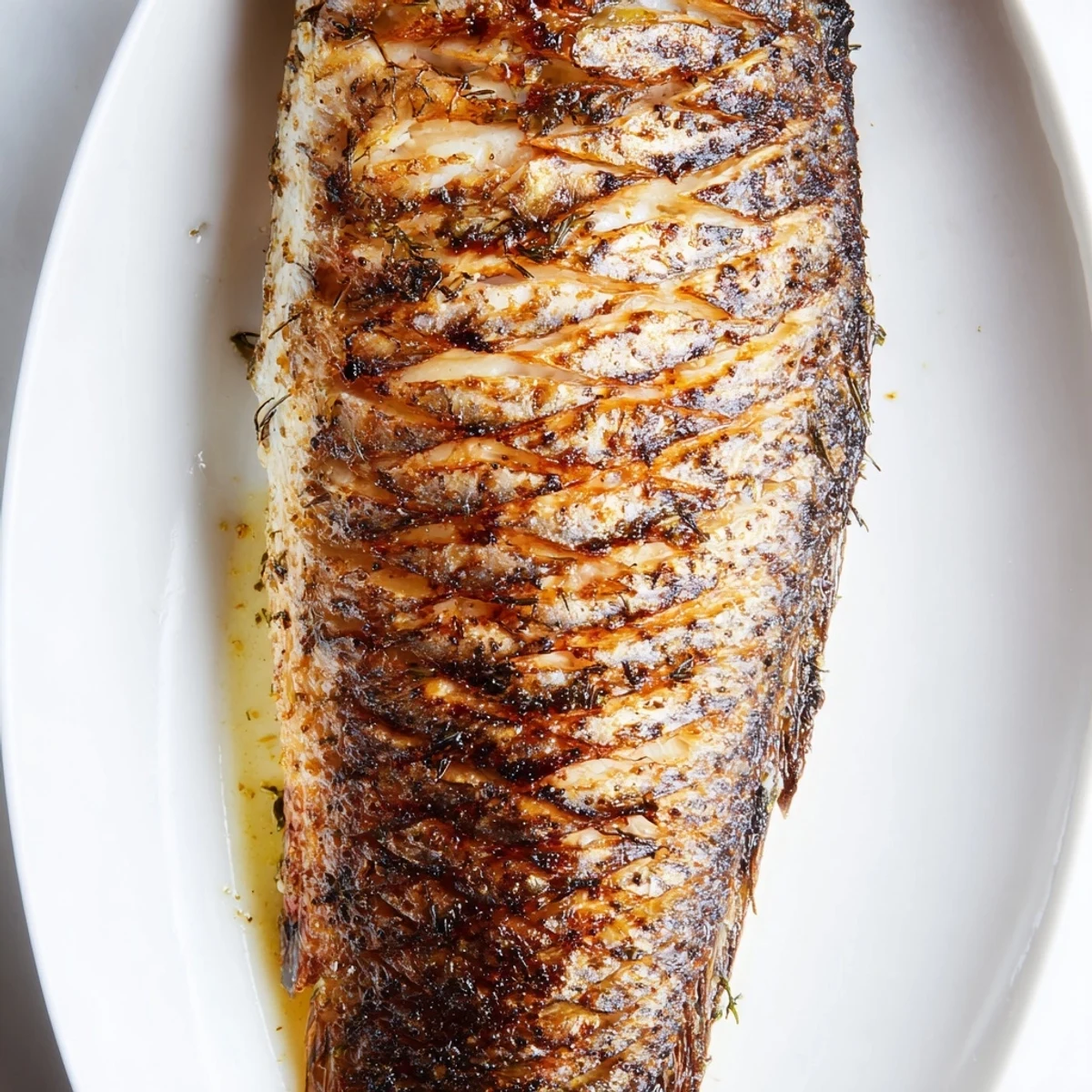
Save Whole roasted fish has become my go-to when I want to impress without actually doing much work. It looks stunning, tastes incredible, and brings people to the table in the best way. That is what cooking should be about.
Recipe FAQs
- → What type of fish works best for roasting whole?
-
Sea bass, snapper, and branzino are excellent choices with mild flavor and firm texture. Look for fish with clear eyes, bright red gills, and fresh ocean smell. The fish should be scaled and cleaned but leave the head and tail intact for impressive presentation.
- → How do you get the skin really crispy?
-
Pat the fish completely dry inside and out with paper towels before seasoning. Score the skin diagonally to help it crisp and prevent curling. Roast at high heat (220°C) and ensure the skin isn't covered by oil or juices during cooking. Let it rest briefly after roasting to maintain crunch.
- → How can you tell when the fish is done?
-
The flesh should be opaque and flake easily when pressed with a fork near the backbone. The internal temperature should reach 63°C (145°F). The skin will be golden and crispy. If unsure, insert a small knife into the thickest part—the flesh should separate from the bone easily.
- → What sides complement this roasted fish?
-
Roasted vegetables like asparagus, zucchini, or bell peppers pair beautifully. A fresh arugula salad with citrus vinaigrette provides bright contrast. Simple boiled potatoes with butter or crusty bread to soak up the juices work wonderfully. Keep sides light to let the fish shine.
- → Can this be prepared in advance?
-
You can clean, dry, and stuff the fish up to 2 hours ahead, refrigerating until ready to roast. Bring to room temperature for 20 minutes before cooking. However, for the crispiest skin, roast just before serving. Leftovers keep well for 1-2 days and can be enjoyed cold or gently reheated.