
 Save
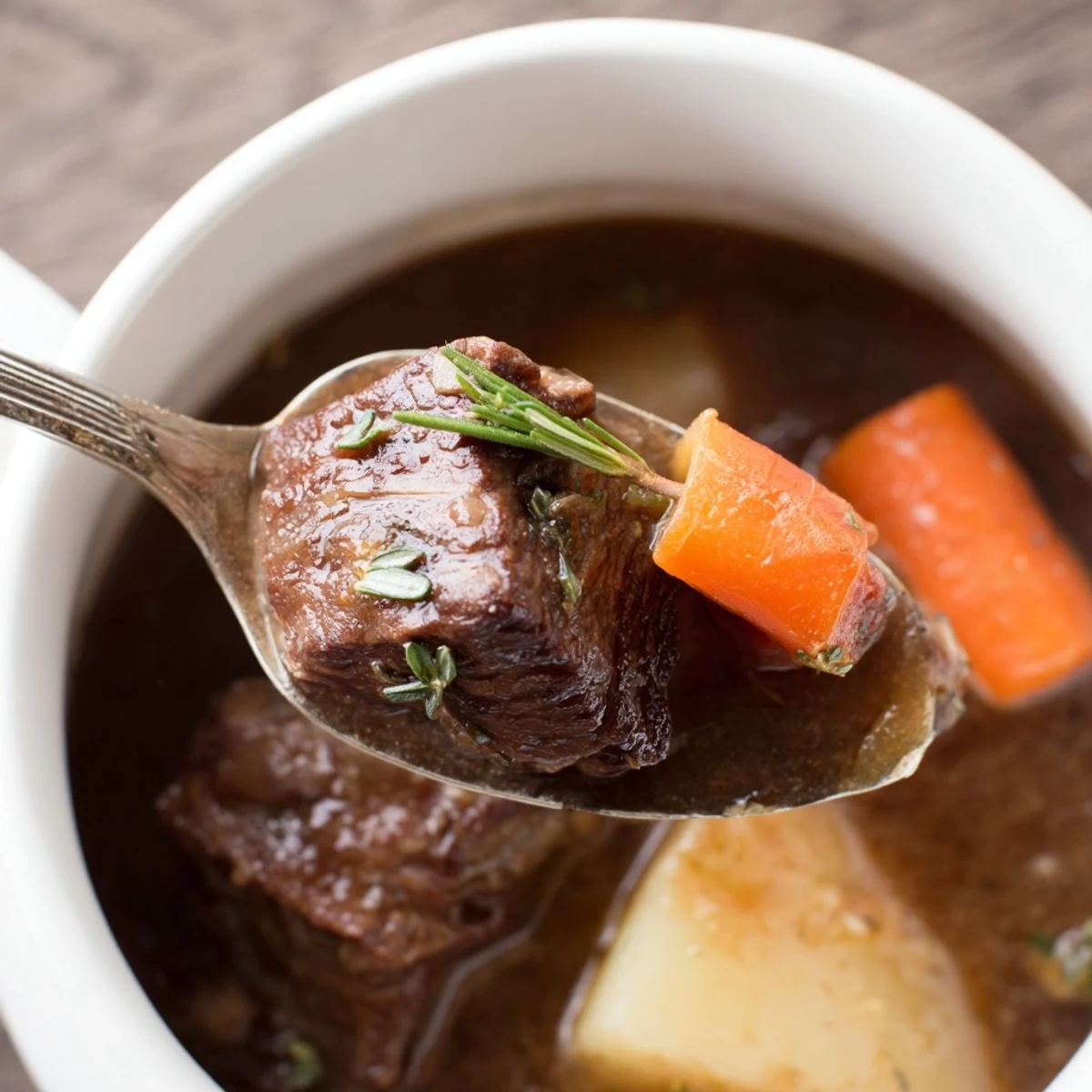
Save This slow cooker beef stew combines beef chuck, vegetables, and herbs in a savory broth that cooks hands-free for 7-8 hours on low heat. Brown the beef first for deeper flavor, then layer with carrots, potatoes, onion, garlic, and celery before adding the broth and seasonings.
The long, slow cooking transforms tough cuts of beef into fall-apart tender pieces while the vegetables absorb the rich flavors. Thicken in the final minutes with a cornstarch slurry for the perfect consistency. Serves 6 generously and pairs beautifully with crusty bread.
The first snowfall of winter always triggers my slow cooker beef stew ritual. There's something magical about the kitchen windows fogging up while the rich aroma of beef and herbs slowly fills every corner of the house. My grandmother taught me this recipe during a particularly harsh Minnesota winter when I was just learning to cook beyond the basics. The transformation of simple ingredients into something so deeply satisfying never ceases to amaze me.
Last winter, my neighbor lost power during a storm and brought her family over for dinner. I had this stew simmering away, and watching their faces light up with that first steamy spoonful reminded me why sharing food matters. Her seven-year-old, who apparently hates vegetables, asked for seconds and then shyly asked for the recipe to take home. Sometimes comfort food transcends preferences and brings people together.
Ingredients
- Beef chuck: The marbling in chuck makes all the difference as those little streaks of fat slowly render and baste the meat from within during the long cooking process.
- Russet potatoes: I learned to cut these slightly larger than the other vegetables because they tend to break down more quickly in the slow cooker.
- Worcestershire sauce: This humble bottle contains multiple layers of umami that elevate the entire stew from good to can't stop eating it.
- Red wine: Just a splash creates depth that transforms the broth into something restaurant worthy without making it taste boozy.
- Bay leaves: These unassuming little leaves work quiet magic in the background, adding a subtle complexity you cant quite put your finger on but would definitely miss if they werent there.
Instructions
- Brown the beef properly:
- Take your time here and work in batches so each cube gets a beautiful caramelized crust. Those browned bits are flavor gold, developing deep richness that will permeate the entire stew.
- Layer strategically:
- Place heartier vegetables like potatoes and carrots at the bottom where they'll absorb more flavor and cook evenly. I learned this by accident when I was rushing and dumped everything in randomly one time.
- Mind your liquids:
- Whisk the tomato paste thoroughly into your broth mixture before adding it to the slow cooker. This prevents those stubborn little tomato paste clumps that refuse to dissolve on their own.
- Master the thickening technique:
- When you add the cornstarch slurry, stir it in gentle figure-eights rather than stirring vigorously. This prevents the vegetables from breaking down while still incorporating the thickener evenly.
- Final taste check:
- Just before serving, taste and adjust with a tiny pinch of salt if needed. Sometimes a few hours of cooking can mellow the seasoning.
 Save
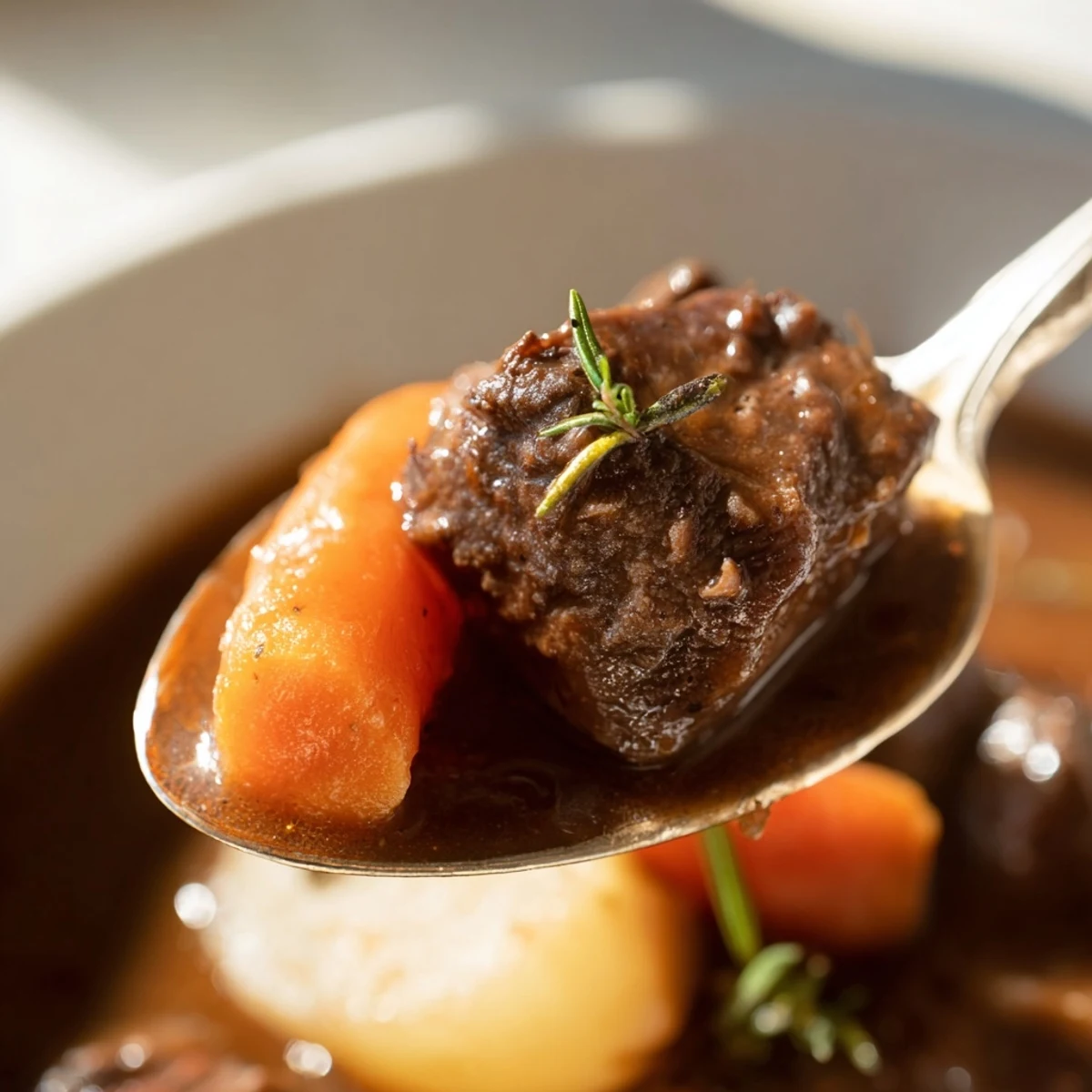
Save My partner proposed to me the night I made this stew for the first time in our new home. We were sitting on moving boxes with mismatched bowls of steaming stew balanced on our knees, and he said the moment felt so perfectly us that he couldn't wait any longer. Now I make it every year on our anniversary, and the familiar scent brings back that perfectly imperfect moment.
Creating Layers of Flavor
The magic of this stew happens in stages, each ingredient releasing its essence at different points during the cooking process. I learned to appreciate this when I accidentally opened the lid at various times throughout cooking one day when I was working from home. Early on, you smell the sharp brightness of the onions and wine, but by hour five, those elements have mellowed and transformed into something deeper and more complex that perfumes the entire house.
Serving Suggestions
While this stew stands perfectly well on its own, pairing it with something to soak up the rich gravy elevates the experience. I discovered the perfect match during a dinner party when a friend brought freshly baked sourdough bread that we tore into hunks and used to mop our bowls clean. The contrast between the crusty bread and the velvety stew created a textural magic that had everyone reaching for seconds.
Making It Your Own
This recipe welcomes adaptation based on what you have available or your family preferences. During spring, I often toss in fresh peas in the last fifteen minutes of cooking for a pop of color and sweetness. My mother adds a splash of balsamic vinegar right before serving, which brightens all the flavors with its subtle acidity.
- For a more rustic version, leave the potato skins on, which adds texture and nutrients while saving prep time.
- If you prefer a stronger herb profile, add a fresh bouquet garni of thyme and rosemary sprigs instead of dried herbs.
- Those cooking for children might want to halve the black pepper and add a tablespoon of honey to take the edge off the tomato acidity.
 Save
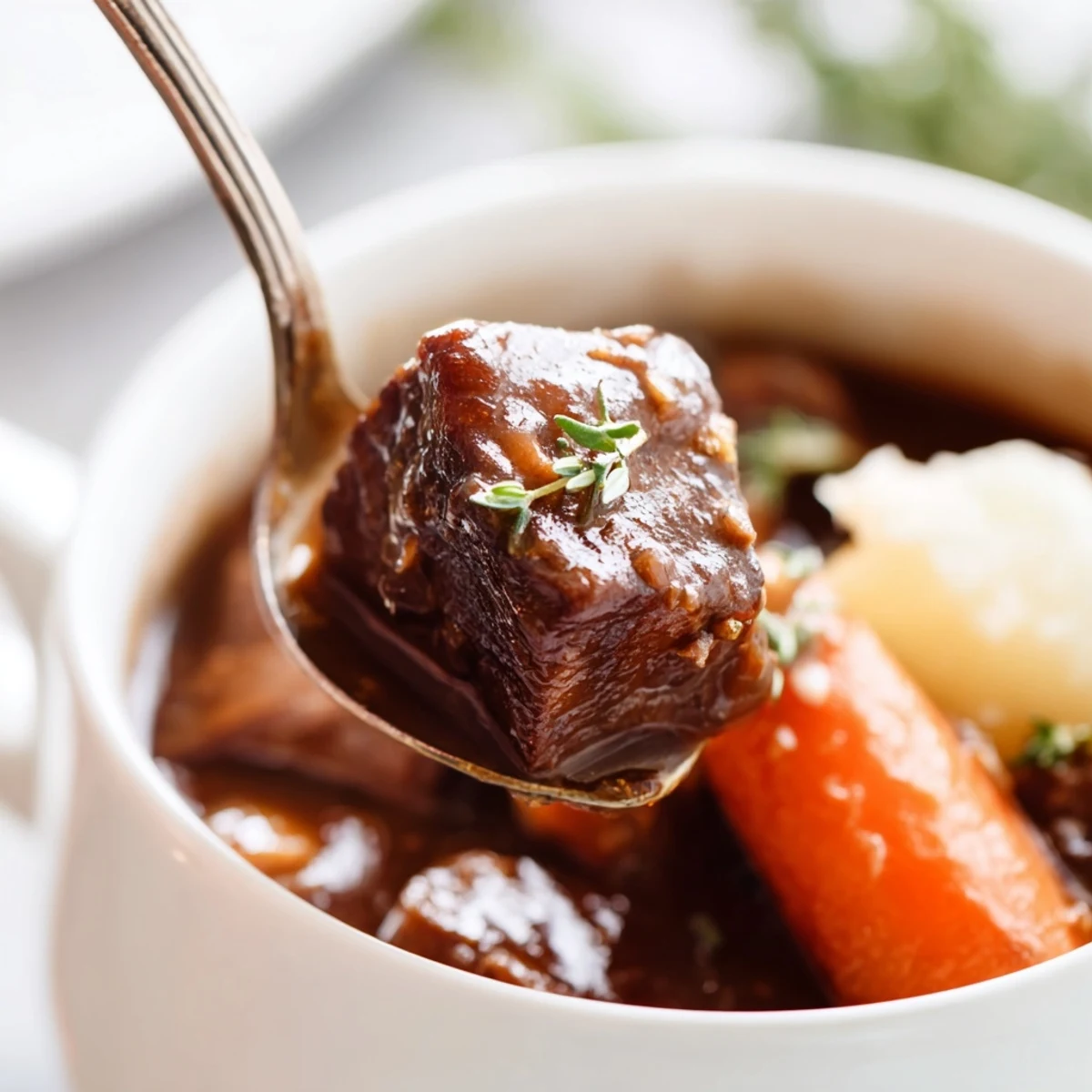
Save Every spoonful of this stew tells the story of generations of cooks finding ways to make humble ingredients shine. May it bring the same warmth and comfort to your table that it has to mine for all these years.
Recipe FAQs
- → Can I use a different cut of beef?
-
Beef chuck is ideal for slow cooking due to its marbling and connective tissue. Brisket or stew meat also work well. Avoid lean cuts like sirloin, which can become dry during extended cooking.
- → How do I know when the beef is tender enough?
-
After 7 hours on low, pierce a piece of beef with a fork—it should break apart easily. If still tough, continue cooking for another 30-60 minutes. The vegetables should be soft but not falling apart.
- → Can I prepare this the night before?
-
Yes. Prepare all ingredients, add to the slow cooker, cover, and refrigerate overnight. In the morning, cook on low as directed. This also allows flavors to develop as ingredients sit together.
- → What if I don't have Worcestershire sauce?
-
Substitute with soy sauce, tamari (for gluten-free), or increase the tomato paste slightly. Worcestershire adds depth, but the stew will still be flavorful with beef broth, herbs, and vegetables.
- → Can I freeze this stew?
-
Absolutely. Let cool completely, then freeze in airtight containers for up to 3 months. Thaw in the refrigerator overnight and reheat gently on the stovetop or in a slow cooker until warmed through.
- → Why brown the beef before slow cooking?
-
Browning creates a flavorful crust through the Maillard reaction, deepening the stew's overall taste. While optional, it significantly improves the final dish's richness and complexity.