
 Save
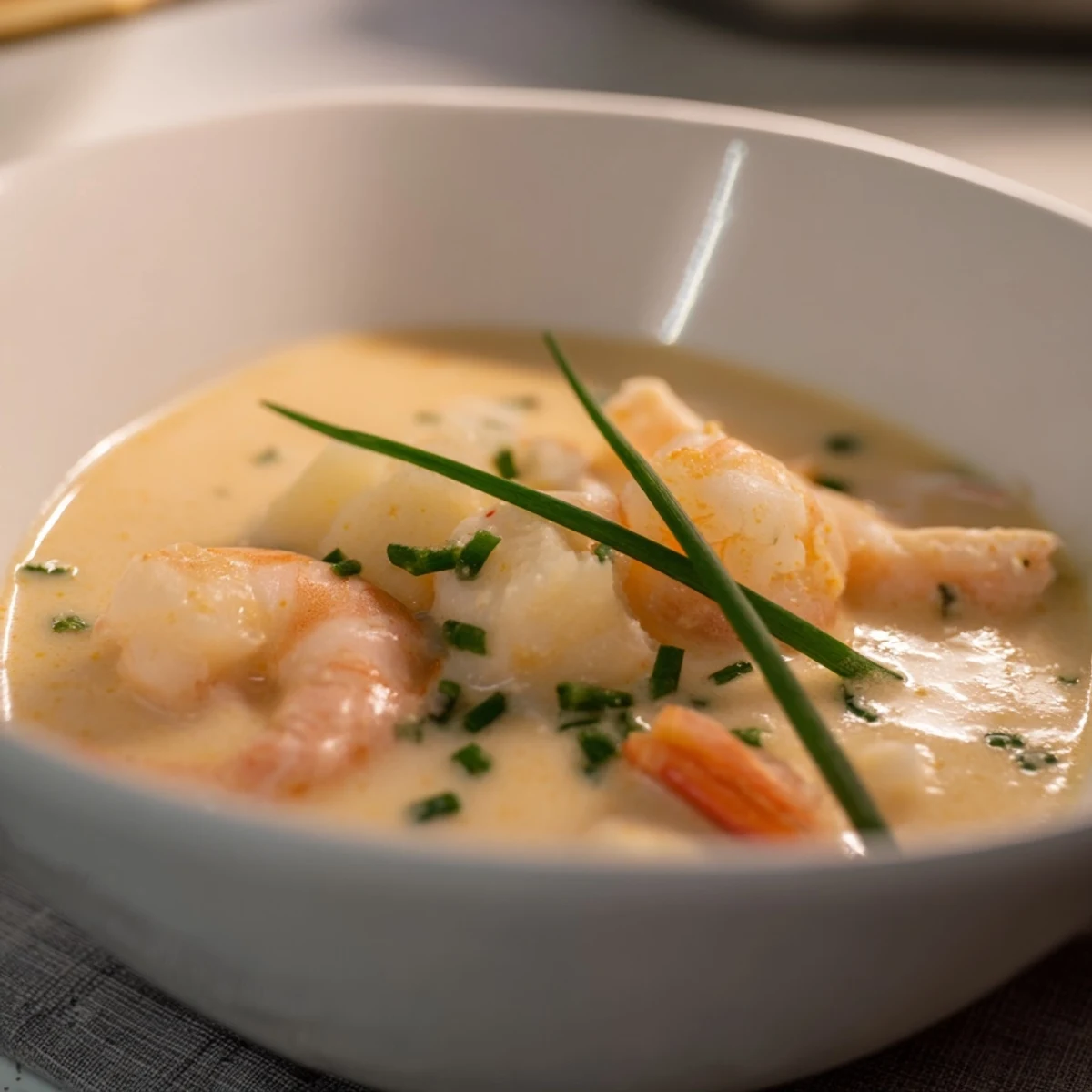
Save This luxurious French bisque combines tender shrimp, sweet scallops, and delicate lump crab meat in a silky, aromatic broth. The base is built with classic mirepoix vegetables sautéed in butter and olive oil, then enhanced with tomato paste, white wine, and fragrant spices. After simmering to develop depth, the soup is blended until velvety smooth and finished with heavy cream for that signature creamy texture. The final touch brings all the seafood back into the pot with a splash of fresh lemon juice, creating an elegant first course perfect for dinner parties or special occasions. Serve with crusty French bread and enjoy the restaurant-quality results in your own kitchen.
The steam rising from my first properly made bisque still lingers in my memory. I had attempted restaurant style seafood soups before, but they always turned out thin or overwhelmingly fishy. This version finally taught me what a French bisque should actually taste like. The secret turned out to be patience with the aromatics and not rushing the cream reduction.
I served this at a small dinner party last winter, watching my friends go quiet after their first spoonful. The way the shrimp sweetness balances with the slight heat from cayenne creates this moment where everyone just looks at each other. One guest asked for the recipe before she even finished her bowl. That quiet appreciation told me I had finally gotten it right.
Ingredients
- 200 g shrimp, peeled and deveined: Fresh shrimp brings natural sweetness that forms the foundation of the soup flavor
- 150 g scallops: These add delicate texture and a buttery richness that complements the cream base
- 150 g lump crab meat: Choose fresh crab over canned for superior texture and cleaner taste
- 1 small onion, finely chopped: The foundation of your flavor base, so chop it small for even cooking
- 1 stalk celery, finely chopped: Provides subtle aromatic backbone without overpowering seafood notes
- 1 small carrot, finely chopped: Adds natural sweetness and beautiful color to the finished bisque
- 2 garlic cloves, minced: Mince these finely so they melt into the base without creating harsh bites
- 60 ml dry white wine: Use something you would actually drink, like a crisp Sauvignon Blanc
- 1 liter seafood or fish stock: Homemade stock yields exceptional results, but high quality store bought works
- 120 ml heavy cream: Do not substitute half and half, the bisque needs the fat content for proper texture
- 1 tbsp tomato paste: Deepens the color and adds subtle richness without making it taste like tomato soup
- 2 tbsp butter: Use unsalted butter so you can control the seasoning level
- 2 tbsp olive oil: Prevents the butter from burning while sautéing the aromatics
- 1 bay leaf: Remove it before pureeing for a smoother final texture
- 1/4 tsp cayenne pepper: Just enough heat to wake up the palate without overwhelming the delicate seafood
- 1 tsp paprika: Hungarian or Spanish paprika adds depth and beautiful color
- Salt and black pepper, to taste: Season gradually, as the seafood and stock both contribute salinity
- 1 tbsp fresh lemon juice: Added at the end to brighten all the rich flavors
- 1 tbsp fresh chives or parsley, finely chopped: Chives offer mild onion flavor that complements seafood perfectly
Instructions
- Build your flavor base:
- Melt butter with olive oil in a large saucepan over medium heat, then add onion, celery, carrot, and garlic. Sauté until soft and fragrant, about 4 to 5 minutes, stirring occasionally to prevent browning.
- Bloom the spices:
- Stir in tomato paste, cayenne, paprika, and bay leaf, cooking for another 2 minutes until the tomato paste darkens slightly and becomes fragrant.
- Deglaze the pan:
- Pour in white wine and simmer for 2 minutes, scraping up any brown bits from the bottom with your wooden spoon.
- Create the broth:
- Add seafood stock, bring to a gentle boil, then reduce heat and simmer uncovered for 15 minutes to develop depth.
- Cook the seafood:
- Add shrimp and scallops to the pot and cook until just opaque, about 3 to 4 minutes, then remove them and chop coarsely before setting aside.
- Puree the soup:
- Use a hand blender directly in the pot, or work in batches with a regular blender, until completely smooth.
- Finish with cream:
- Return soup to the pot, stir in heavy cream, lemon juice, and all chopped seafood, then simmer 5 minutes until heated through.
- Serve immediately:
- Ladle into warm bowls and garnish with fresh chives or parsley for a pop of color and mild onion flavor.
 Save
Save This recipe became my go to for anniversaries and birthday dinners after the first time I made it. Something about the ritual of ladling warm bisque into bowls feels like giving someone a hug. The way people linger over the last spoonful tells me it has become more than just dinner.
Making It Your Own
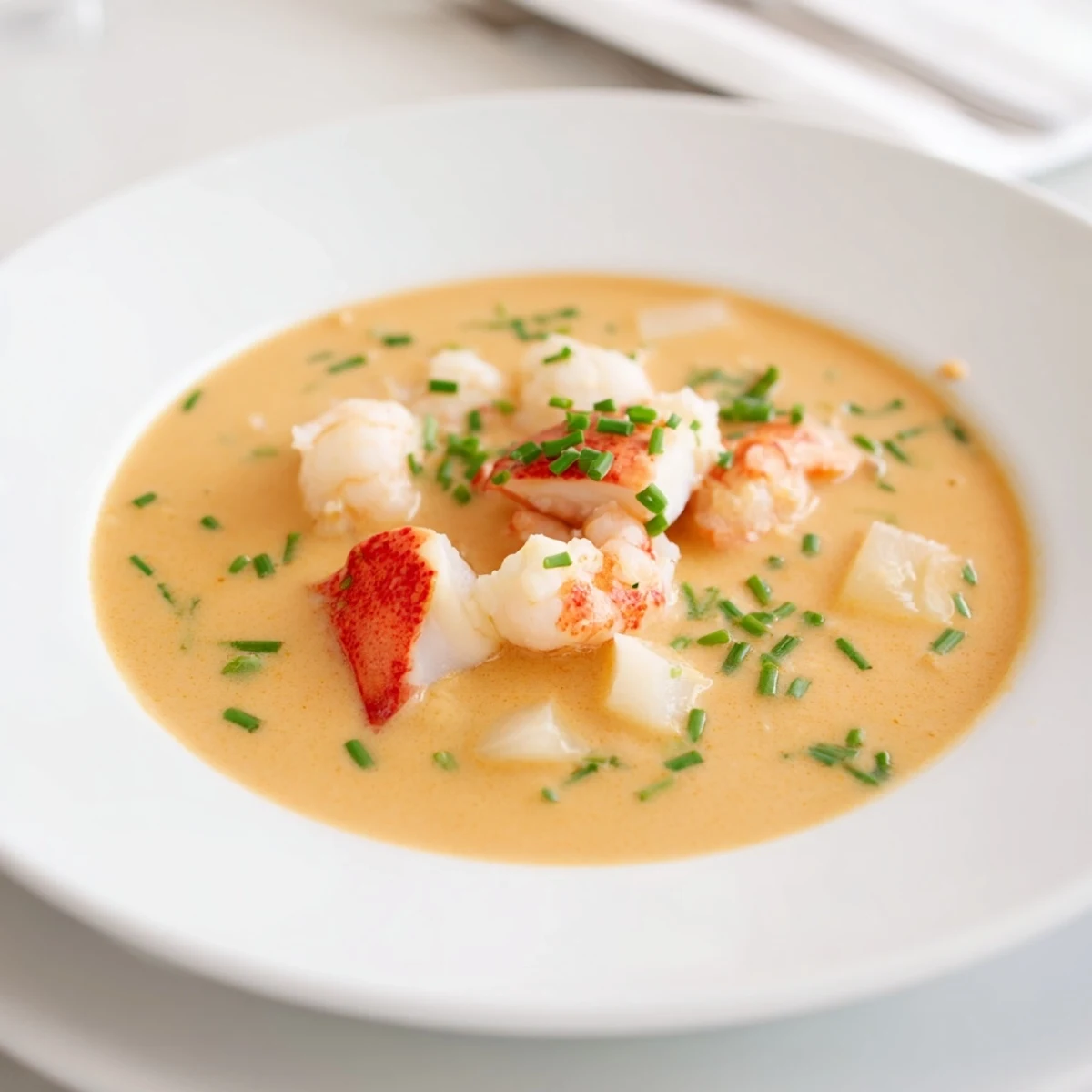
I have learned that bisque rewards flexibility based on what looks best at the fish counter. Sometimes lobster tail goes on sale, or maybe exceptional mussels catch my eye. The technique stays constant even when the seafood changes. Trust your instincts about what seems fresh and appealing.
Stock Secrets
Homemade seafood stock elevates this from good to extraordinary. Simmer shrimp shells, fish bones, and vegetable scraps for an hour, then strain thoroughly. The freezer stock works perfectly for this purpose. If using store bought, choose a reputable brand and avoid ones with overwhelming salt or artificial flavors.
Perfect Pairings
Crusty bread feels almost mandatory with bisque, something that can hold up to dipping and sopping. A chilled white wine cuts through the richness beautifully. I like setting out simple green salad dressed with vinaigrette to balance the meal.
- Warm baguette slices brushed with olive oil and lightly toasted
- A crisp Sauvignon Blanc or dry Chablis kept well chilled
- Simple arugula salad with lemon vinaigrette for brightness
 Save
Save Seafood bisque transforms an ordinary evening into something worth savoring. The quiet moments around the table, the warm spoons, the way conversation flows. That is what cooking is really about.
Recipe FAQs
- → What makes a bisque different from regular soup?
-
A bisque is a smooth, creamy French soup traditionally made with shellfish. The key differences are that bisques are always pureed until silky smooth, typically include cream for richness, and rely on a base of seafood stock made from shells. The term originally referred specifically to shellfish soups, though now sometimes describes other smooth cream soups as well.
- → Can I make this bisque ahead of time?
-
Yes, this bisque actually benefits from being made a day ahead. The flavors meld and develop beautifully overnight in the refrigerator. Store it in an airtight container and reheat gently over low heat, stirring occasionally. Add a splash more cream or stock when reheating if needed to adjust consistency.
- → What can I substitute for the heavy cream?
-
While heavy cream provides the most authentic rich texture, you can substitute half-and-half for a lighter version. For a dairy-free option, coconut cream works surprisingly well and adds a subtle sweetness that complements the seafood. Keep in mind that substitutions may slightly alter the traditional flavor profile.
- → How do I get the smoothest texture?
-
For the silkiest results, use an immersion blender directly in the pot, or puree in batches in a regular blender. For an even more refined texture, press the pureed soup through a fine-mesh sieve. This extra step removes any remaining fibers for an ultra-luxurious, velvety consistency worthy of fine dining.
- → What wine pairs best with seafood bisque?
-
A crisp Sauvignon Blanc is the classic pairing, as its bright acidity cuts through the rich cream while complementing the sweet seafood flavors. Chablis, Muscadet, or a dry Pinot Grigio also work beautifully. If you prefer red, choose a very light Pinot Noir with low tannins. Serve the wine well-chilled to contrast with the hot soup.
- → Can I use frozen seafood?
-
Frozen shrimp and scallops work perfectly fine in this bisque, especially if fresh seafood isn't available or budget-friendly. Thaw them completely in the refrigerator before using and pat dry to remove excess moisture. Avoid frozen crab meat if possible, as the texture can suffer, but in a pinch, it will still yield delicious results.