
 Save
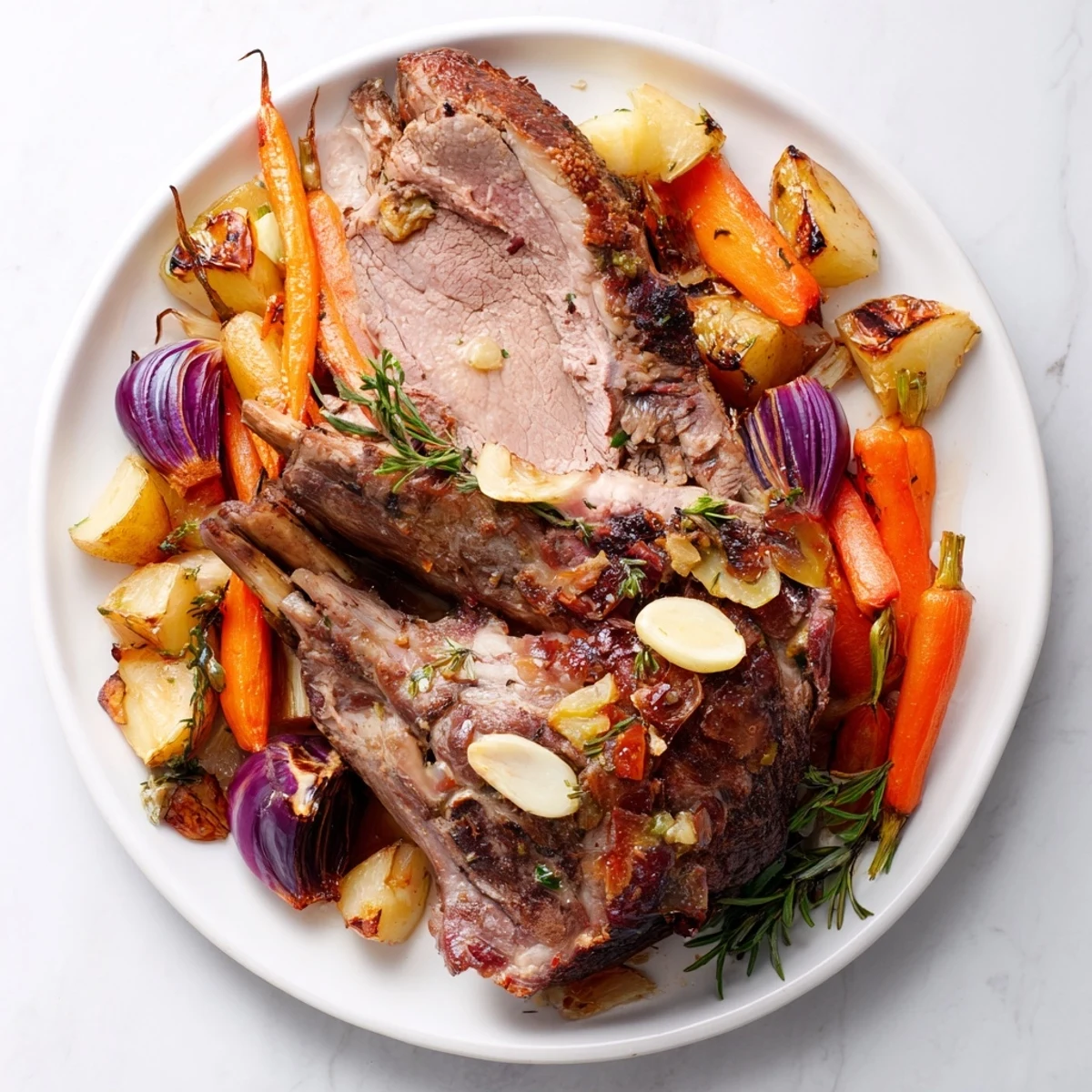
Save This dish showcases a bone-in leg of lamb infused with garlic, rosemary, and thyme, slow-roasted to tender perfection. Carrots, parsnips, potatoes, and red onions roast beneath, absorbing rich pan juices and caramelizing beautifully. The combination delivers a hearty, flavorful meal ideal for family gatherings or special occasions. Resting the meat before slicing ensures juicy results, while optional lemon zest and parsley add fresh, bright notes.
My grandmother always said the kitchen smells like Sunday morning when lamb is in the oven, and she was absolutely right. There is something so grounding about the way rosemary and garlic perfume the entire house, making everyone gravitate toward the kitchen hours before dinner is actually ready. I have learned over the years that a properly roasted leg of lamb is not just about following a recipe, but about trusting your senses and letting time do the work.
The first time I made this for my own family, I was terrified of overcooking the lamb. I checked the oven every ten minutes like an anxious parent, opening the door and losing heat each time. My husband finally caught me hovering and pointed out that the meat needs trust more than attention. Now I know that a good roast rewards patience, and that brief moment of worry when you pull it from the oven is completely normal.
Ingredients
- 1.8 kg bone-in leg of lamb: The bone adds incredible flavor and helps keep the meat moist during roasting
- 2 tablespoons olive oil: Creates a beautiful crust and helps the herbs adhere to the meat
- 4 garlic cloves, sliced: Insert these into small incisions so the garlic perfumes the meat from within
- 2 teaspoons fresh rosemary, chopped: Woody herbs hold up beautifully to long roasting times
- 2 teaspoons fresh thyme leaves: Earthy and aromatic, thyme pairs perfectly with lamb
- 1 teaspoon kosher salt: Essential for seasoning and creating that savory exterior
- 1/2 teaspoon black pepper: Freshly cracked adds the best warmth
- 4 large carrots, peeled and cut into chunks: These become naturally sweet as they roast
- 3 parsnips, peeled and cut into chunks: Their slight bitterness balances the sweet carrots
- 2 large potatoes, peeled and cut into chunks: They soak up all those flavorful pan juices
- 2 red onions, cut into wedges: Red onions mellow and caramelize beautifully
- 2 tablespoons olive oil: Coats the vegetables for even roasting
- 1 teaspoon kosher salt: Vegetables need proper seasoning too
- 1/2 teaspoon black pepper: Adds depth to the vegetable medley
- 120 ml dry white wine or chicken broth: Creates steam and adds depth to the pan juices
- 1 lemon, zested: Brightens everything right before serving
- Fresh parsley, chopped: Adds a fresh pop of color and flavor
Instructions
- Preheat your oven:
- Get it to 200°C so the lamb starts searing immediately
- Prepare the lamb:
- Pat the meat very dry with paper towels, then use a sharp knife to make small slits all over and tuck in those garlic slices
- Season generously:
- Rub the olive oil all over the lamb, then press the rosemary, thyme, salt, and pepper into the surface
- Prep the vegetables:
- Toss the carrots, parsnips, potatoes, and onions with olive oil, salt, and pepper until everything is evenly coated
- Arrange for roasting:
- Spread the vegetables in your roasting pan, then nestle the seasoned lamb right on top
- Add moisture:
- Pour the wine or broth into the bottom of the pan to create steam and those precious pan juices
- Roast to perfection:
- Cook for about 1 hour 30 minutes until the lamb reaches 60°C internally, giving those vegetables a stir halfway through
- Rest the meat:
- Tent the lamb loosely with foil and let it rest for 15 minutes so the juices redistribute
- Finish and serve:
- Toss the vegetables in those glorious pan juices, then carve the lamb and arrange everything on a platter with lemon zest and parsley
 Save
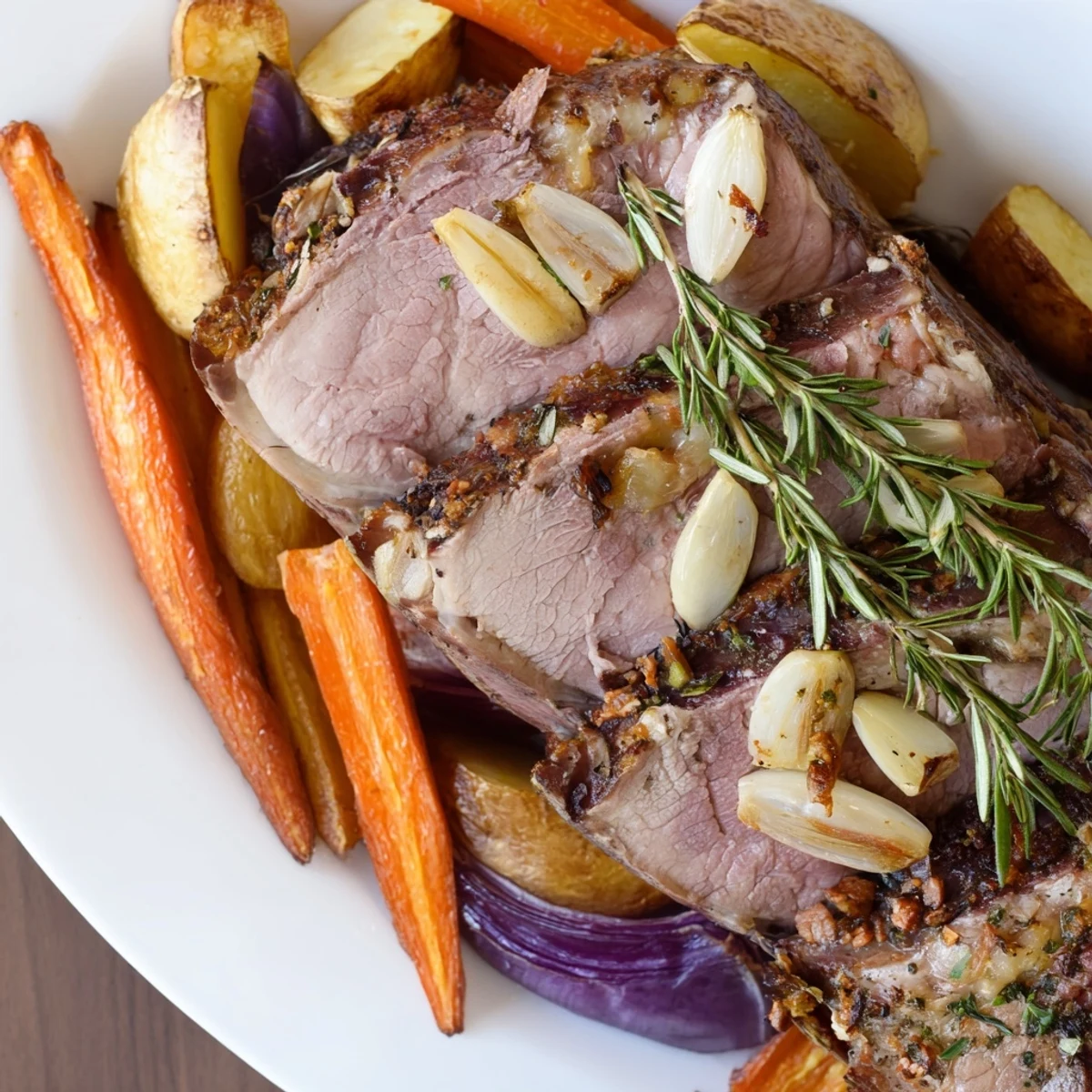
Save There is something deeply satisfying about placing a platter of roasted lamb and vegetables on the table and watching everyone lean in instinctively. The smell alone pulls people from different rooms, and suddenly the ordinary Tuesday night feeling transforms into something that feels like a celebration. Food has this quiet way of turning moments into memories without anyone even noticing it is happening.
Choosing Your Lamb
I have learned that bone-in lamb is worth every extra minute of carving time. The bone acts as a heat conductor, cooking the meat more evenly from the inside out while releasing collagen that keeps everything tender. A semi-boned leg is a nice compromise if you want easier carving without sacrificing too much flavor.
Vegetable Timing
Not all vegetables roast at the same speed, which is why I cut harder vegetables like carrots and parsnips slightly larger than the potatoes. The onions can be cut larger since they will shrink considerably as they caramelize. If you are adding quicker-cooking vegetables like bell peppers, toss them in during the last 30 minutes.
Making the Most of Pan Juices
Those browned bits and concentrated liquids at the bottom of the pan are liquid gold. While the lamb rests, place the roasting pan over medium heat and let the juices reduce slightly, scraping up all the caramelized pieces with a wooden spoon. This creates an instant sauce that needs nothing more than a quick splash of wine or broth.
- Skip the flour-thickened gravies and let the natural juices shine
- If the juices seem too concentrated, add a splash of water or broth
- Spoon those juices over the sliced lamb just before serving
 Save
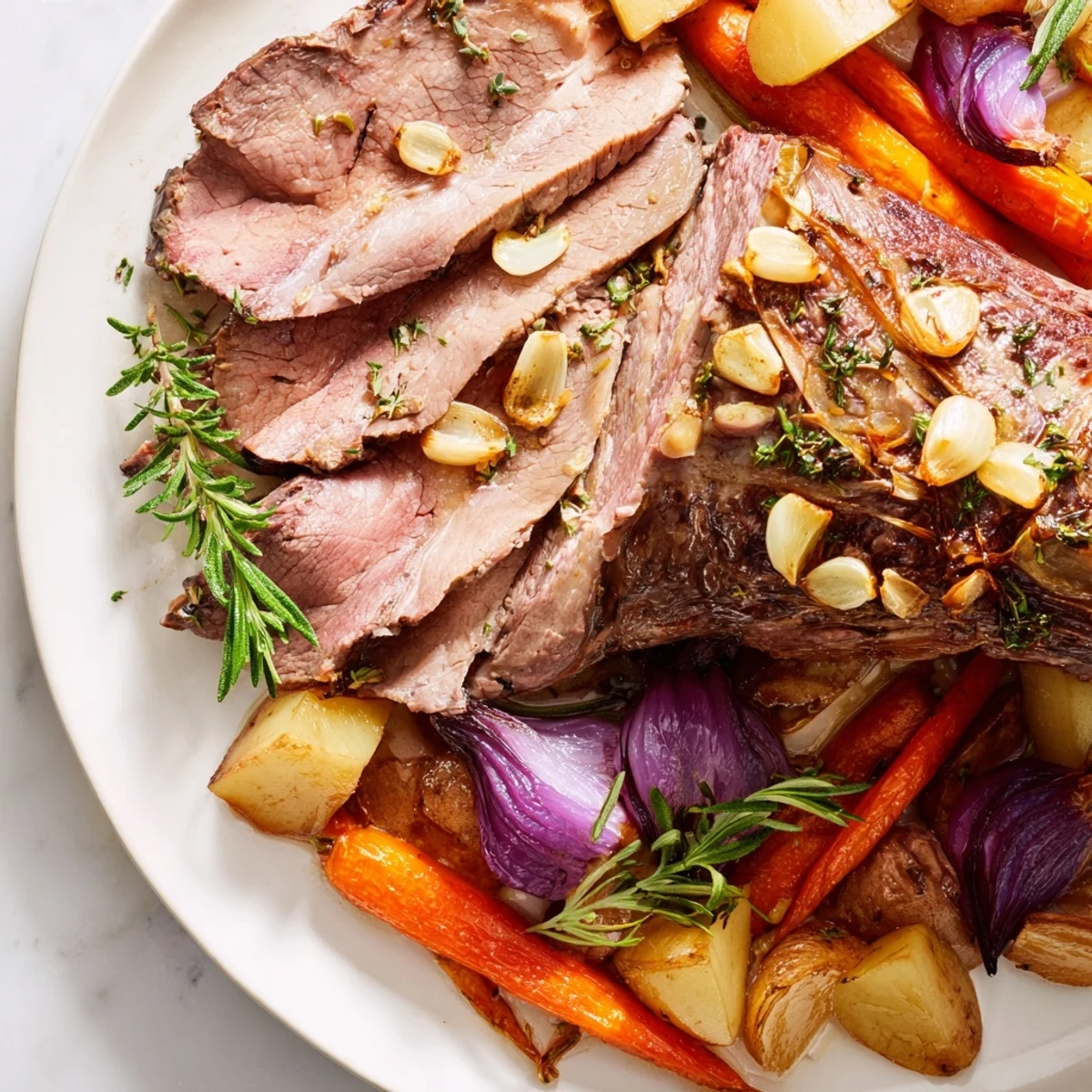
Save This is the kind of meal that makes people linger at the table long after the plates are empty, talking and laughing and reaching for just one more slice. Good food does that, it turns dinner into an event and strangers into friends.
Recipe FAQs
- → What herbs complement the lamb best?
-
Fresh rosemary and thyme create a fragrant and savory flavor profile that enhances the lamb's richness.
- → Can I substitute other vegetables?
-
Yes, sweet potatoes or turnips can replace root vegetables for a different texture and taste.
- → How do I ensure the lamb stays juicy?
-
Make small incisions to insert garlic, rub with oil and herbs, and let the lamb rest covered after roasting to retain moisture.
- → What is the recommended internal temperature for medium-rare?
-
Aim for an internal temperature of 60°C (140°F) to achieve medium-rare doneness.
- → How should the vegetables be prepared for roasting?
-
Cut carrots, parsnips, potatoes, and onions into chunks, toss with olive oil, salt, and pepper, then roast beneath the lamb for caramelization.
- → Is white wine necessary for roasting?
-
White wine or chicken broth adds moisture and depth of flavor, but you can choose either depending on preference.