
 Save
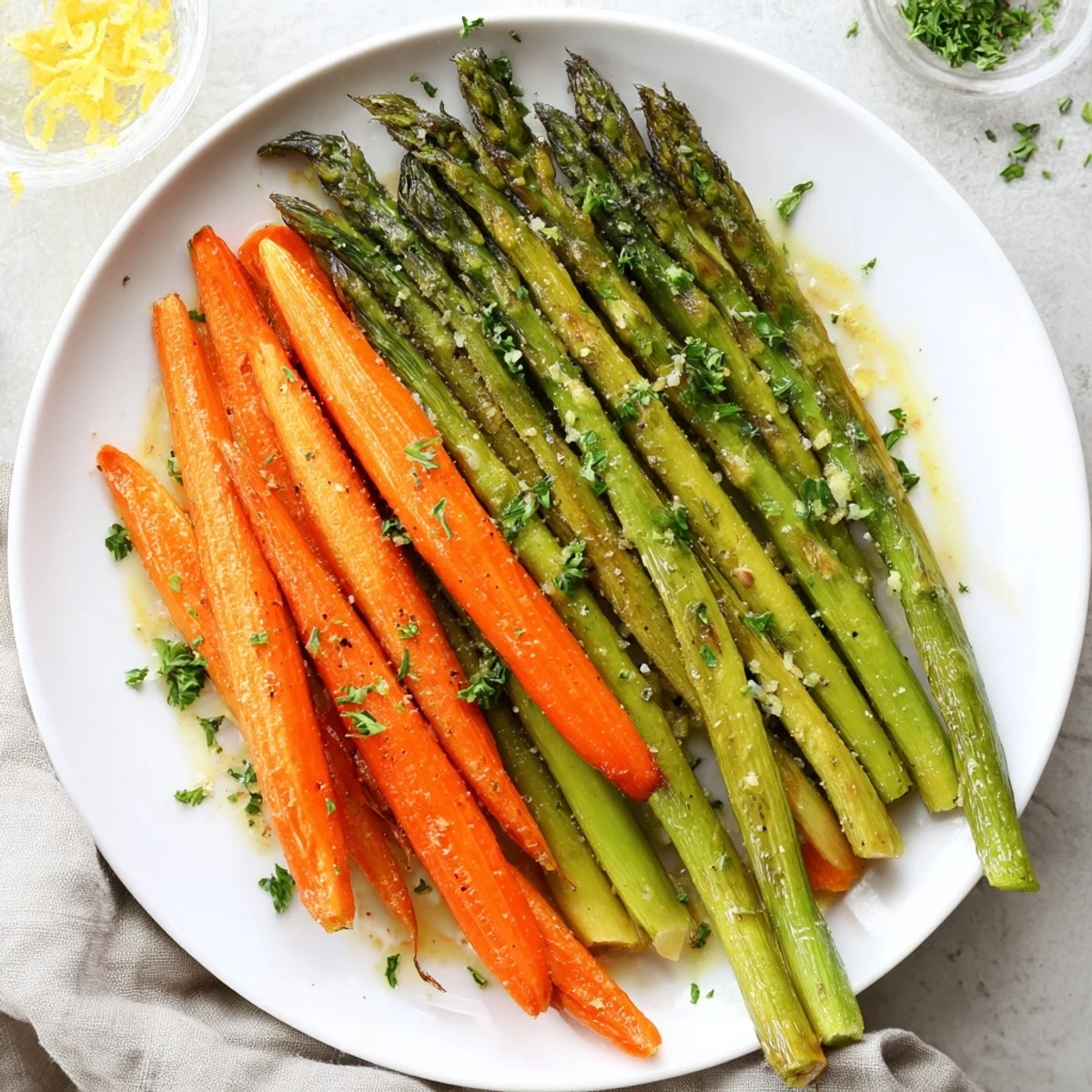
Save This simple roasting method brings out the natural sweetness in carrots while maintaining the tender crunch of asparagus. The high-heat roasting creates slightly caramelized edges that add depth to the vegetables' flavors. A light coating of olive oil, garlic powder, and dried thyme creates an aromatic crust that enhances without overpowering the fresh produce. The finishing touch of fresh parsley and lemon zest brightens the dish perfectly.
Last spring I stood in my kitchen staring at a particularly gorgeous bundle of asparagus I'd grabbed from the farmers market. The carrots were sweet and earthy from spending months in the ground. Something about combining their vibrant greens and oranges just felt right. That afternoon became the start of what's now my go-to side dish for literally everything.
I made this for my sister's birthday dinner last month and watched everyone actually get excited about vegetables. My nephew who normally pushes veggies to the edge of his plate went back for thirds. There is something magical about how roasting concentrates flavors and makes simple ingredients shine.
Ingredients
- 1 lb asparagus: Look for tight firm tips and avoid woody stems
- 3 large carrots: Cutting them into sticks helps them cook evenly with the asparagus
- 2 tbsp olive oil: This helps the seasonings stick and encourages beautiful caramelization
- 1 tsp sea salt: Enhances the natural sweetness of both vegetables
- ½ tsp black pepper: Freshly ground makes a noticeable difference
- 1 tsp garlic powder: Optional but adds a savory backbone
- 1 tsp dried thyme: Italian herbs work beautifully as an alternative
- Fresh parsley: Adds brightness and makes the dish look finished
- Lemon zest: The secret ingredient that makes everything pop
Instructions
- Heat your oven:
- Preheat to 425F and line a baking sheet with parchment paper for easy cleanup
- Prep the vegetables:
- Trim the woody ends from asparagus and peel carrots into two inch sticks
- Season everything:
- Drizzle with olive oil then toss with salt pepper garlic powder and thyme until coated
- Roast until tender:
- Cook for 22 to 25 minutes stirring halfway until vegetables are tender and edges are caramelized
- Finish and serve:
- Transfer to a platter and sprinkle with fresh parsley and lemon zest for brightness
 Save
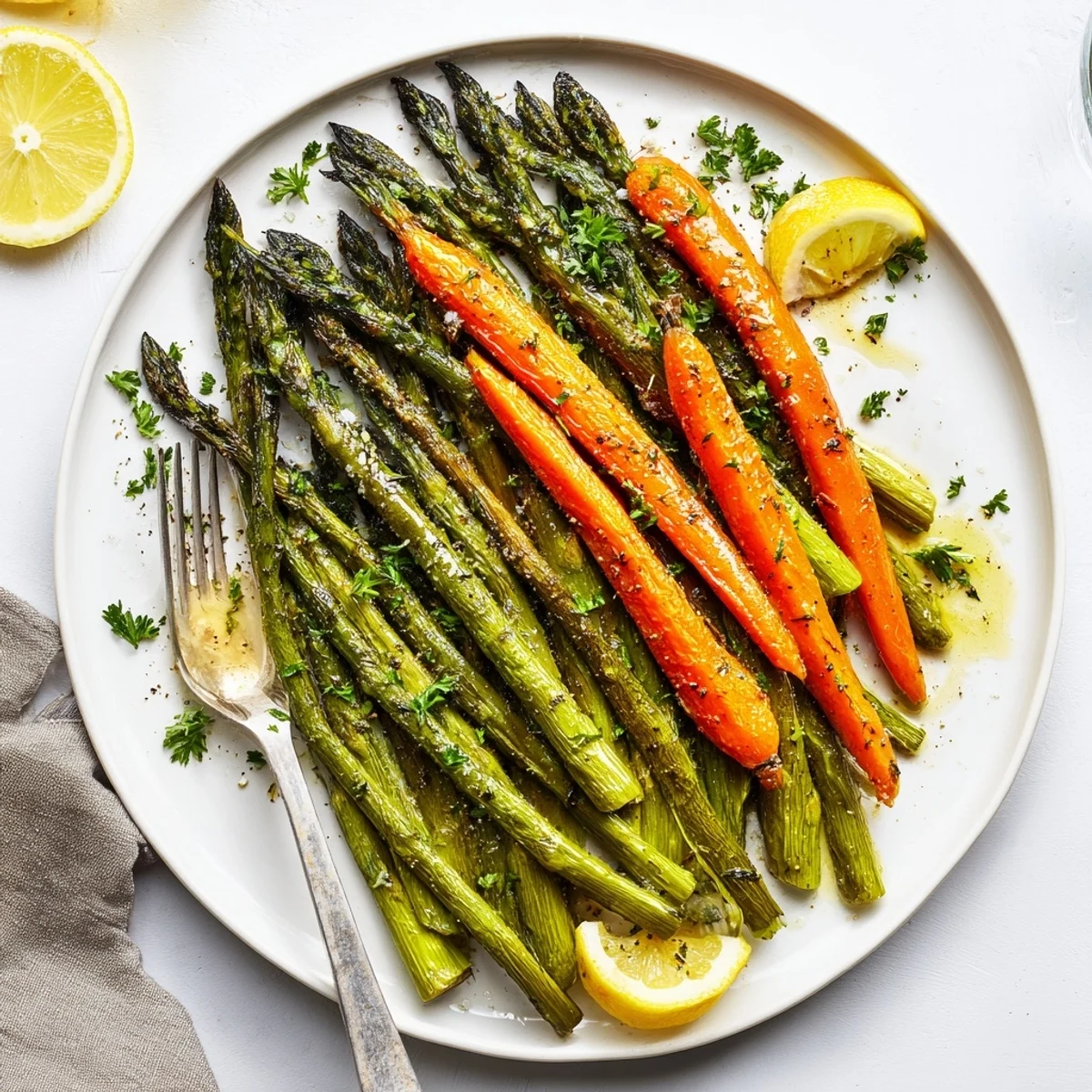
Save This recipe has become my contribution to holiday dinners and friend gatherings. People always ask for the recipe and seem surprised when I tell them how simple it is. Something about roasting vegetables just feels like a small act of kitchen magic.
Perfecting Your Roast
I have learned that giving vegetables space on the baking sheet is the difference between steamed and roasted. The hot air needs to circulate around each piece creating those caramelized edges that make roasting so special. Trust me when I say this one detail changes everything.
Seasoning Tips
Sometimes I add a splash of balsamic vinegar before roasting which creates a lovely subtle sweetness. The vinegar reduces in the heat and creates tiny sticky spots that are absolutely delicious. It has become my secret weapon for unexpected depth.
Serving Ideas
These roasted vegetables work beautifully alongside roasted chicken grilled fish or even as part of a grain bowl. The lemon zest at the end makes them bright enough to stand up to rich main dishes while still being substantial enough for simple weeknight meals.
- Try adding parsnips or sweet potatoes in the fall
- Serve warm or at room temperature for potlucks
- Double the recipe because they will disappear
 Save
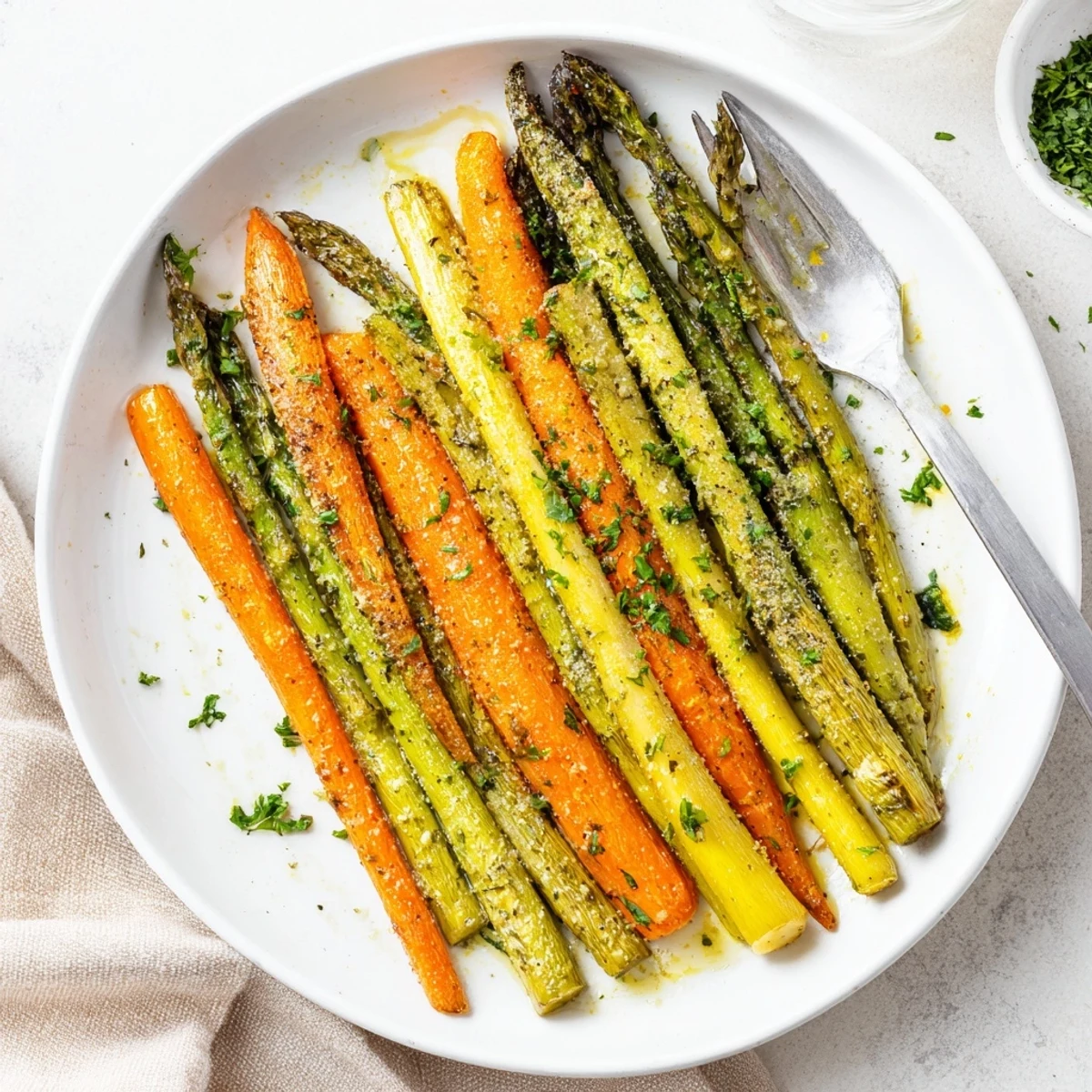
Save There is something deeply satisfying about turning simple vegetables into a dish people genuinely get excited about eating. Hope this becomes a regular in your kitchen too.
Recipe FAQs
- → What temperature works best for roasting these vegetables?
-
Roast at 425°F (220°C) for optimal caramelization. This high heat ensures tender interiors with beautifully browned edges in just 22-25 minutes.
- → Can I prepare these vegetables ahead of time?
-
Yes, trim and cut the vegetables several hours in advance. Store them in the refrigerator in an airtight container with a paper towel to absorb excess moisture.
- → How do I know when the vegetables are done?
-
The asparagus should be tender when pierced with a fork, and carrots should be easily pierced but not mushy. Look for lightly caramelized edges as your visual cue.
- → What other seasonings work well with this combination?
-
Fresh rosemary, dried oregano, or smoked paprika add lovely variations. A splash of balsamic vinegar before roasting creates a sweet-tangy glaze.
- → Can I use frozen vegetables instead of fresh?
-
Frozen asparagus and carrots can be used, though fresh yields better texture. Thaw completely and pat very dry before tossing with oil and seasonings to prevent steaming.