
 Save
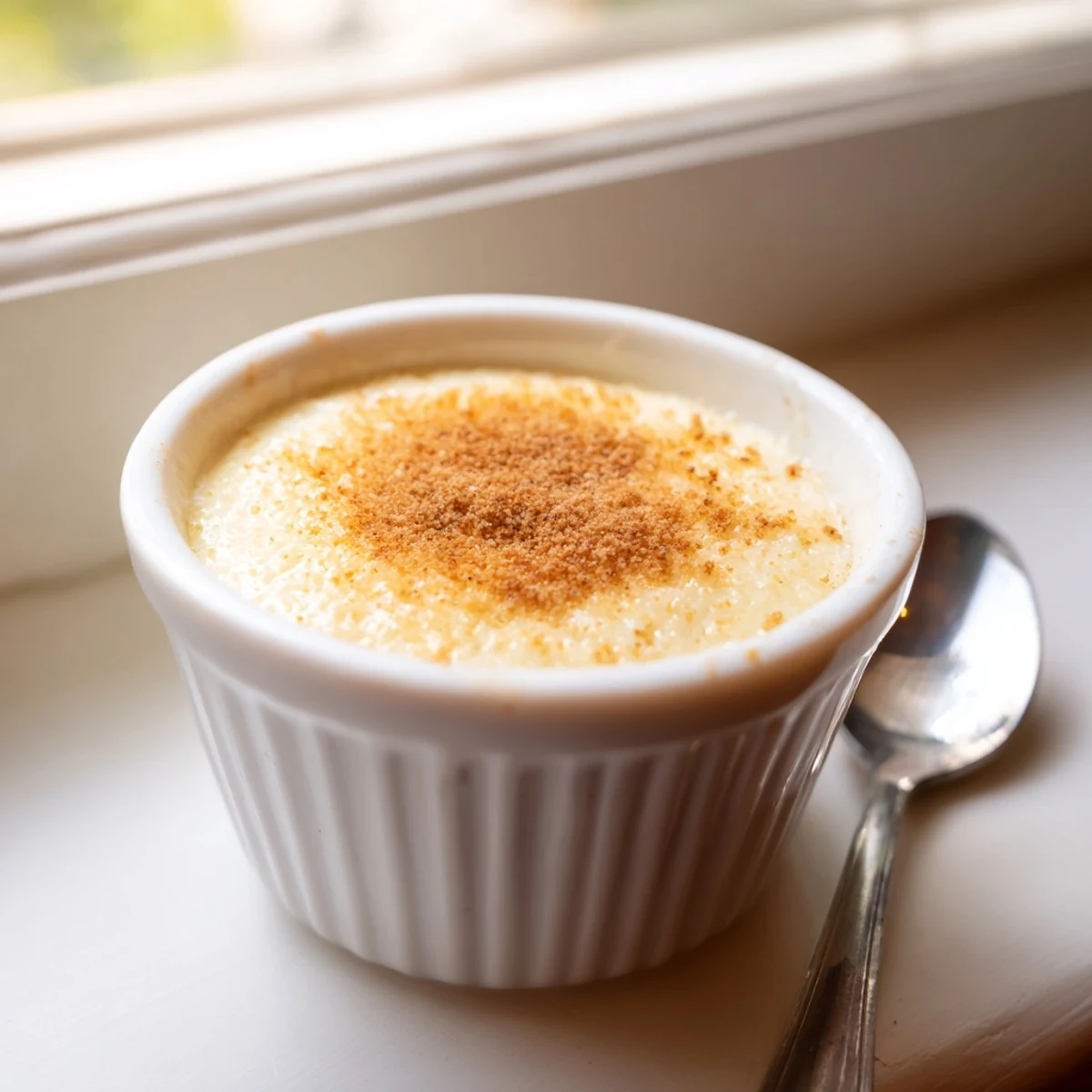
Save This beloved Portuguese dessert transforms simple short-grain rice into an extraordinary creamy treat. The rice slowly simmers in whole milk and heavy cream with aromatic lemon peel and cinnamon, absorbing the dairy until it becomes luxuriously tender and the mixture naturally thickens. Whisked egg yolks are carefully tempered and incorporated, creating an exceptionally smooth custard base enhanced with vanilla and butter. The crowning glory comes from a generous dusting of cinnamon-sugar that forms a delicate caramelized crust on top. Each spoonful delivers the perfect balance of silky textures—soft rice grains suspended in velvety custard—while the warm cinnamon and subtle citrus brightness create layers of comforting flavor. Best enjoyed slightly warm or thoroughly chilled, this classic Portuguese sweet pairs beautifully with dessert wine or port.
The first time I had Portuguese Rice Custard was at a tiny family-run restaurant in Lisbon, where the owner served it warm from a terracotta dish that had clearly seen decades of use. The cinnamon-sugar crust glistened under the soft amber light, and one spoonful revealed that impossibly creamy texture that makes you understand why some desserts become cultural treasures. I've been making it ever since, tweaking the method until I could recreate that same silken comfort in my own kitchen.
Last winter, I made a double batch for a dinner party when the temperature had dropped below freezing. My friends stood around the kitchen island, watching the cinnamon sugar bubble and caramelize under the broiler, and suddenly nobody cared about the main course anymore. Now it's become my go-to whenever I need to turn a regular evening into something that feels like a celebration.
Ingredients
- 1 cup short-grain rice: This variety releases starch as it cooks, creating that natural creamy texture without needing constant stirring
- 4 cups whole milk: I've tried lower-fat versions and they just don't give you that luxurious mouthfeel
- 1 cup heavy cream: This is what transforms it from everyday rice pudding into something dessert-worthy
- 1 cup granulated sugar: The sweetness needs to balance the richness without becoming cloying
- 2 tablespoons unsalted butter: Adds that final velvety finish that makes everything taste expensive
- 1 lemon peel: Use a vegetable peeler to get large strips, and absolutely avoid the white pith which makes everything bitter
- 1 cinnamon stick: Whole cinnamon infuses more subtly than ground, which can leave grainy spots
- 1 teaspoon vanilla extract: Add this at the end so the flavor doesn't cook off completely
- ¼ teaspoon salt: Just enough to make all the other flavors pop without tasting salty
- 4 large egg yolks: Room temperature yolks incorporate more smoothly and won't scramble as easily
- 2 tablespoons granulated sugar: For that signature cinnamon-sugar crust on top
- 1 teaspoon ground cinnamon: Combine this with the sugar before sprinkling, it distributes more evenly
Instructions
- Simmer the rice base:
- Combine the rice, milk, cream, lemon peel, cinnamon stick, and salt in your saucepan. Bring it to a gentle bubble over medium heat, then drop the temperature to low and let it cook for 25 to 30 minutes. You'll know it's ready when the rice is completely tender and the mixture has thickened enough to coat the back of your spoon.
- Infuse with flavor:
- Fish out the lemon peel and cinnamon stick, then stir in the sugar, butter, and vanilla. Let everything cook together for just 2 or 3 minutes until the sugar dissolves completely. The kitchen should smell absolutely incredible right about now.
- Temper the egg yolks:
- Whisk your yolks in a separate bowl until they're smooth and pale. Gradually add a few spoonfuls of the hot rice mixture, whisking constantly as you pour. This step prevents the eggs from scrambling when they hit the heat.
- Create the custard:
- Pour the tempered yolks back into the saucepan and cook gently over low heat. Stir constantly for 2 to 3 minutes until the mixture thickens slightly. Whatever you do, don't let it boil or you'll end up with sweet scrambled eggs.
- Finish and serve:
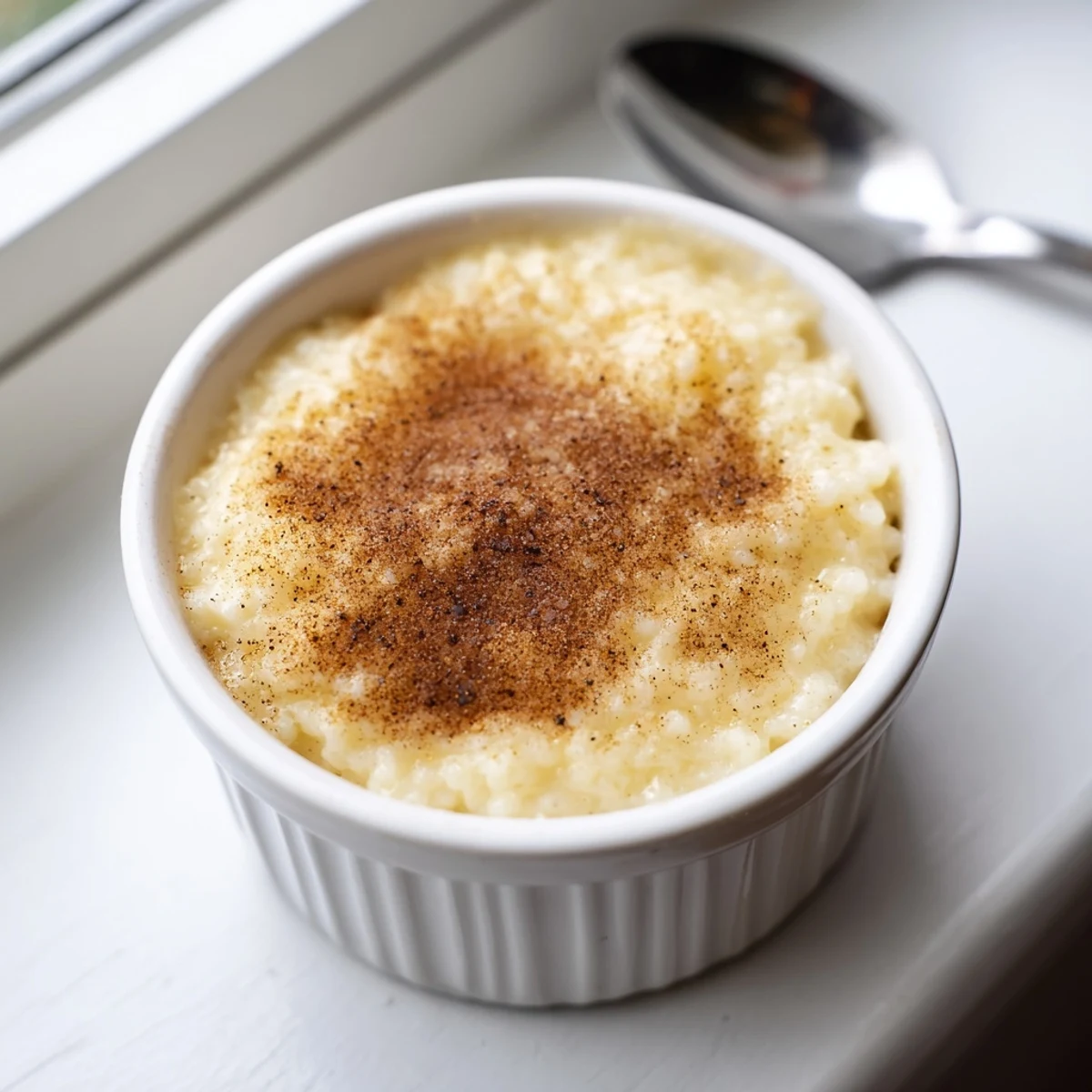
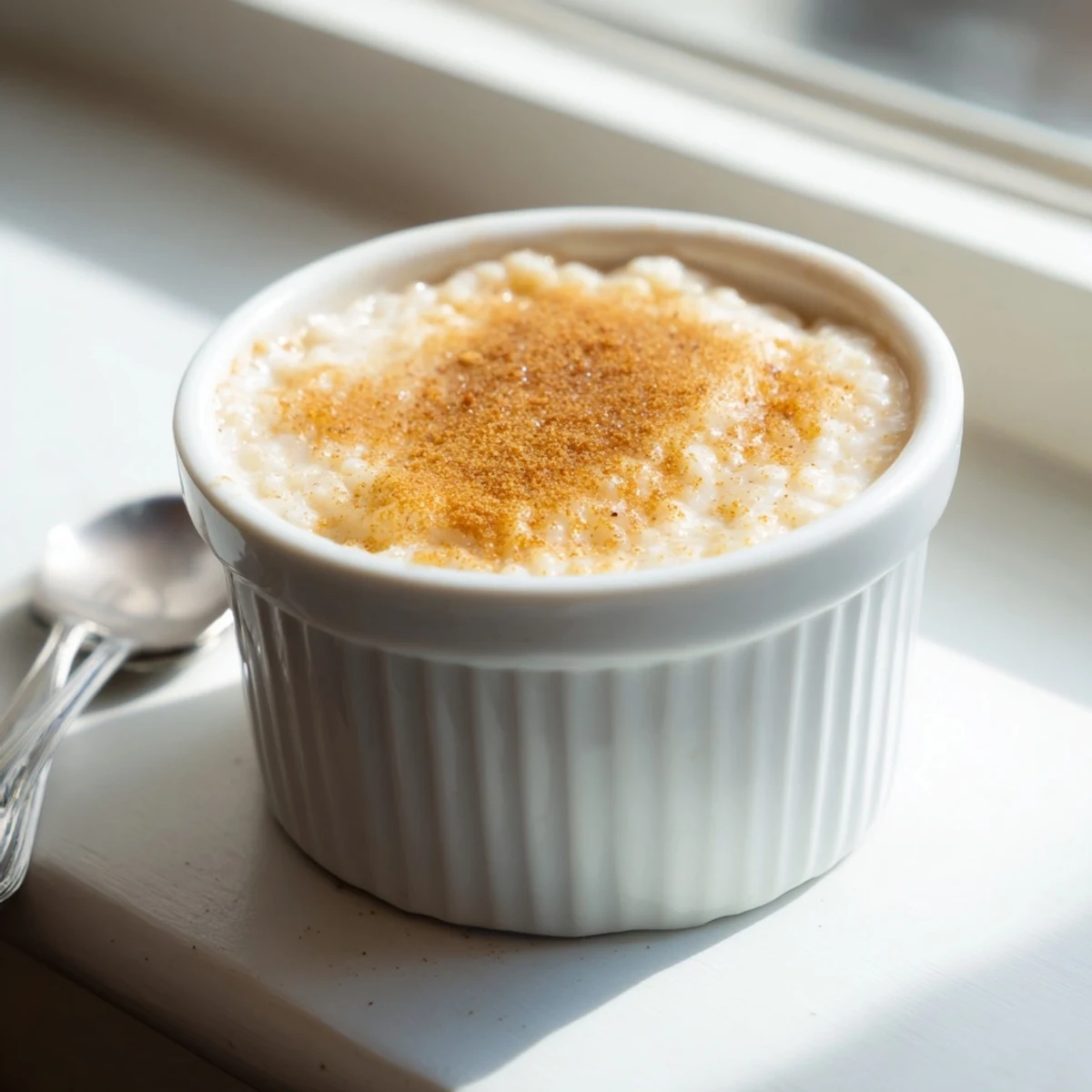
- Pour the custard into individual ramekins or one large serving dish. Mix the remaining sugar with the cinnamon and sprinkle it generously over the top. Let it cool to room temperature, then serve it warm or chilled depending on your mood.
 Save
Save My grandmother started requesting this for her birthday instead of cake after I first made it for Sunday dinner. There's something about the combination of warm spices and creamy comfort that feels like it's been passed down through generations, even though I learned it from a stranger in a foreign country.
Making It Your Own
I've discovered that orange peel works beautifully alongside or instead of lemon, especially during winter when citrus is at its peak. A splash of port or sweet wine in the custard base adds this sophisticated depth that nobody can quite identify but everyone notices.
Getting The Texture Right
The difference between good rice custard and great rice custard comes down to patience during that initial simmer. Rushing this step means the rice won't release enough starch, and you'll end up with something that feels more like watery porridge than the luxurious pudding you're aiming for.
Serving Suggestions That Actually Work
While this custard is absolutely perfect on its own, I've learned that a few thoughtful accompaniments can turn it into a proper dinner party finale. The key is choosing things that complement rather than compete with the subtle flavors.
- Fresh berries add tartness and color contrast against the pale custard
- A small glass of port creates this incredibly sophisticated ending to any meal
- Toasted almond slices sprinkled over the top add welcome texture and crunch
 Save
Save Whether you're serving it to impress guests or just treating yourself on a quiet Tuesday night, this rice custard has a way of making any evening feel special.
Recipe FAQs
- → What type of rice works best for this custard?
-
Short-grain rice is ideal because its high starch content creates a naturally creamy texture as it cooks. Arborio or Valencia rice work beautifully, absorbing the milk while maintaining a tender bite that complements the smooth custard base.
- → Why temper the egg yolks before adding them?
-
Tempering prevents the eggs from scrambling when they hit the hot mixture. By gradually whisking warm custard into the yolks, you gently raise their temperature so they incorporate smoothly and thicken the dessert without creating cooked egg bits.
- → Can I make this dairy-free?
-
Yes, substitute whole milk with full-fat coconut milk or almond milk, and replace heavy cream with coconut cream. The texture will remain creamy, though the flavor profile will shift slightly with coconut notes. Use plant-based butter and skip the egg yolks or use a cornstarch slurry for thickening.
- → How far ahead can I prepare this custard?
-
The custard develops even better flavor when made 1-2 days ahead. Store in the refrigerator tightly covered. Add the cinnamon-sugar topping just before serving to maintain its crisp texture. Bring to room temperature for 20 minutes before enjoying.
- → Why does my custard sometimes turn out grainy?
-
Grainy texture typically comes from overcooking the eggs or boiling the mixture after they're added. Keep the heat very low during the final cooking stage, stirring constantly, and remove from heat as soon as you notice slight thickening. This preserves the silky smooth consistency.
- → What's the purpose of the lemon peel during cooking?
-
The lemon peel infuses the milk and rice with subtle citrus brightness that balances the rich dairy and sweetness. Remove the peel before adding eggs to prevent any bitter flavor from the pith, but the aromatic oils remain behind, adding depth without making the dessert taste explicitly lemony.