
 Save
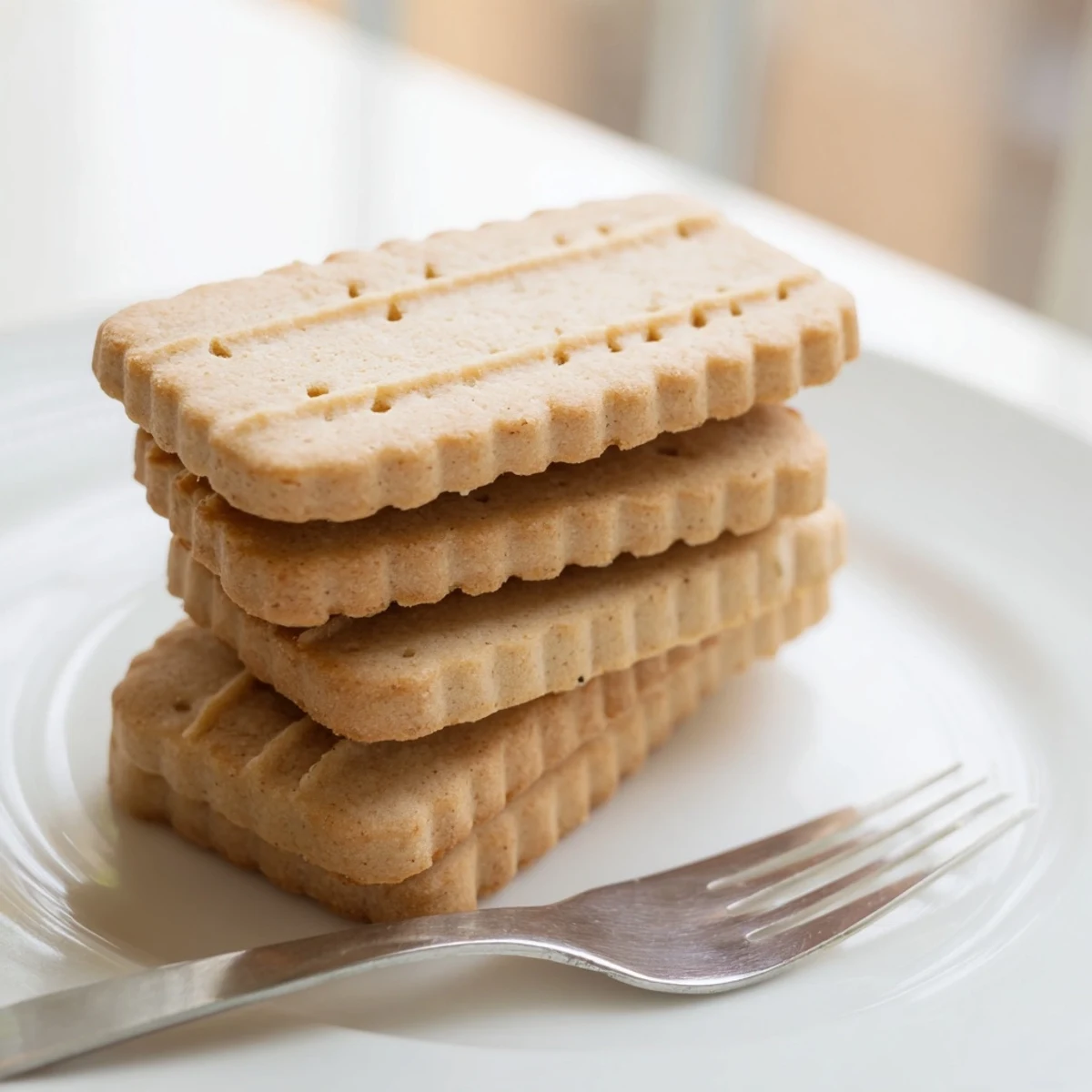
Save Le petit beurre est un biscuit français emblématique, reconnaissable à sa forme rectangulaire cannelée et ses légères piqûres à la fourchette.
Préparé avec des ingrédients simples — farine, beurre doux, sucre et une touche de vanille — il offre une texture croustillante et un goût délicatement beurré.
La pâte nécessite un repos d'une heure au réfrigérateur avant d'être étalée finement et découpée. Une cuisson de 12 minutes à 180°C suffit pour obtenir une belle coloration dorée.
Ces biscuits se conservent parfaitement une à deux semaines dans une boîte hermétique, ce qui en fait un biscuit idéal à préparer à l'avance pour vos goûters et pauses café.
The afternoon I burned through three batches of petit beurre trying to nail that perfect snap, my grandmother watched from her kitchen chair and laughed softly before telling me the dough needed patience, not enthusiasm. She was right, as she always was about butter and timing. These little golden rectangles, with their scalloped edges and fork pricked faces, are the quiet workhorses of French biscuit tins, unassuming yet impossible to stop eating once you start.
I packed a tin of these for a train ride from Nantes to Paris once, thinking they would last the whole week. They vanished before Lyon, shared with a stranger in my compartment who told me they tasted exactly like the ones her school canteen used to hand out on Fridays.
Ingredients
- 200 g all purpose flour: The backbone of the biscuit and plain flour gives you that clean, crisp finish without any heavy chew.
- 100 g granulated sugar: Not too sweet, just enough to let the vanilla shine through without masking the butter.
- 100 g unsalted butter: Good quality butter makes all the difference here since there are so few ingredients to hide behind.
- 50 ml whole milk: Whole milk binds the dough gently and adds a subtle richness that water simply cannot replicate.
- 5 g baking powder (half a packet): A small lift keeps them from turning into hard little tiles.
- 1 pinch of salt: Salt sharpens every flavor in the dough and without it the biscuits taste oddly flat.
- 1 vanilla bean (or 1 packet vanilla sugar): Scraped seeds give those tiny dark flecks that signal something handmade and honest.
Instructions
- Melt and marry the wet ingredients:
- Gently warm the butter with the milk in a saucepan over low heat, then stir in the sugar and vanilla until everything dissolves into a golden pool that smells like warm custard.
- Cool before combining:
- Let the mixture cool until it is just warm to the touch, then pour it into a large mixing bowl so the flour does not cook on contact.
- Bring the dough together:
- Add the flour, baking powder, and salt all at once, then mix with a wooden spoon until you have a smooth, cohesive dough that pulls cleanly away from the sides.
- Rest the dough:
- Shape the dough into a ball, wrap it tightly in cling film, and tuck it into the fridge for a full hour so it firms up enough to roll without sticking.
- Preheat the oven:
- Set your oven to 180 degrees Celsius with conventional heat and line a baking sheet with parchment paper while you wait.
- Roll and cut:
- Flour your work surface lightly and roll the dough to an even 3 to 4 millimetre thickness, then cut out rectangles with a fluted cutter for that classic petit beurre silhouette.
- Prick and bake:
- Arrange the biscuits on the prepared tray and prick each one a few times with a fork, then bake for 12 minutes until the edges turn a warm golden brown.
- Cool completely:
- Transfer the biscuits to a wire rack and resist the urge to eat them warm, because they crisp up beautifully as they cool and that crunch is what you are after.
 Save
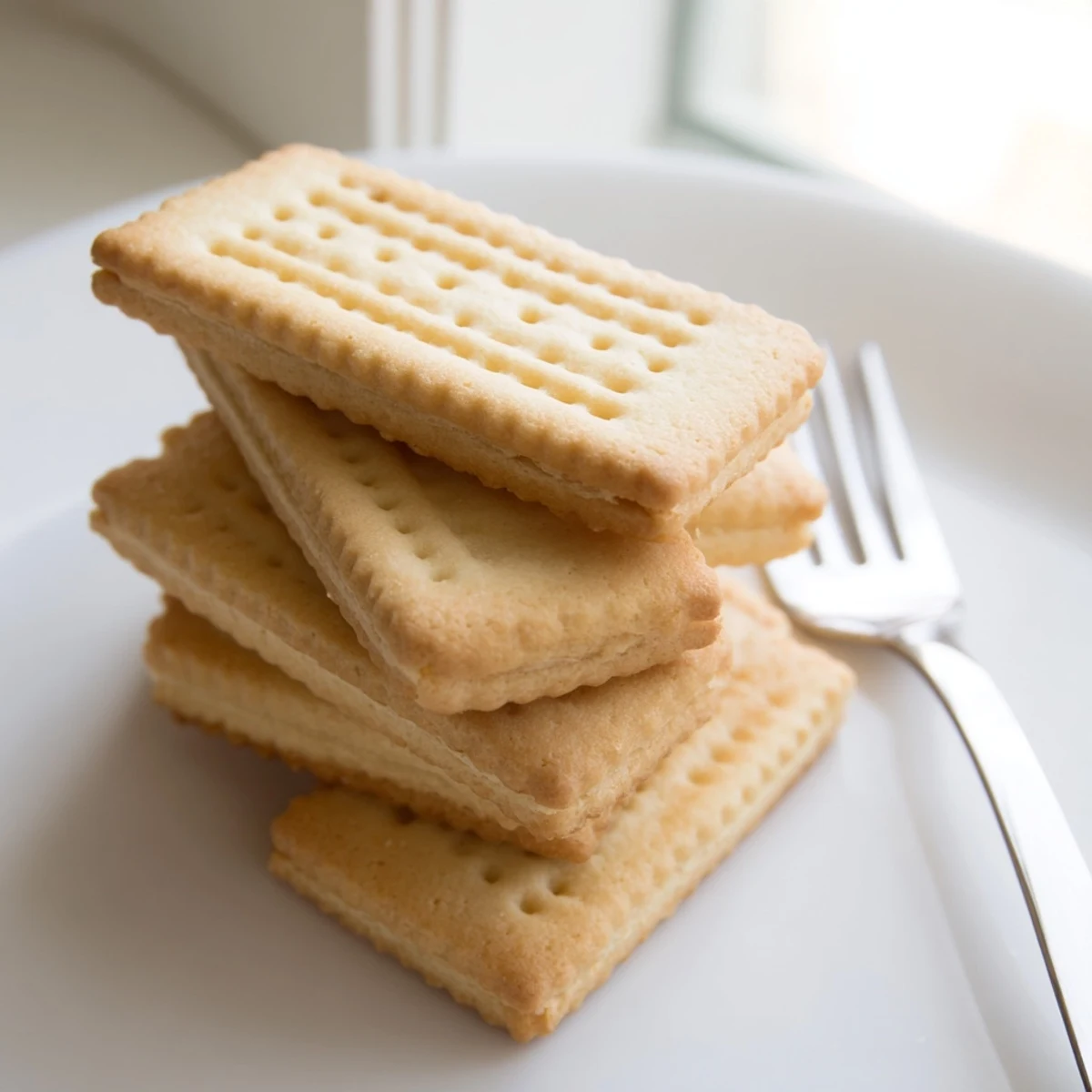
Save The real magic of petit beurre is how they turn an ordinary Tuesday afternoon into something that feels gently celebratory, a small ritual of dunking and nibbling that asks nothing of you but a quiet moment.
Playing with Flavors
A tablespoon of lemon zest folded into the dough brightens everything and turns the biscuit into something that tastes unmistakably like spring, even in November. For something more indulgent, dip half of each cooled biscuit in melted dark chocolate and let them set on parchment paper until the shell hardens into a satisfying snap.
Storage That Actually Works
An airtight tin is the only storage method worth mentioning, because plastic bags make them soft and the fridge introduces moisture that steals the crunch. Layer them between sheets of parchment inside the tin if you need to stack them, and they will stay crisp for a solid two weeks, though they rarely last that long.
What to Expect as a Beginner
Your first batch might have a few thick ones and a few thin ones, and the thick ones will be softer while the thin ones will be snappier, and honestly both are wonderful. The dough is forgiving and re rolls beautifully, so gather the scraps and cut again without worrying about tough spots.
- If your cutter is plain edged instead of fluted, that is perfectly fine and the taste will not suffer one bit.
- A ruler helps if you want uniform rectangles, but freehand cutting gives them a charmingly rustic look.
- Always let the butter mixture cool before adding flour or you will end up with a greasy, unmanageable mess.
 Save
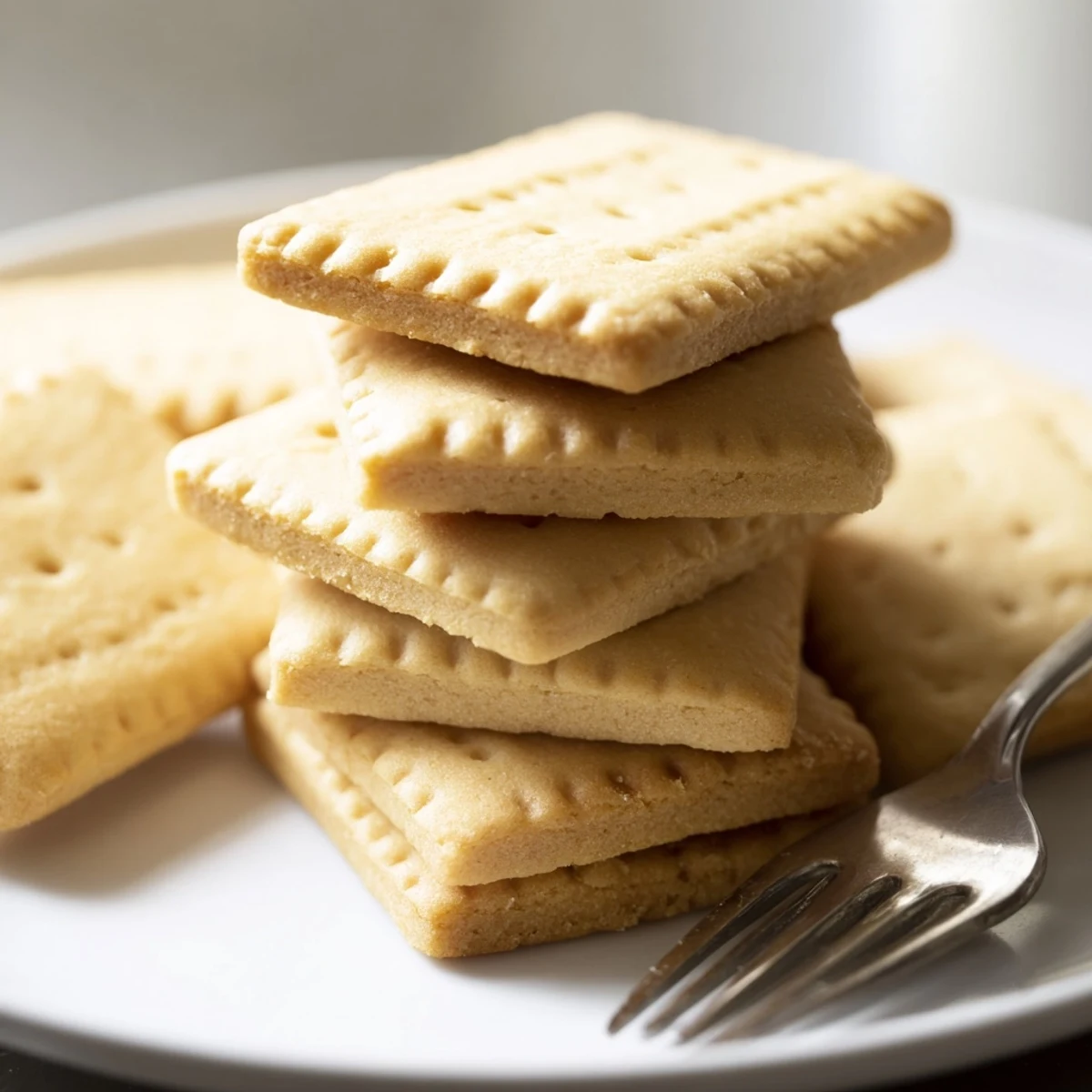
Save Keep a tin ready on the counter and you will always be ten minutes away from making someone feel warmly welcomed in your kitchen.
Recipe FAQs
- → Pourquoi faut-il laisser reposer la pâte au réfrigérateur ?
-
Le repos d'une heure au frais permet au beurre de se figer, ce qui rend la pâte plus facile à étaler et à découper. Il permet aussi aux saveurs de se développer et évite que les biscuits ne s'étalent à la cuisson.
- → Peut-on utiliser du beurre salé à la place du beurre doux ?
-
Oui, vous pouvez tout à fait utiliser du beurre demi-sel ou salé, cela donnera un contraste intéressant entre le sucré et le salé. Pensez simplement à réduire ou supprimer la pincée de sel indiquée dans les ingrédients.
- → Comment obtenir la forme traditionnelle du petit beurre ?
-
Utilisez un emporte-pièce rectangulaire cannelé, qui reproduit les bords dentelés caractéristiques du petit beurre. À défaut, un simple emporte-pièce rectangulaire ou un couteau fera l'affaire pour des biscuits plus rustiques.
- → Pourquoi piquer les biscuits avec une fourchette ?
-
Les piqûres à la fourchette permettent à la vapeur de s'échapper pendant la cuisson, évitant ainsi que les biscuits ne gonflent ou ne se déforment. C'est aussi ce qui donne au petit beurre son aspect traditionnel et reconnaissable.
- → Comment conserver les petits beurre pour qu'ils restent croustillants ?
-
Placez-les dans une boîte hermétique à température ambiante, loin de l'humidité. Ils se conservent ainsi une à deux semaines en gardant leur croquant. Évitez de les stocker au réfrigérateur, l'humidité les ramollirait.
- → Peut-on aromatiser la pâte différemment ?
-
Absolument. Vous pouvez ajouter une cuillère à soupe de zestes de citron ou d'orange pour une touche agrumée, remplacer la vanille par de la cannelle ou de l'anis étoilé, ou encore parfumer la pâte avec un peu d'extrait d'amande.