
 Save
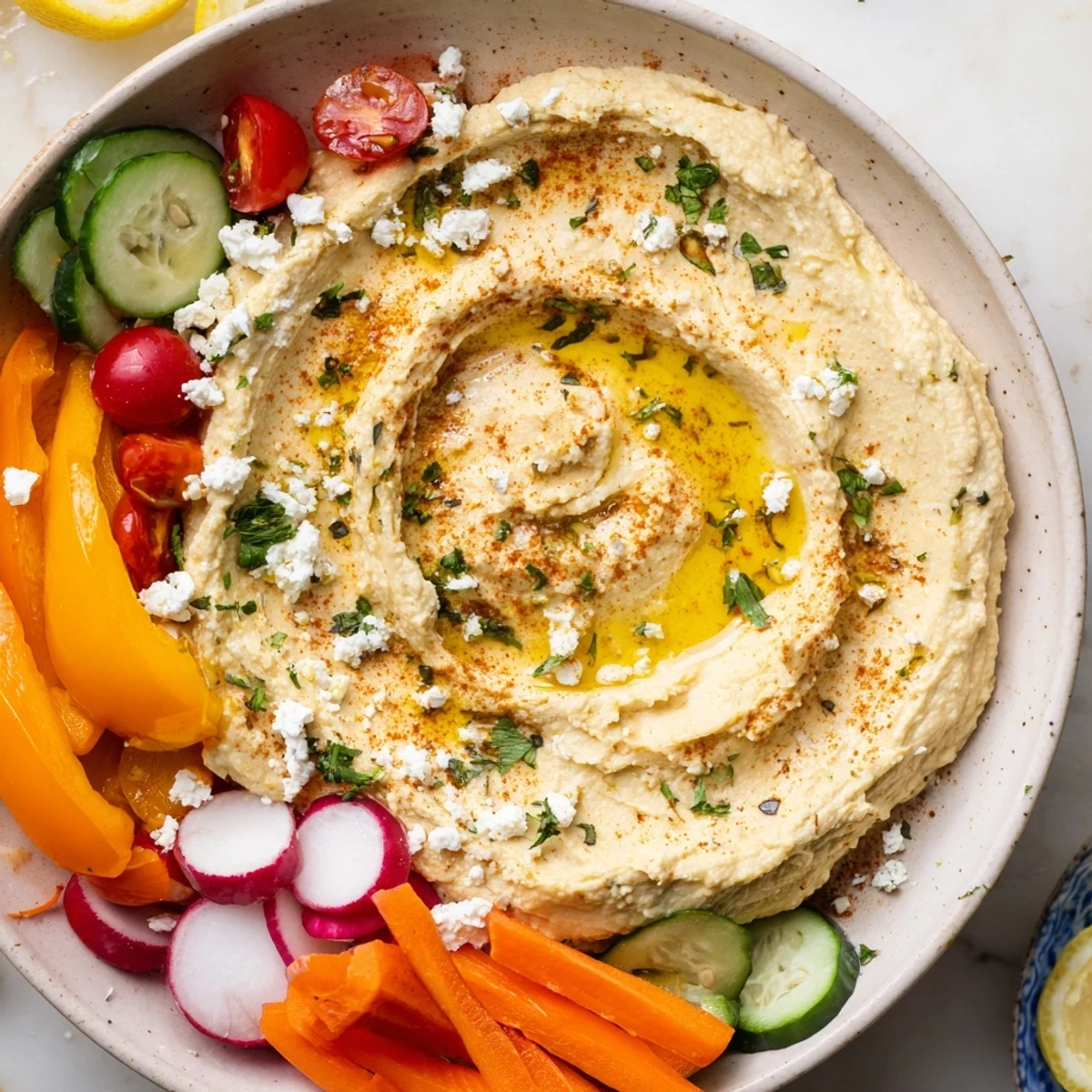
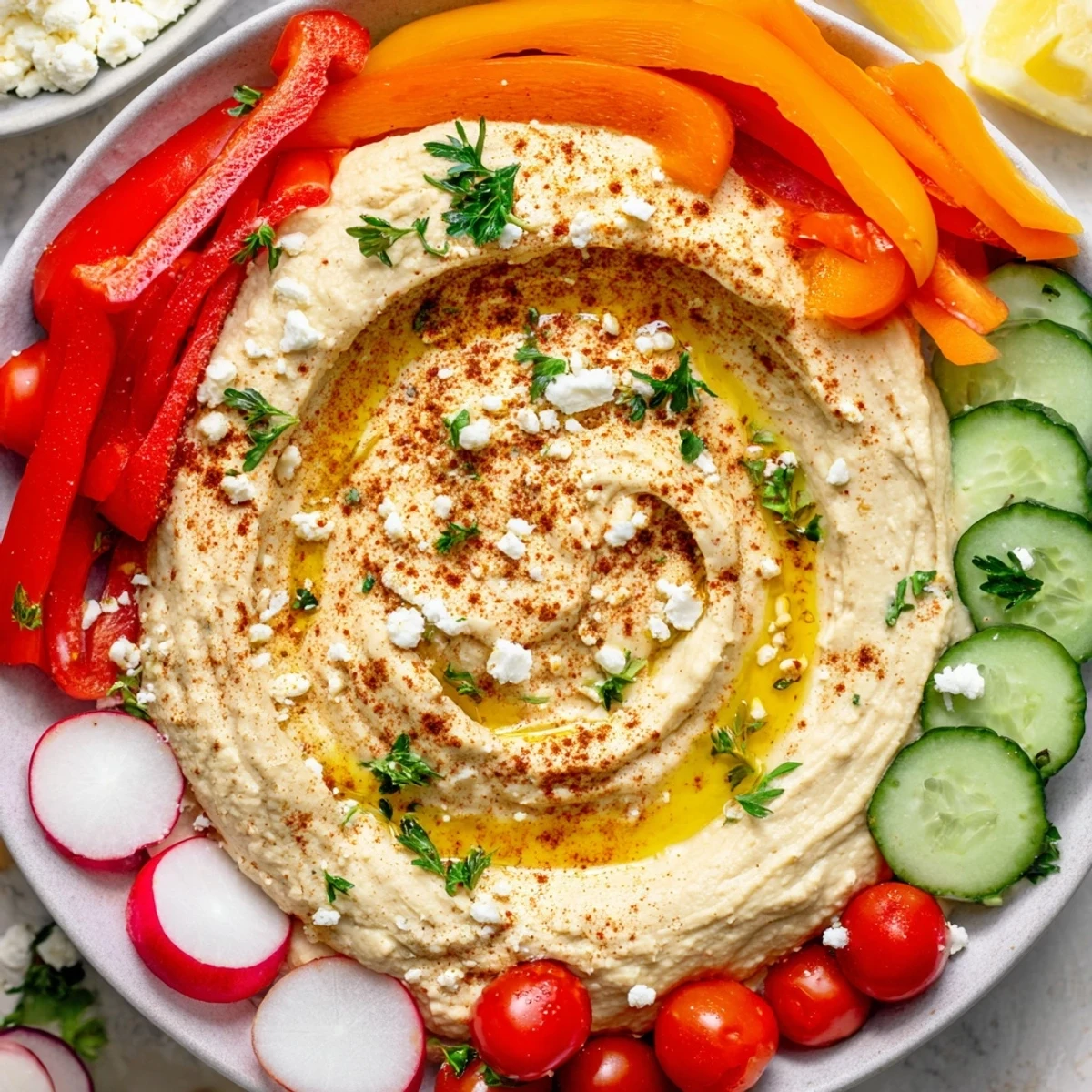
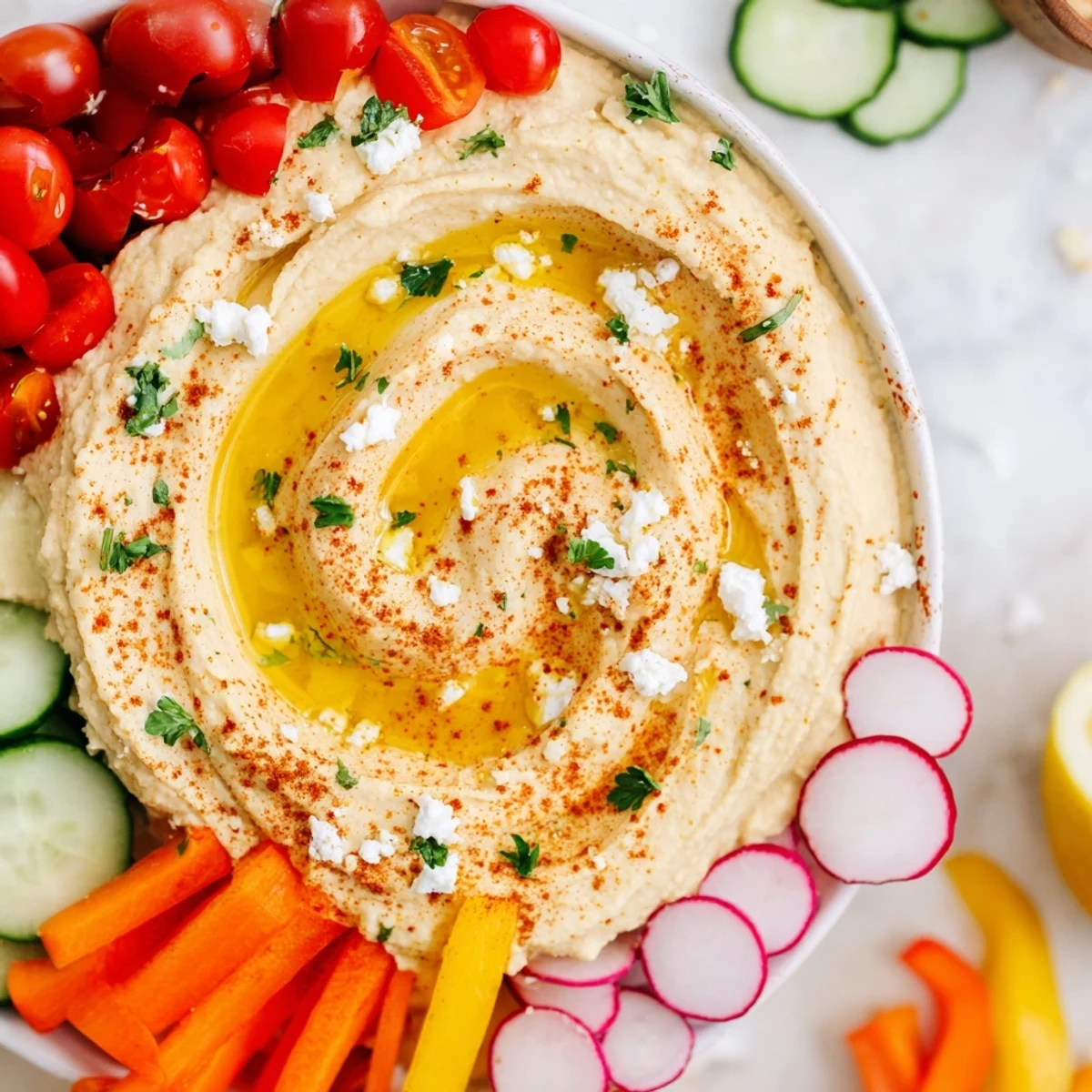
Save This Mediterranean hummus platter showcases smooth, creamy chickpea spread blended with tahini, lemon, and garlic. It is beautifully surrounded by crisp cherry tomatoes, cucumber slices, bell peppers, carrots, and radishes. Kalamata olives, crumbled feta, fresh parsley, and lemon wedges add vibrant, savory accents. Served with pita bread or gluten-free alternatives, this easy-to-assemble platter offers fresh textures and balanced flavors, perfect for gatherings or simple healthy snacking.
The summer I lived in a tiny apartment with almost no counter space, hummus became my entire culinary repertoire. Id set up my food processor on the floor and blend chickpeas while my roommates and I sat cross-legged, testing batches with whatever vegetables we had from the farmers market. Now, whenever I spread tahini on a platter, Im back in that cramped living room, the air thick with garlic and laughter and the absolute freedom that comes from food thats meant to be shared with your hands.
Last spring, I brought this platter to a friends potluck and watched it disappear before anyone even touched the main dishes. My friend Sarah, who claims she hates bell peppers, kept reaching for them without realizingit turns out vegetables are irresistible when theyre arranged like edible art. The hummus was gone before I could even tell people I made it myself, which is always the best kind of compliment.
Ingredients
- 2 cups cooked chickpeas: I learned the hard way that thoroughly dried chickpeas make the creamiest hummuspaper towels between rinsing and blending changed everything
- 1/3 cup tahini: The brands matter herecreamy, well-stirred tahini makes all the difference between gritty and luxurious
- 1/4 cup fresh lemon juice: Room temperature lemons give up more juice, and believe me, you want every drop of that bright acid
- 2 cloves garlic: Mince it by hand and let it sit for 5 minutes to mellow outunless you love hitting people with raw garlic power, then have at it
- 1/4 cup extra-virgin olive oil: Save the fancy stuff for drizzling at the endyour everyday olive oil works perfectly for blending
- 1/2 teaspoon ground cumin: Toast it in a dry pan for 30 seconds first and thank me later for the depth it adds
- 1/2 teaspoon sea salt: Hummus needs more salt than you thinkkeep tasting until it pops
- 24 tablespoons cold water: This is the secret trick for air-light hummusadd it one tablespoon at a time
- 1 cup cherry tomatoes: The sweet ones taste completely different from mealy supermarket tomatoesI buy them a day ahead and leave them on the counter
- 1 cup cucumber: English cucumbers stay crisp longer and dont need peeling, which saves you precious minutes
- 1 red bell pepper and 1 yellow bell pepper: The color contrast matters more than youd thinkarrange them in alternating sections
- 1 cup carrots and 1 cup radishes: Cut these on the thinner side because nobody wants awkward carrot chunks at a party
- 1/4 cup pitted Kalamata olives: Taste them firstsome jars are way saltier than others
- 2 tablespoons crumbled feta: Leave it in chunky crumbles rather than a fine sprinkle for more texture contrast
- 2 tablespoons fresh parsley: Flat-leaf parsley has better flavor, and chop it right before serving so it doesnt get sad
- Pita bread: Warm the triangles in a 350°F oven for 5 minutesit makes such a difference I cant even tell you
Instructions
- Blend your base:
- Toss the chickpeas, tahini, lemon juice, garlic, olive oil, cumin, and salt into your food processor and let it run for a full minute. The hummus might look thick and discouragingthats exactly when you start drizzling in the cold water, one tablespoon at a time, watching it suddenly transform into something silk.
- Create the canvas:
- Use a large, shallow bowl or platter and spread the hummus in a thick, even layer. Take the back of a spoon and make shallow swooshes across the surfacethese little valleys will catch the olive oil and spices beautifully.
- Drizzle and dust:
- Generously drizzle extra olive oil over those swirled sections and sprinkle with smoked paprika or sumac. The oil pooling in the crevices looks restaurant-quality and tastes even better.
- Arrange your vegetables:
- Think of it like edible artworkcluster the cherry tomatoes in one section, line up cucumber rounds like tiny wheels, fan out bell pepper strips in alternating red and yellow sections, then arrange carrot and radish sticks like edible pick-up sticks around the perimeter.
- Add the finishing touches:
- Scatter the olives across the hummus, sprinkle with feta and fresh parsley, and tuck lemon wedges around the edges like little flavor bombs waiting to be squeezed.
 Save
Save My cousin, who claims to be anti-vegetable anything, texted me at midnight after I served this, demanding the recipe because she couldnt stop thinking about the combination of cool cucumber and creamy hummus. Sometimes the best meals arent the ones that took hours to maketheyre the ones that bring people back to the table, reaching for one more slice of bell pepper, one more swipe of hummus, staying longer than anyone planned because the conversation and the food are too good to walk away from.
Making It Your Own
Once you master the classic version, roasted red pepper hummus becomes a total game changerblend in roasted peppers and watch peoples eyes light up. I also love swirling in sun-dried tomatoes or fresh herbs right before serving for these gorgeous flavor pockets. The vegetables are completely flexibletoo whatever looks fresh and beautiful at the market.
The Assembly Secret
Take an extra minute to arrange vegetables by color rather than randomly tossing them on the platter. It sounds trivial, but something about organized, beautiful food makes people gravitate toward it. I learned this when I made an identical platter two weeks in a rowone haphazardly arranged, one carefully placedand the pretty one disappeared twice as fast.
Make-Ahead Magic
The hummus actually tastes better the next day, so I often make it the night before and store it in an airtight container. Bring it to room temperature and give it a quick stir before spreading. Cut all your vegetables in advance and store them in separate containersthe moisture from tomatoes makes everything soggy if you mix them too early.
- Keep a lemon wedge tucked under a napkin to freshen up any oxidizing hummus before serving
- If youre serving this outside, tuck ice packs underneath your serving platter to keep everything crisp
- Set out small spoons for guests who want extra hummus without making a mess
 Save
Save Theres something deeply satisfying about food you can eat with your hands, and this platter hits that perfect spot between casual and special. The best part is watching people who swore they werent hungry suddenly find themselves hovering around the table, reaching for just one more carrot stick.
Recipe FAQs
- → What ingredients create the creamy hummus base?
-
The hummus base combines cooked chickpeas, tahini, fresh lemon juice, garlic, extra-virgin olive oil, ground cumin, and sea salt, blended to a smooth consistency.
- → Which vegetables are typically arranged around the hummus?
-
Fresh cherry tomatoes, cucumber rounds, red and yellow bell pepper strips, carrot sticks, and sliced radishes complement the creamy hummus.
- → How can this platter be adapted for vegan and gluten-free diets?
-
To suit vegan preferences, omit feta cheese. Choose gluten-free pita bread to maintain gluten-free requirements while keeping the platter intact.
- → What garnishes enhance the flavors and presentation?
-
Kalamata olives, crumbled feta, chopped parsley, smoked paprika or sumac, and lemon wedges provide vibrant accents and a zesty finish.
- → Can the vegetables be substituted with others?
-
Yes, snap peas, celery sticks, or blanched asparagus work well as alternative crisp accompaniments to the platter.