
 Save
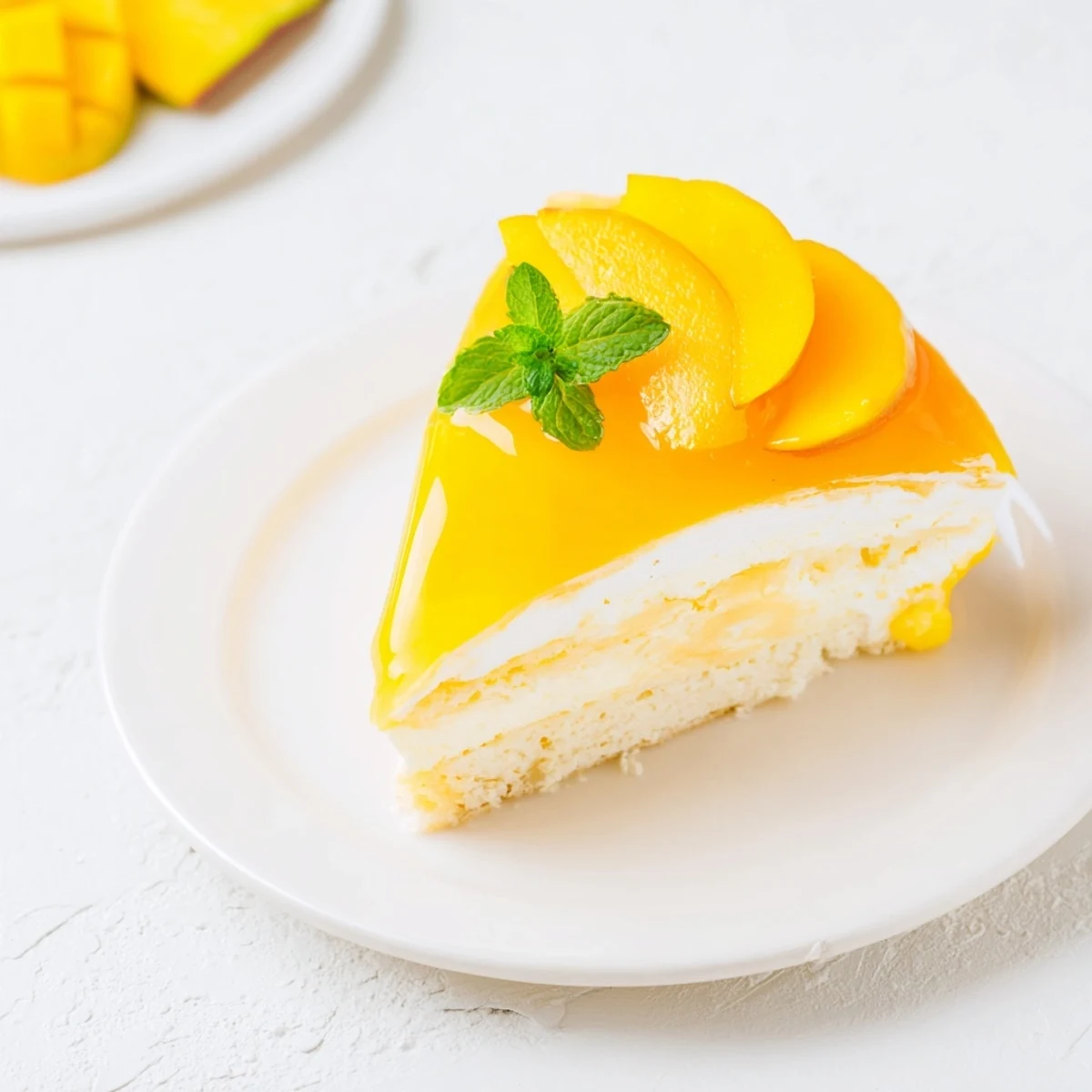
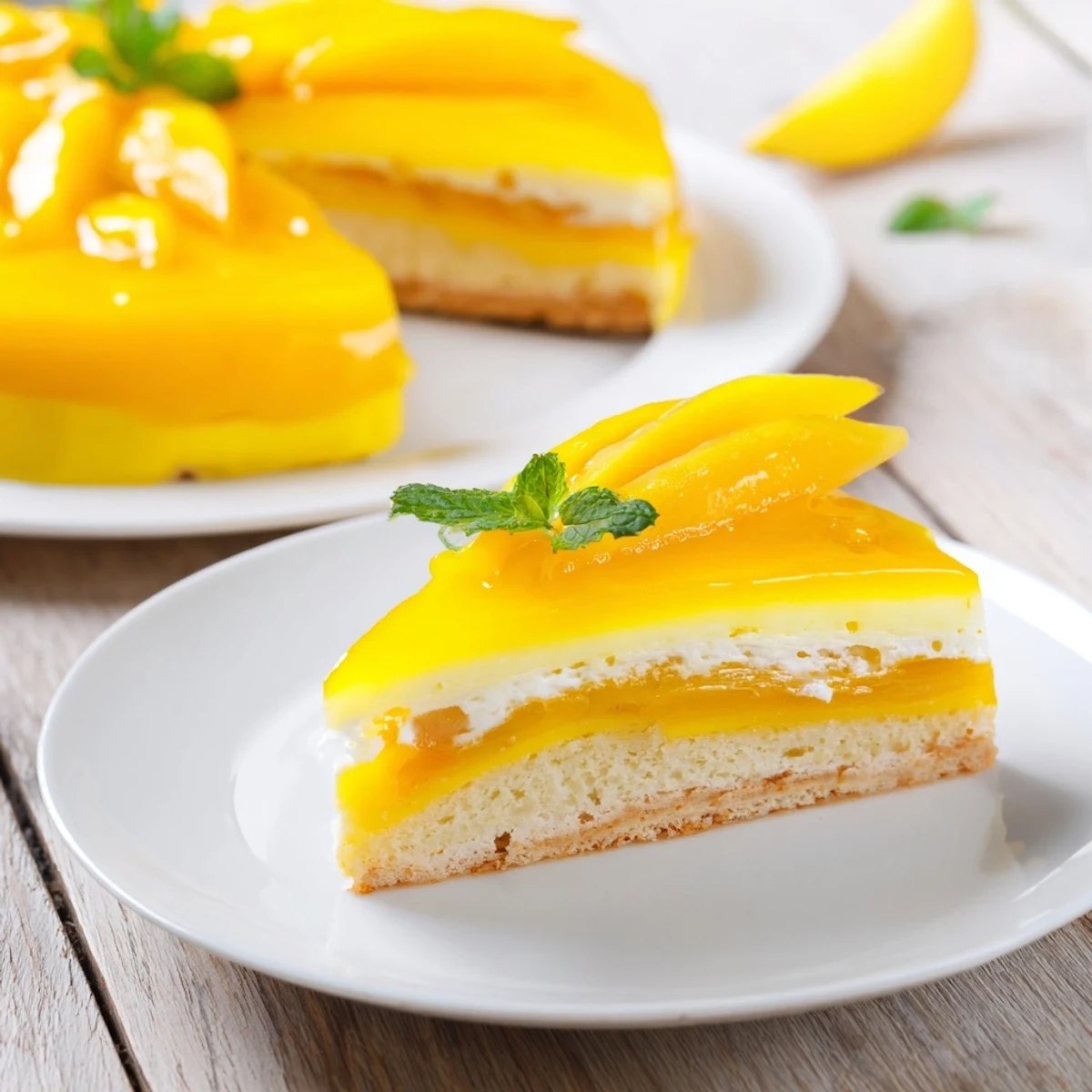
Save This elegant mango mousse cake combines three delightful layers: a light vanilla sponge base, airy mango-infused mousse, and a shimmering mango glaze. The fresh mango puree provides natural sweetness and vibrant tropical flavor throughout each layer. Perfect for warm weather entertaining, this stunning dessert needs to chill for several hours to set properly, making it ideal to prepare ahead. The final presentation with fresh mango slices and mint creates an impressive centerpiece for any summer occasion.
The air conditioning had broken down during the hottest week of July, and I was standing in my kitchen wondering why I had agreed to host a dinner party. My friend Sarah had brought over a bag of the most fragrant Ataulfo mangoes from her family's tree, and somehow the idea of turning on the oven seemed less insane than letting them go to waste. That afternoon, stirring mango puree into cream while sweat trickled down my back, I discovered that some desserts actually taste better when they are born out of mild desperation and perfectly ripe fruit.
My grandmother would have been horrified by how modern this feels, but she also would have asked for thirds. When I brought this to a potluck last summer, my friend Tom actually closed his eyes mid bite and said nothing for a full minute, which is the highest compliment he has ever given anything that is not baseball related. The next day, three different people texted me for the recipe, and one offered to trade her famous lasagna recipe for it.
Ingredients
- 3 large eggs at room temperature: Cold eggs will not whip up properly and your sponge will be dense instead of airy
- 90 g granulated sugar: This small amount is just enough to sweeten the sponge without competing with the mango
- 90 g all purpose flour: Sift it twice to avoid any lumps that might sink to the bottom during baking
- 1/2 tsp vanilla extract: Pure extract makes a difference here since the sponge is so delicate
- Pinch of salt: A tiny pinch actually enhances the sweetness and balances the flavors
- 400 g ripe mango flesh pureed: Ataulfo or champagne mangoes are creamier and less fibrous than regular ones
- 60 g granulated sugar: Adjust slightly depending on how sweet your mangoes are
- 2 tbsp lemon juice: Brightens the mango flavor and prevents the mousse from being cloyingly sweet
- 1 tbsp unflavored gelatin powder: This gives the mousse structure without making it rubbery
- 300 ml heavy cream cold: The cream must be very cold to whip up properly
- 150 g mango puree: Use the smoothest puree you can make for a mirror like glaze
- 1 tbsp lemon juice: Cuts through the sweetness of the glaze
- 1 tbsp granulated sugar: Helps the glaze set properly while adding shine
- 1.5 tsp unflavored gelatin powder: The right amount for a glaze that holds its shape but still melts on your tongue
- Fresh mango slices mint leaves optional: These are mostly for show but they do make it look impressive
Instructions
- Prep your pan and oven:
- Preheat to 180°C (350°F) and line just the bottom of a 23 cm springform pan with parchment paper. Do not grease the sides or the sponge will not climb properly.
- Make the sponge base:
- Beat eggs and sugar until they are pale and have tripled in volume, which takes about 5 minutes. Gently fold in the flour, salt, and vanilla until just combined, then pour into your prepared pan and bake 12 to 15 minutes until a toothpick comes out clean. Cool it completely in the pan.
- Start the mango mousse:
- Sprinkle the gelatin over 3 tbsp cold water and let it bloom for 5 minutes while you puree the mango with sugar and lemon juice. Gently heat the bloomed gelatin until dissolved, stir it into the mango puree, and let it cool slightly.
- Whip and fold:
- Whip the cold heavy cream to soft peaks, then gently fold it into the mango mixture until completely smooth. Pour this over your cooled sponge and smooth the top before refrigerating for at least 2 hours.
- Create the glossy glaze:
- Bloom the gelatin in 2 tbsp cold water, heat until dissolved, then stir it into the mango puree, lemon juice, and sugar. Let it cool to room temperature so it does not melt the mousse, then pour it over the set mousse layer.
- Finish with patience:
- Chill for at least 2 more hours until the glaze is firm. Run a knife carefully around the edge, release the springform, and decorate with fresh mango slices and mint if you are feeling fancy.
 Save
Save Last summer, I made this for my neighbor's birthday and her five year old granddaughter took one bite and announced it tasted like sunshine. The next week, the grandmother called to say the child had been asking for the sunshine cake every day since. Sometimes the best feedback comes from the people who have no idea how complicated a recipe actually was.
Mango Selection Matters
I have learned through many failed batches that not all mangoes are created equal when it comes to mousse. The stringy fibers in regular mangoes can create an unpleasant texture, while Ataulfo or champagne mangoes are naturally creamy and virtually fiber free. If you can only find regular mangoes, press the puree through a fine mesh sieve to catch any fibers before proceeding with the recipe.
Making It Ahead
This cake actually improves with a little time, which makes it perfect for entertaining. I have made it up to two days in advance, storing it loosely covered in the refrigerator, and the flavors have time to meld and develop deeper complexity. The texture remains perfectly stable, though the glaze might develop a few droplets of moisture which you can gently pat dry before serving.
Troubleshooting Your Glaze
A perfectly smooth glaze requires attention to temperature and timing. If the glaze is too warm, it will slide right off the mousse and pool at the edges of your pan. If it is too cool, it will spread unevenly and create thick and thin spots that look accidental rather than designed.
- Test the glaze temperature by dipping a spoon in and letting it fall back into the bowl
- It should coat the back of the spoon without being too thick or too runny
- Work quickly once you start pouring because the glaze will set as it hits the cold mousse
 Save
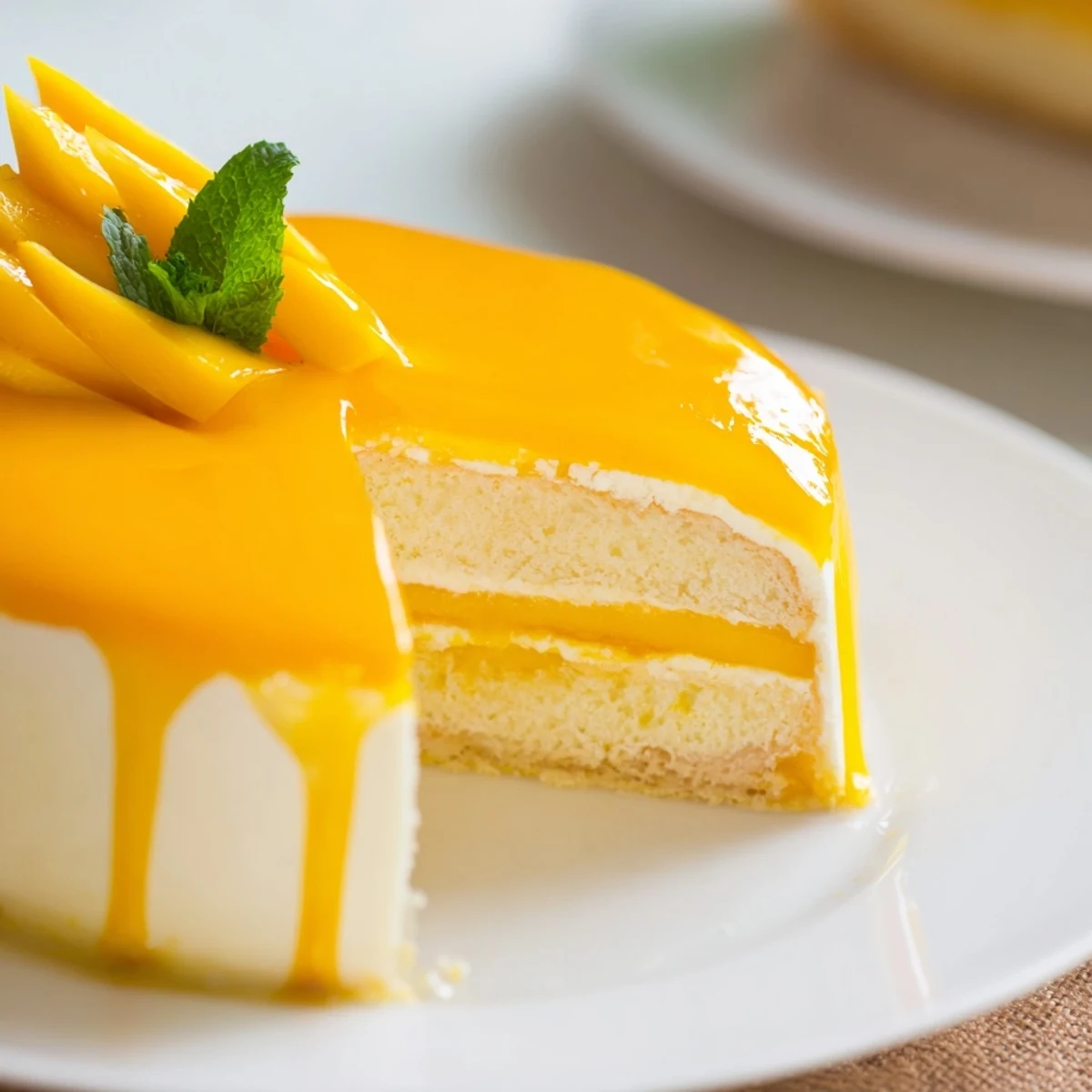
Save There is something deeply satisfying about slicing into this cake and seeing those perfect layers revealed, like you have created something much more complicated than it actually was. Serve it cold and watch people's eyes light up when they realize just how good mango can be.
Recipe FAQs
- → Can I use frozen mangoes instead of fresh?
-
Yes, you can substitute high-quality frozen mango chunks. Thaw them completely and drain any excess liquid before pureeing to maintain the proper consistency in both the mousse and glaze layers.
- → How long does this mango mousse cake need to chill?
-
The mousse layer requires at least 2 hours to set, and the glaze needs an additional 2 hours to firm up completely. For best results, prepare this dessert the day before serving and allow it to chill overnight.
- → Can I make this gluten-free?
-
Absolutely! Simply replace the all-purpose flour in the sponge base with an equal amount of gluten-free flour blend. The texture remains light and tender while accommodating dietary restrictions.
- → How should I store leftovers?
-
Keep the cake refrigerated in an airtight container or covered with plastic wrap. It will stay fresh for 3-4 days. The texture remains creamy and the glaze stays glossy when properly chilled.
- → Can I substitute the gelatin?
-
For vegetarian alternatives, you can use agar-agar powder, though the setting time and ratios may differ. Gelatin sheets work equally well if you prefer them over powder for a smoother texture.
- → What wine pairs well with this dessert?
-
Moscato d'Asti or sparkling wine complements the tropical mango flavors beautifully. The light sweetness and effervescence balance the creamy richness of the mousse without overwhelming the delicate fruit notes.