
 Save
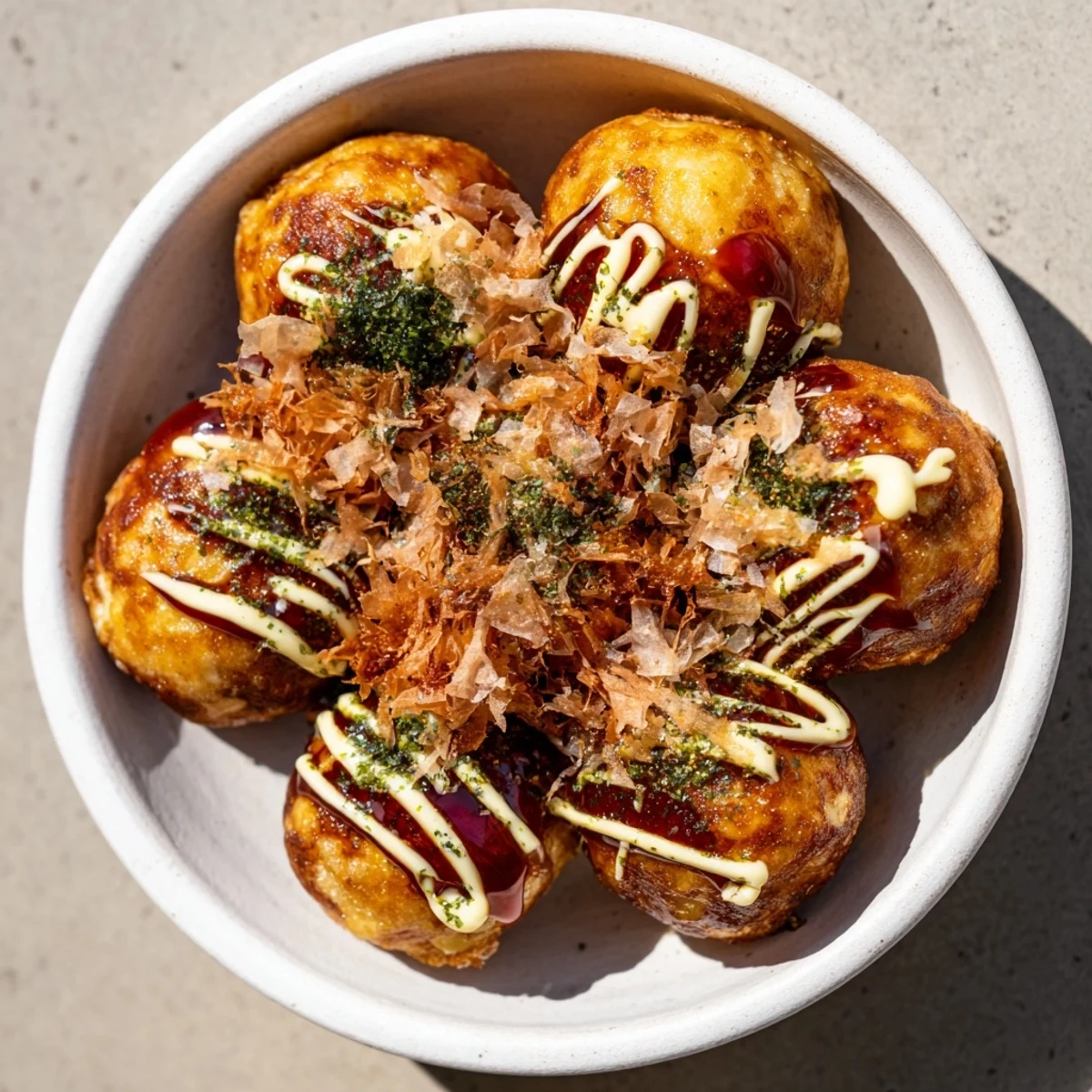
Save Crispy on the outside, soft on the inside, these savory octopus-filled balls are a staple of Japanese street food culture. The batter is made with dashi stock for umami depth, then filled with chunks of tender octopus, crunchy tenkasu, and zesty pickled ginger. A special pan helps achieve the signature round shape as you continuously turn the cooking batter. Finished with sweet-savory sauce, creamy mayonnaise, and dancing bonito flakes, these warm bites deliver layers of texture and flavor in every mouthful.
The first time I watched a street vendor make takoyaki in Osaka, I stood mesmerized for twenty minutes while my husband patiently waited around the corner. His hands moved with this practiced rhythm, flipping the balls with two metal picks like he was conducting an orchestra, and the bonito flakes danced on top from the heat. I bought a pan the next week and burned my first three batches before learning the secret was in the wrist flick, not the speed. Now the smell of dashi and Worcestershire takes me back to that crowded street corner, even when I am making them in my tiny kitchen on a rainy Tuesday.
Last summer I hosted a dinner party and set up a little takoyaki station on the stove, letting everyone try their hand at flipping the balls. My friend Sarah, who claims she cannot cook anything, turned out to be a natural and took over the whole operation while I prepped the toppings. We ended up standing around the pan eating them as fast as they came out, burning our fingers because we could not wait for them to cool down. The whole kitchen smelled like sweet sauce and ocean, and someone suggested we should do this every Friday night.
Ingredients
- 1 cup all purpose flour: This forms the base of your batter, and I have found that sifting it first prevents any lumps from forming
- 2 large eggs: Room temperature eggs incorporate better into the batter for that smooth, crepe like consistency
- 2 cups dashi stock: The umami foundation of the whole dish, though water with extra soy sauce works in a pinch
- 1/2 tsp soy sauce: Just enough to deepen the flavor without making the batter too dark or salty
- 1/2 tsp salt: Essential for balancing all the flavors and making the octopus taste like itself
- 120 g cooked octopus: The heart of takoyaki, cut into small pieces that will fit comfortably inside each ball
- 1/4 cup tenkasu: These little tempura bits add crucial crunch pockets throughout the soft interior
- 2 tbsp pickled red ginger: Provides bright little acidic bursts that cut through the richness
- 2 green onions: Fresh onion bits bring a mild sharpness that complements the sweet sauce
- Takoyaki sauce: A sweet and tangy glaze that you can make by mixing Worcestershire and ketchup
- Japanese mayonnaise: Creamier and richer than American mayo, this adds the perfect velvety finish
- Aonori: Dried seaweed flakes that bring a subtle ocean flavor and beautiful green color
- Katsuobushi: Bonito flakes that wave and curl from the heat, making the dish come alive
Instructions
- Mix the batter:
- Whisk flour, eggs, dashi, soy sauce, and salt until completely smooth and thin, letting it rest while you heat the pan
- Heat the pan:
- Preheat your takoyaki pan over medium heat and oil each well thoroughly, using a paper towel to ensure even coverage
- Fill the wells:
- Pour batter into each well until it reaches the rim, working quickly so the heat stays consistent across the pan
- Add the fillings:
- Drop one piece of octopus, a pinch of tenkasu, some ginger, and green onions into each batter filled well
- Let them set:
- Wait one to two minutes until you see the edges turning golden and starting to pull away from the pan
- Start the turn:
- Use two skewers or chopsticks to flip each ball 90 degrees, letting the uncooked batter spill out and form the bottom
- Keep turning:
- Continue rotating every minute or two until all sides are golden brown and the balls feel firm and hollow
- Add the toppings:
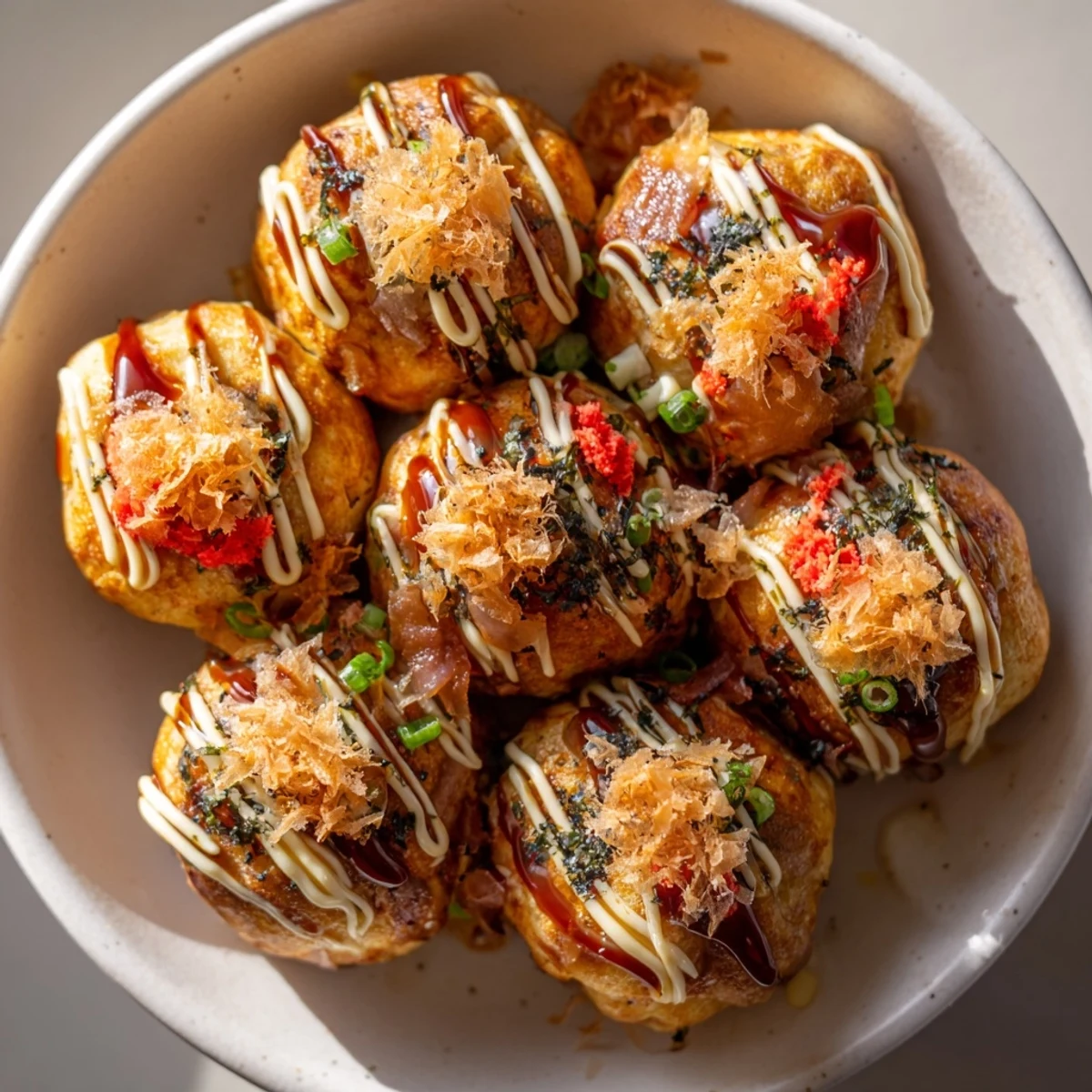
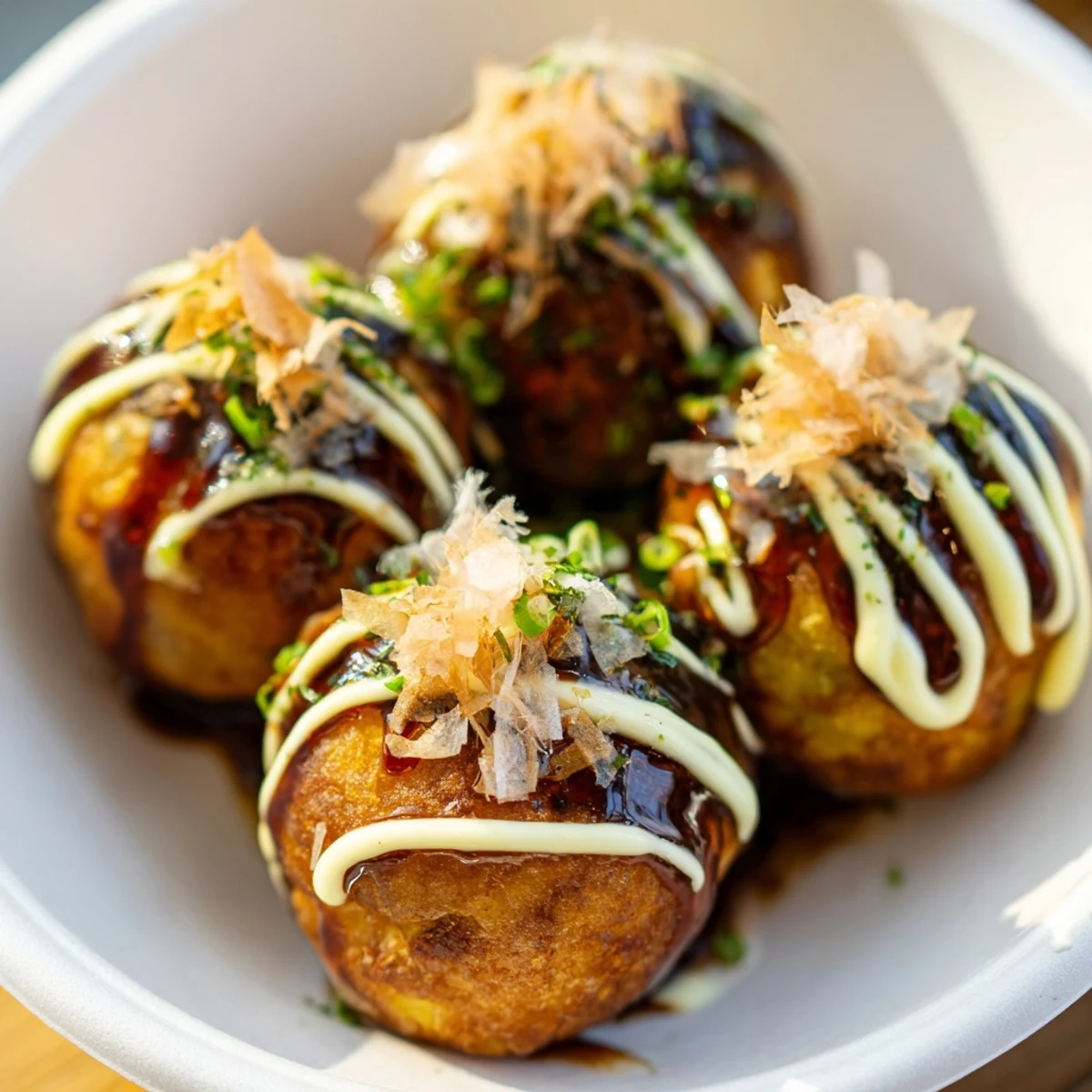
- Transfer to a plate and immediately drizzle with sauce and mayonnaise, then sprinkle with aonori and bonito flakes
 Save
Save My daughter now asks for takoyaki on her birthday instead of cake, which still surprises me every year. We have turned it into this little tradition where she stands on her step stool and helps add the fillings while I man the flipping. Last time she told me these taste like happiness, and honestly, I cannot think of a better description.
Choosing the Right Pan
I tried making these once in a regular muffin tin and they turned into weird hockey puck shapes that nobody wanted to eat. A proper takoyaki pan has those hemispherical wells that are essential for getting that perfect sphere, and the cast iron ones hold heat beautifully for even cooking. If you cannot find one, an aebleskiver pan actually works surprisingly well as a substitute.
Making Your Own Sauce
Store bought takoyaki sauce is convenient but making your own takes two minutes and tastes infinitely better. I whisk together equal parts Worcestershire sauce and ketchup with a splash of soy sauce and a teaspoon of sugar until it feels right. Keep tasting as you go because some Worcestershire brands are stronger than others, and you want that perfect balance of sweet and tangy.
Getting the Turning Technique
The flipping motion scared me for months until I realized it is more of a gentle push than a complicated wrist flick. I use two skewers and sort of scoop under the edge, letting gravity help rotate the ball while the uncooked batter naturally flows into the empty space. Do not worry if your first few look like misshapen blobs, they will still taste amazing.
- Practice with a dry pan first to get comfortable with the motion without the pressure of cooking batter
- Keep a small bowl of oil nearby to re grease the wells between batches if they start sticking
- Work in small batches until you build confidence, rushing leads to burnt outsides and raw insides
 Save
Save These little octopus balls have brought more joy to my table than almost any other dish I have learned to make. There is something magical about gathering around a hot pan, taking turns, and eating together with your hands that feels like the best kind of dinner party.
Recipe FAQs
- → What is takoyaki?
-
Takoyaki is a popular Japanese street food originating from Osaka. These are ball-shaped snacks made from a savory wheat flour-based batter and cooked in a special molded pan. They're typically filled with diced octopus, tempura scraps, green onion, and pickled ginger, then topped with sauce, mayonnaise, and bonito flakes.
- → Can I make takoyaki without a special pan?
-
Yes! While a traditional takoyaki pan yields the best results, you can substitute with an aebleskiver pan (Danish pancake pan) or even a cake pop maker. These alternatives have similar half-sphere molds that can help achieve the round shape. The cooking technique remains the same – fill, add fillings, and turn continuously.
- → What can I use instead of octopus?
-
While octopus is traditional, you can substitute with cooked shrimp, squid, or even mushrooms for a vegetarian option. Some variations use small pieces of cooked chicken or konjac root. The key is to use something with a bit of texture that can withstand the cooking process without becoming tough.
- → How do I achieve the perfect crispy exterior?
-
The secret to crispy takoyaki is a properly preheated pan and continuous turning. Start with medium-high heat to get a good initial sear, then reduce slightly as you turn. The batter should be thin enough to flow easily when you rotate the balls. Don't overcrowd the pan, and make sure your oil is evenly distributed before adding batter.
- → What is tenkasu and where can I find it?
-
Tenkasu are crispy bits of deep-fried flour batter – essentially tempura scraps. They add essential crunch and texture to takoyaki. You can find them in Japanese grocery stores, often labeled as tempura flakes or agedama. If unavailable, you can make your own by frying small dollops of tempura batter until golden and crispy.
- → How should I store and reheat leftover takoyaki?
-
Takoyaki is best enjoyed immediately when the exterior is crispest and the interior is custardy soft. If you have leftovers, store them in an airtight container in the refrigerator for up to 2 days. To reheat, use an air fryer at 350°F for 5-7 minutes or oven at 400°F for 10 minutes to restore some crispiness. Avoid microwaving as they'll become soggy.