
 Save
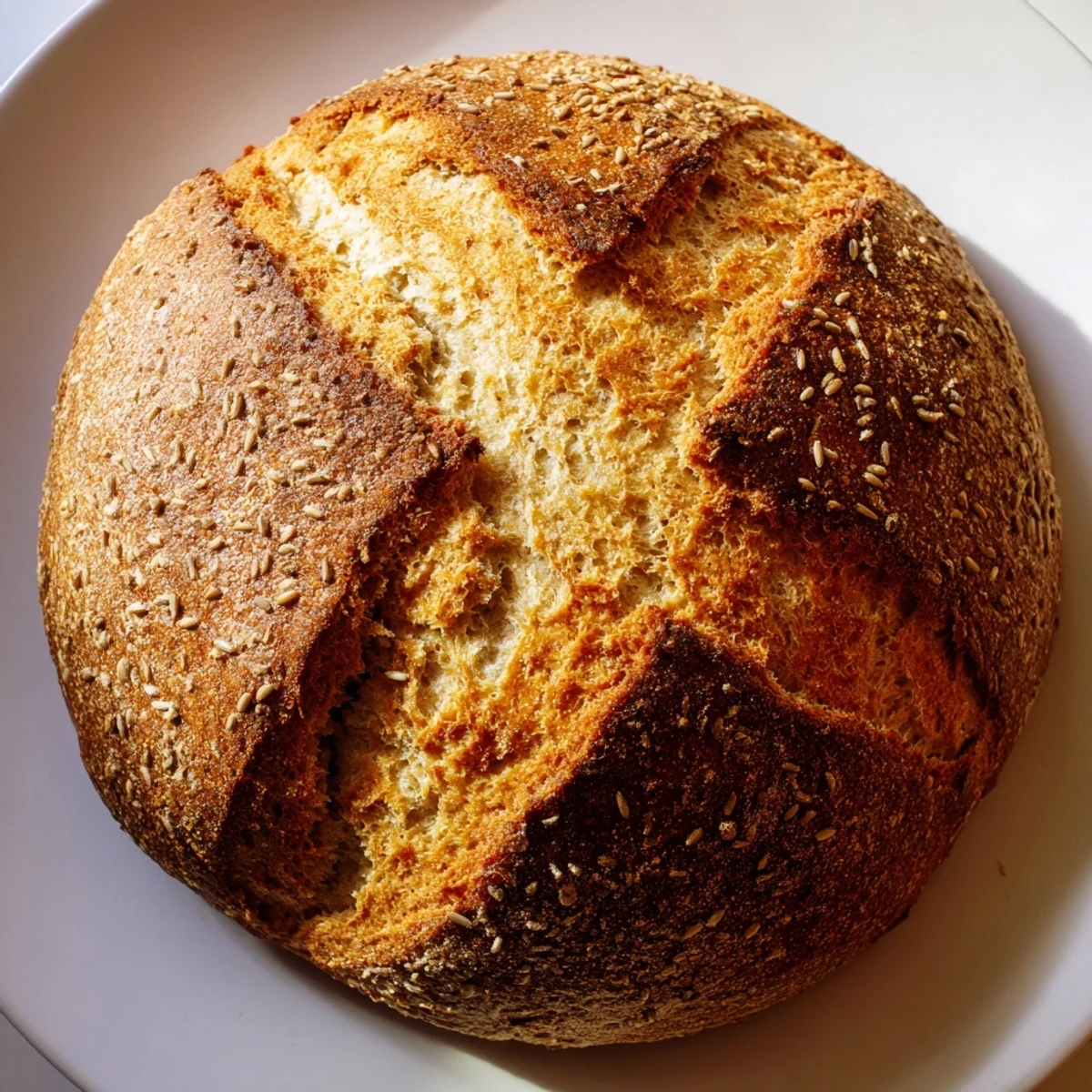
Save This Irish soda bread blends the tang of buttermilk with the warm aroma of caraway seeds to create a lightly sweetened, rustic loaf. With simple ingredients like flour, sugar, baking soda, and a touch of butter, it requires minimal preparation and bakes into a golden crust with a tender crumb. Adding raisins or currants is optional, introducing a subtle sweetness. Serve fresh or toasted for a hearty, comforting accompaniment to soups or spreads.
The bread is easy to prepare, kneaded just enough to combine ingredients, and baked at 425°F until golden and hollow-sounding. Its texture balances softness with slight chew, enhanced by caraway’s distinctive flavor. This loaf is versatile for various occasions and can be adapted with whole wheat flour or adjusted spices for depth.
The smell of caraway seeds always pulls me back to my grandmother's tiny kitchen in County Cork, where she would bake soda bread every Monday without fail. I was twelve when she finally let me cut the signature X into the dough, explaining it was to let the fairies out, though I suspect now she just wanted to keep me occupied while she made tea. She swore that caraway was the secret that made her bread memorable, a subtle warmth that lingered long after the last crumb was gone.
Last winter, during that storm that kept everyone inside for three days, I made six loaves just to keep the house warm and inviting. My neighbors ended up at my kitchen table with slabs of butter melting into thick slices, and we sat there for hours watching the snow fall while the bread came out of the oven every hour. There is something about baking bread that turns strangers into friends, and this particular recipe became the anchor of that whole weekend.
Ingredients
- All-purpose flour: Creates the structure—use unbleached for the best flavor and texture
- Granulated sugar: Just enough to balance the tangy buttermilk and highlight the caraway
- Baking soda: The leavening agent that reacts instantly with buttermilk for that quick rise
- Kosher salt: Enhances all the flavors and strengthens the gluten structure slightly
- Caraway seeds: The soul of the bread—slightly sweet, slightly minty, unmistakably Irish
- Buttermilk: Provides acidity for the baking soda and creates a tender, moist crumb
- Egg: Adds richness and helps the bread hold its shape
- Unsalted butter: Contributes to both flavor and a softer texture
- Raisins or currants: Completely optional but traditional—adds little bursts of sweetness that contrast beautifully with the caraway
Instructions
- Get your oven ready:
- Preheat to 425°F (220°C) and line a baking sheet with parchment—having everything prepared before you mix means you will not lose any precious leavening power.
- Whisk the dry ingredients together:
- In a large bowl, combine the flour, sugar, baking soda, salt, and caraway seeds until everything is evenly distributed.
- Add the fruit:
- If you are using raisins or currants, toss them in now so they get coated with flour and will not sink to the bottom of your loaf.
- Combine the wet mixture:
- In a separate bowl, whisk together the buttermilk, beaten egg, and melted butter until smooth.
- Bring it all together:
- Make a well in the center of the dry ingredients, pour in the wet mixture, and mix gently with a wooden spoon until a shaggy dough forms.
- Minimal kneading:
- Turn onto a lightly floured surface and knead just until it holds together—about 10 to 12 turns is perfect.
- Shape the loaf:
- Form the dough into a round about 7 or 8 inches across and place it on your prepared baking sheet.
- Score the top:
- Use a sharp knife to cut a deep X across the top—it should go about halfway through the dough.
- Bake until golden:
- Bake for 35 to 40 minutes until the crust is deeply golden and the bottom sounds hollow when you tap it.
- Patiently wait:
- Cool on a wire rack for at least 30 minutes before cutting into it—this is the hardest part but absolutely essential for proper texture.
 Save
Save My friend Sarah, who insists she cannot bake anything, made this recipe three times in one week after I shared it with her. She called me on the fourth day to say her kids had started requesting it for breakfast and that she felt like she had been keeping a wonderful secret from herself all these years. That is exactly what happened when I finally mastered soda bread—it becomes the thing you reach for when you want to feel capable and comforted all at once.
Getting the X Right
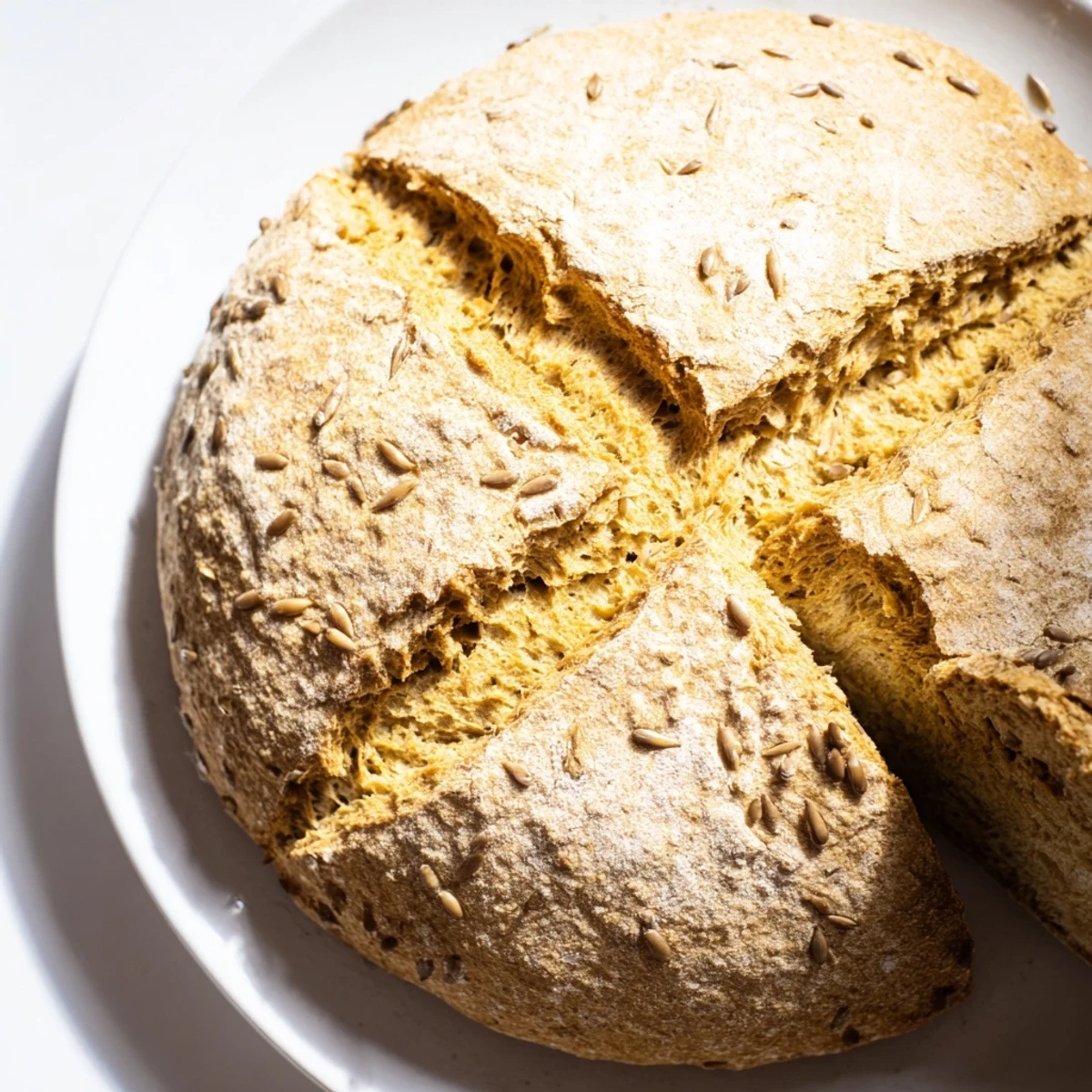
The depth of your cut matters more than you might think. I learned the hard way that a shallow slash will seal back up during baking, while a cut that goes too deep can cause the loaf to separate oddly. Aim for about halfway through the dough and cut with confidence—hesitation makes for wobbly lines. Your knife should be sharp enough to slice through without dragging, which keeps the edges clean and lets the bread expand properly in the oven.
Making It Your Own
While the classic combination is hard to improve upon, there is room for variation once you are comfortable with the base recipe. Swapping in some whole wheat flour adds a nutty depth and extra fiber, though you may need a splash more buttermilk to compensate for the extra absorbency. I have also experimented with adding orange zest along with the raisins, which brightens everything and feels like a special occasion even on a Tuesday.
Storage and Revival
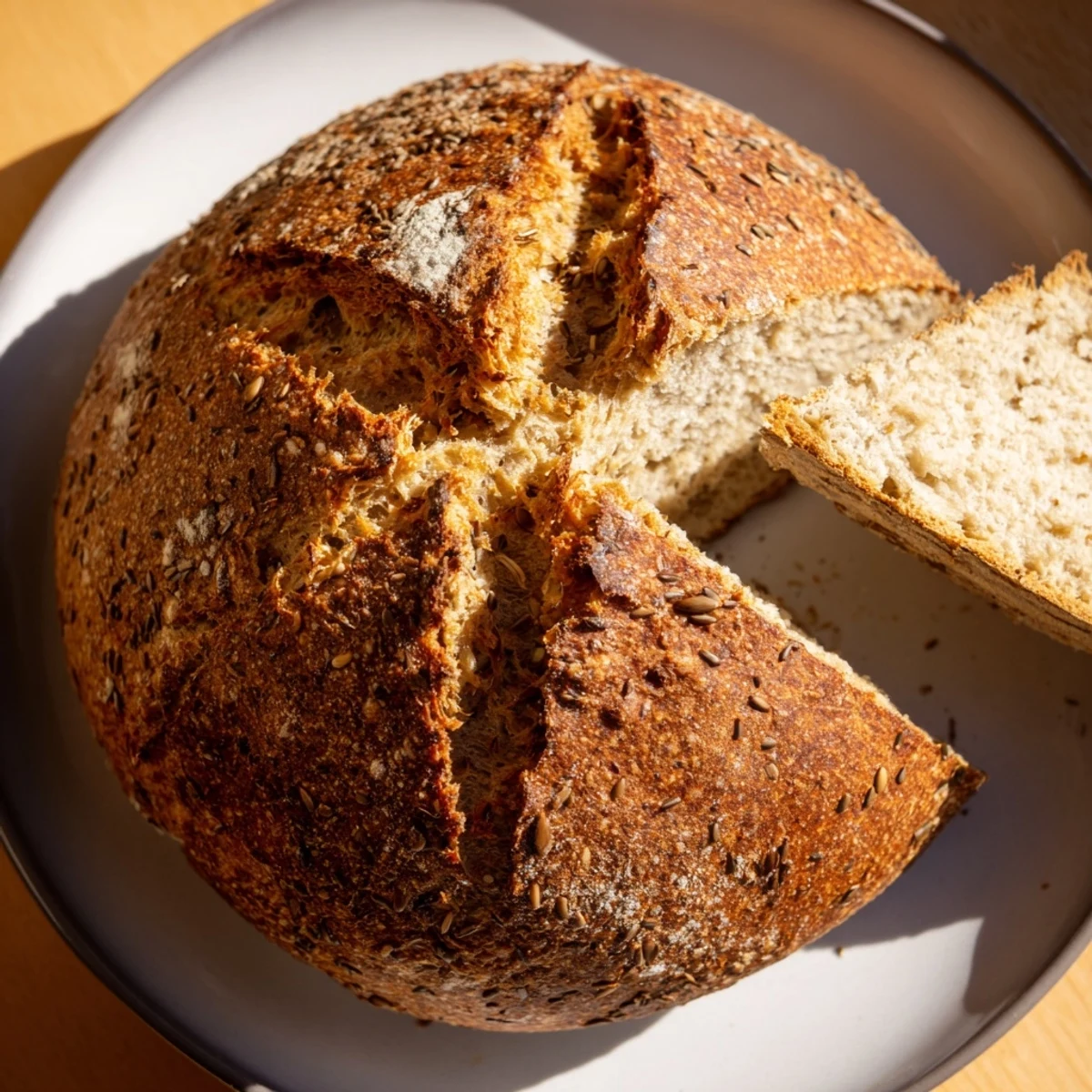
This bread is at its absolute best the day it is made, still warm from the oven with butter pooling in every crevice. However, it also toasts beautifully the next day—just slice it thick and give it a few extra minutes to get those golden edges. If you somehow have leftovers after day two, wrap it tightly and freeze it, then refresh slices in a 350°F oven for about 10 minutes.
- Wrap leftover bread in a clean kitchen towel rather than plastic—it keeps the crust from getting soft
- Revive day-old bread by sprinkling it with water and warming it in a 325°F oven for 10 minutes
- Never store soda bread in the refrigerator, which makes it stale faster than leaving it at room temperature
 Save
Save There is something profoundly satisfying about making bread that requires nothing more than mixing and baking—no waiting, no watching, just the alchemy of simple ingredients becoming something nourishing and warm. I hope this recipe finds its way into your regular rotation, becoming the loaf you reach for when you need to feed people you love, or just yourself on a quiet afternoon.
Recipe FAQs
- → What gives the bread its tangy flavor?
-
Buttermilk contributes a mild tanginess that enhances the bread's flavor and texture.
- → Can I omit the caraway seeds?
-
Yes, omitting caraway changes the spice profile but the bread remains delicious and traditional.
- → What is the purpose of the baking soda?
-
Baking soda acts as a leavening agent, helping the bread rise quickly without yeast.
- → How do I know when the bread is done baking?
-
The bread should be golden brown and sound hollow when tapped on the bottom.
- → Can I add dried fruit to this bread?
-
Yes, raisins or currants can be mixed in for a sweeter variation.
- → Is it necessary to knead the dough extensively?
-
Minimal kneading is recommended to keep the bread tender with a rustic texture.