
 Save
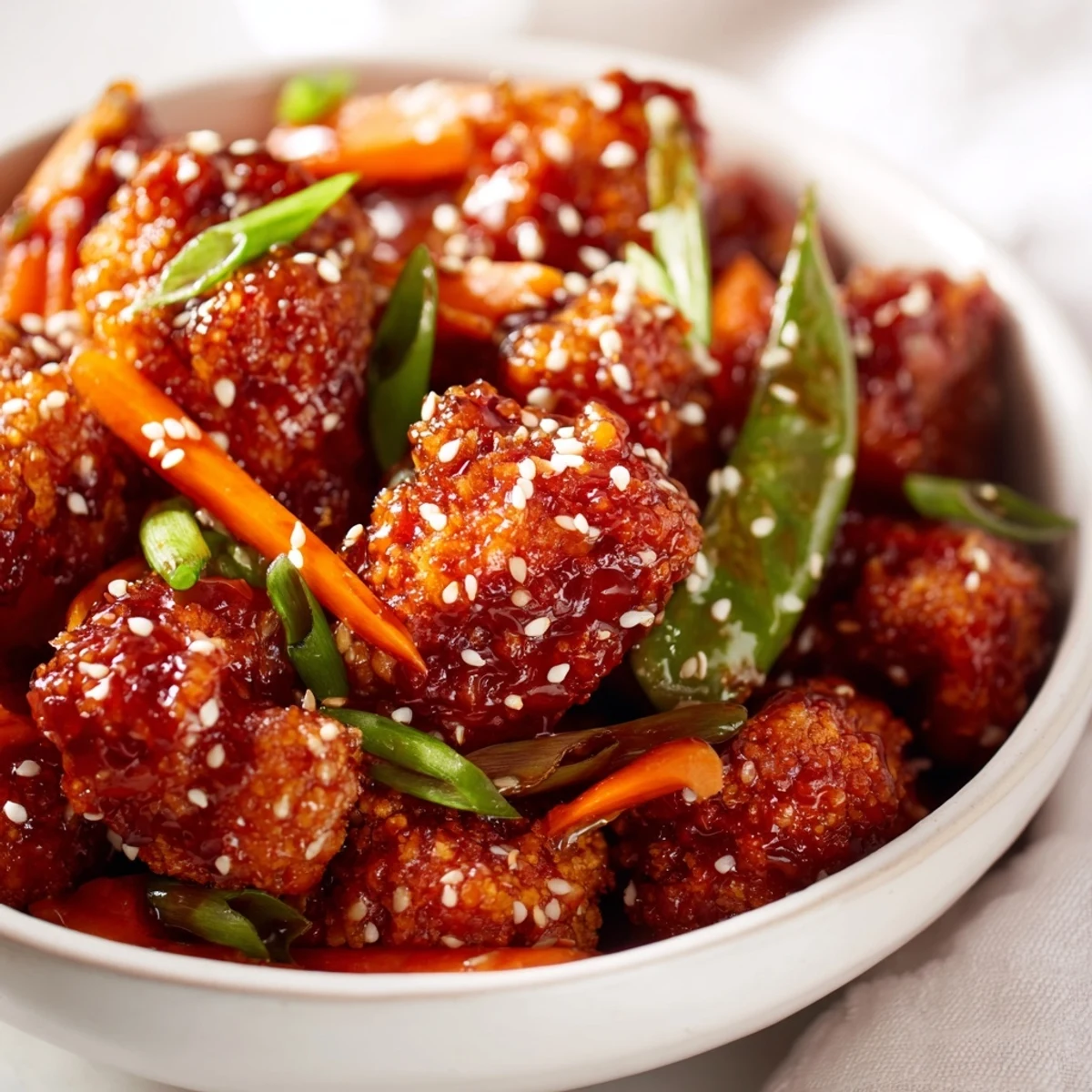
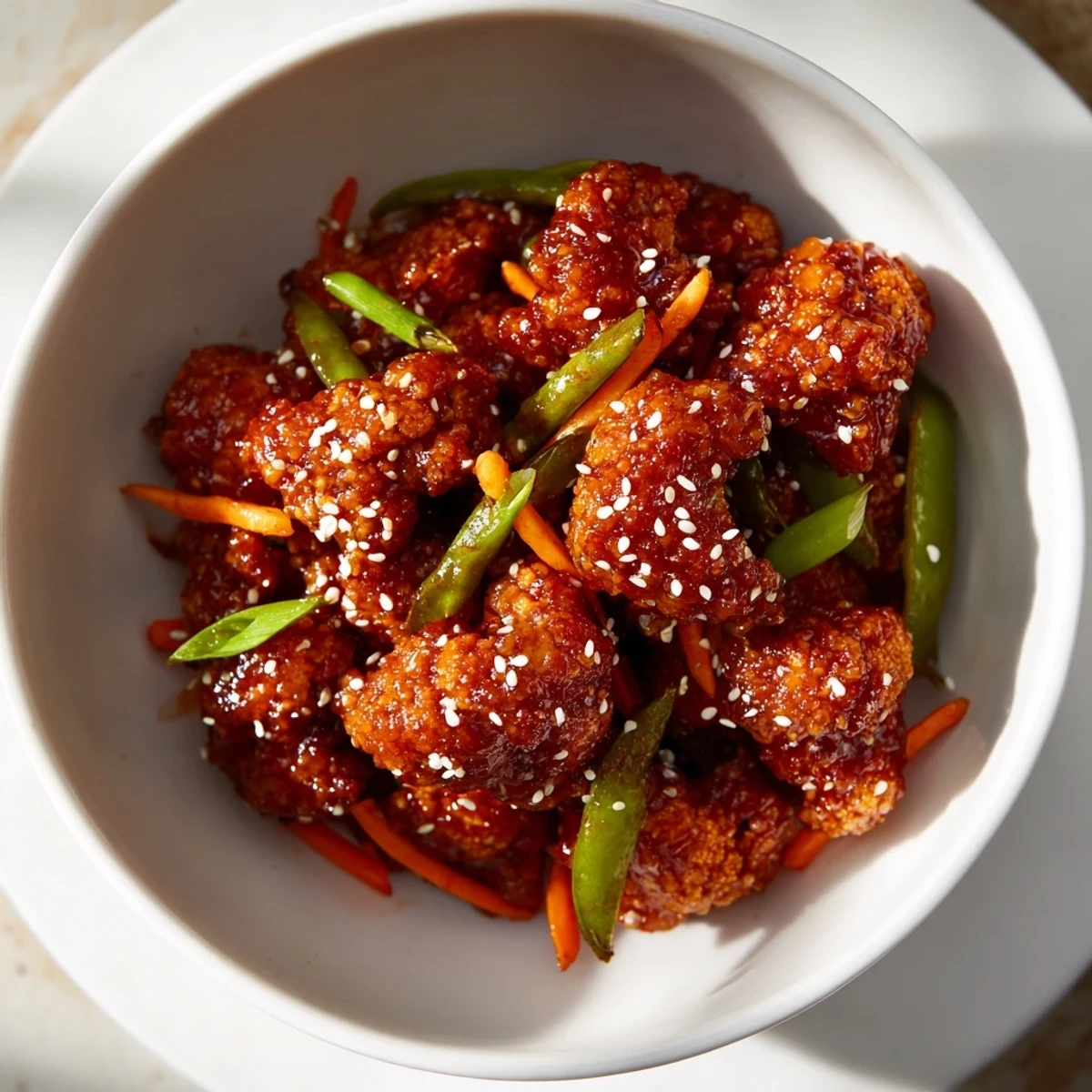
Save Golden roasted cauliflower florets get a crispy panko coating before being tossed in a rich, tangy General Tsos sauce. The sauce balances sweet brown sugar and hoisin with savory soy sauce, aromatic ginger and garlic, plus a kick of sriracha heat. Served over fluffy jasmine rice with crisp shredded carrots, fresh snow peas, and nutty sesame seeds, these bowls offer perfect texture contrast and vibrant flavors. The plant-based version delivers all the satisfying umami of traditional takeout while keeping things light and wholesome.
The first time I made General Tso's anything, I was three ingredients into the traditional chicken recipe when my vegan sister walked through the door. That happy accident led to this cauliflower version, which honestly might have saved the original from retirement anyway.
Last winter, during a particularly bleak week when everyone seemed to be getting sick, I made a double batch. My roommate who typically survives on toast and optimism ate three bowls straight, pausing only to announce that she would marry cauliflower if it were legal.
Ingredients
- 1 large head cauliflower, cut into bite-sized florets: I've learned that cutting them slightly smaller than you think necessary helps them crisp up evenly and lets more sauce cling to each piece
- 1 cup all-purpose flour: This forms the base of your batter, creating that essential first layer that everything else builds upon
- 1 cup unsweetened plant-based milk: Soy or almond both work beautifully, just avoid anything with too much added vanilla or the flavor will seem out of place
- 1½ cups panko breadcrumbs: Japanese breadcrumbs are lighter and airier than regular ones, which is exactly what creates that restaurant-style crunch rather than a heavy breaded coating
- ½ tsp salt and ¼ tsp black pepper: Keep this simple since the sauce will bring plenty of complexity on its own
- 2 tbsp vegetable oil: Whether drizzling or spraying, this helps the breadcrumbs achieve that golden color we're all after
- ¼ cup low-sodium soy sauce: Starting with low-sodium gives you control over the final salt level since the other condiments bring their own sodium to the party
- 3 tbsp rice vinegar: This brightens everything and cuts through the sweet components beautifully
- 3 tbsp hoisin sauce: The backbone of that distinctive General Tso's flavor profile, bringing depth and a slight fermented richness
- 3 tbsp brown sugar: Dark brown sugar gives you a little more molasses flavor, but light works perfectly fine too
- 2 tsp freshly grated ginger: Fresh ginger is non-negotiable here, the jarred stuff never quite captures that bright, spicy edge
- 3 garlic cloves, minced: Use fresh garlic rather than pre-minced, which can taste bitter and metallic when cooked
- 1½ tbsp cornstarch: This transforms your sauce from a thin glaze into that glossy, restaurant-style coating that clings perfectly to every piece of cauliflower
- 1 tsp toasted sesame oil: A little goes a long way, so measure carefully and add it at the end to preserve its delicate aroma
- 1–2 tsp sriracha or chili sauce: Start with one teaspoon and taste before committing to more, since the heat level can vary wildly between brands
- 3 cups cooked jasmine or brown rice: Jasmine rice has that beautiful floral perfume, but brown rice will give you more staying power and a nuttier backdrop
- 1 medium carrot, julienned or shredded: Shredded carrots are faster and easier, but those precise julienne strips make everything feel restaurant-plated
- 1 cup snow peas, sliced: Cutting them on a diagonal feels fancier and exposes more surface area to pick up the sauce
- 2–3 green onions, thinly sliced: Include both the white and green parts for different layers of sharp onion flavor
- 2 tbsp sesame seeds and fresh cilantro: These aren't just garnishes, they provide little flavor explosions in each bite
Instructions
- Preheat your oven to 425°F (220°C):
- Get it good and hot, then line a large baking sheet with parchment paper so nothing sticks and cleanup becomes almost nonexistent
- Set up your breading station:
- Arrange three bowls in a row, whisking the flour with salt and pepper in the first, pouring the plant milk into the second, and spreading the panko in the third
- Bread each cauliflower floret:
- Dip each piece first in flour, shaking off the excess, then into the milk, letting any extra drip off, and finally press it into the panko until well coated on all sides
- Arrange and oil the florets:
- Space them out on your baking sheet without crowding, then drizzle or spray with vegetable oil to help them achieve that deep golden color
- Bake until crispy:
- Roast for 25–30 minutes, flipping halfway through, until they're evenly golden and making that satisfying crunch sound when you tap them
- Start the sauce base:
- While the cauliflower works, whisk together everything except the cornstarch slurry in a saucepan over medium heat until it reaches a gentle simmer
- Thicken the sauce:
- Mix the cornstarch with its water until smooth, stir it into your bubbling sauce, and cook for 2–3 minutes until it thickens enough to coat a spoon
- Finish and combine:
- Remove the sauce from heat and stir in the sesame oil, then gently toss your baked cauliflower in the warm sauce until every piece is glossy and coated
- Build your bowls:
- Divide the rice among four bowls, arrange the cauliflower on top, and scatter your vegetables, green onions, sesame seeds, and cilantro across everything
 Save
Save My friend who swore she hated cauliflower came over for dinner and ended up licking her plate clean. The next day she texted me asking if I'd adopted the recipe from some secret family cookbook, unaware she'd been eating a vegetable she'd spent thirty years avoiding.
Getting The Right Crunch
The difference between good and great cauliflower bites comes down to oil distribution. I used to just toss everything together, but spraying or drizzling the oil after breading makes such a noticeable difference in how evenly they brown.
Make-Ahead Magic
You can bread the cauliflower hours before cooking and keep it on the baking sheet, covered loosely in the refrigerator. The sauce can also be made a day ahead and gently reheated while the cauliflower roasts.
Sauce Adjustments
The sauce thickness is deeply personal. I like mine somewhere between a glaze and a coating, which usually means pulling it off the heat just a minute before I think it's thick enough.
- If your sauce becomes too thick, thin it with a teaspoon of water at a time
- For a deeper flavor, let the garlic and ginger cook for just thirty seconds before adding liquids
- The sauce keeps for a week in the refrigerator and works on everything from tofu to roasted broccoli
 Save
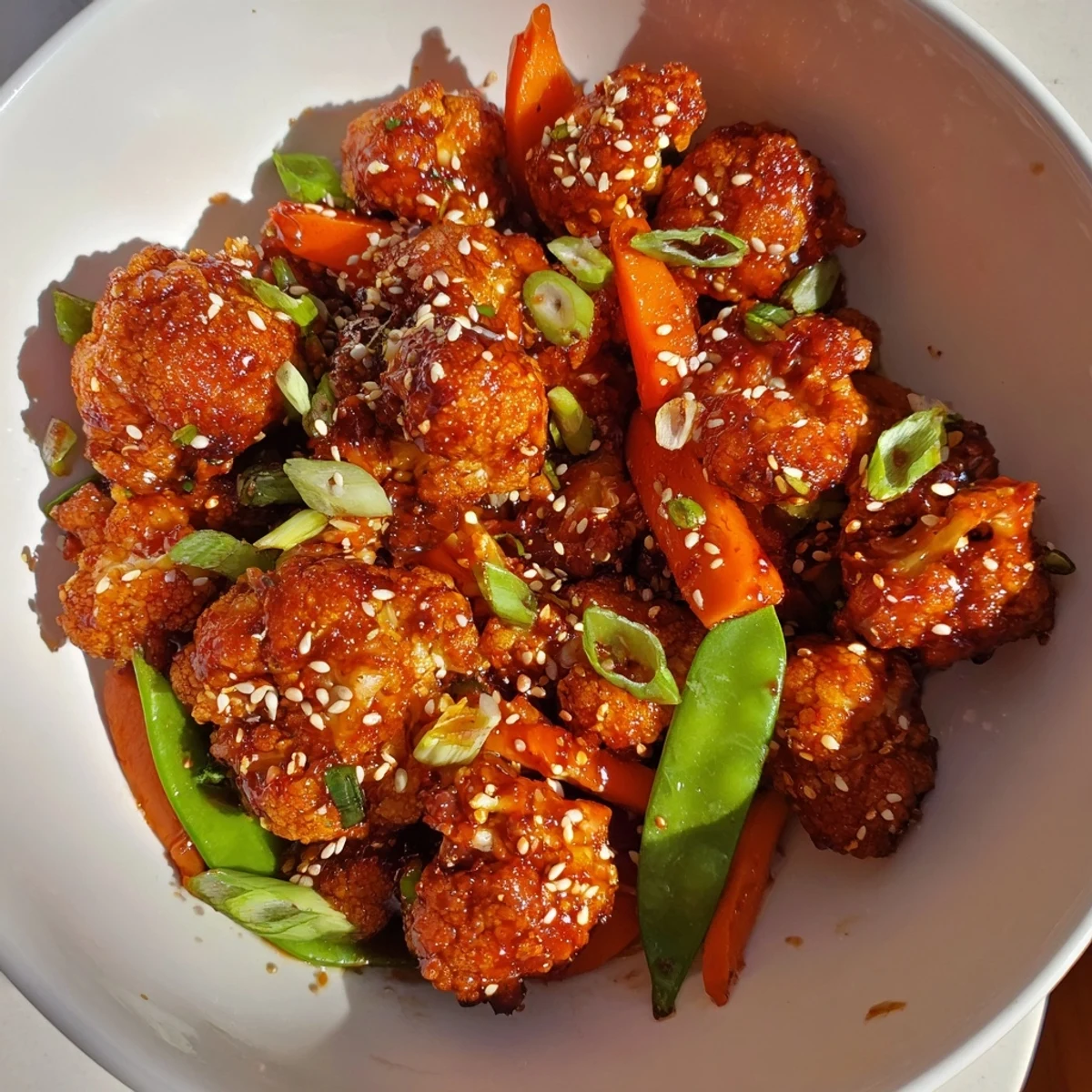
Save There's something deeply satisfying about recreating takeout flavors in your own kitchen, where you control every ingredient and the portions are actually generous enough for leftovers.
Recipe FAQs
- → How do I get the cauliflower extra crispy?
-
The panko breadcrumb coating creates the crunchiest texture. For even more crispiness, try air-frying the cauliflower at 375°F for 15-18 minutes instead of baking, shaking the basket halfway through cooking.
- → Can I make the sauce ahead of time?
-
Absolutely. Prepare the sauce up to 3 days in advance and store it in an airtight container in the refrigerator. Reheat gently on the stove, adding a splash of water if it thickens too much.
- → What's the best rice for these bowls?
-
Jasmine rice offers fragrant aroma and fluffy texture that pairs beautifully. Brown rice works well for extra fiber and nuttiness. For lower carbs, try cauliflower rice or quinoa as alternatives.
- → How spicy is the glaze?
-
With 1-2 teaspoons of sriracha, the spice level is medium—warming but not overpowering. Adjust to your preference by starting with 1 teaspoon and adding more to taste after tossing with the cauliflower.
- → Can I use frozen cauliflower?
-
Fresh cauliflower yields the best texture, but frozen works in a pinch. Thaw completely and pat dry thoroughly before breading to prevent sogginess. Note that frozen florets may be slightly less crisp.
- → How long do leftovers keep?
-
Store components separately in airtight containers for up to 4 days. Keep the sauce separate from the cauliflower to maintain crispiness. Reheat cauliflower at 400°F for 8-10 minutes to restore crunch.