
 Save
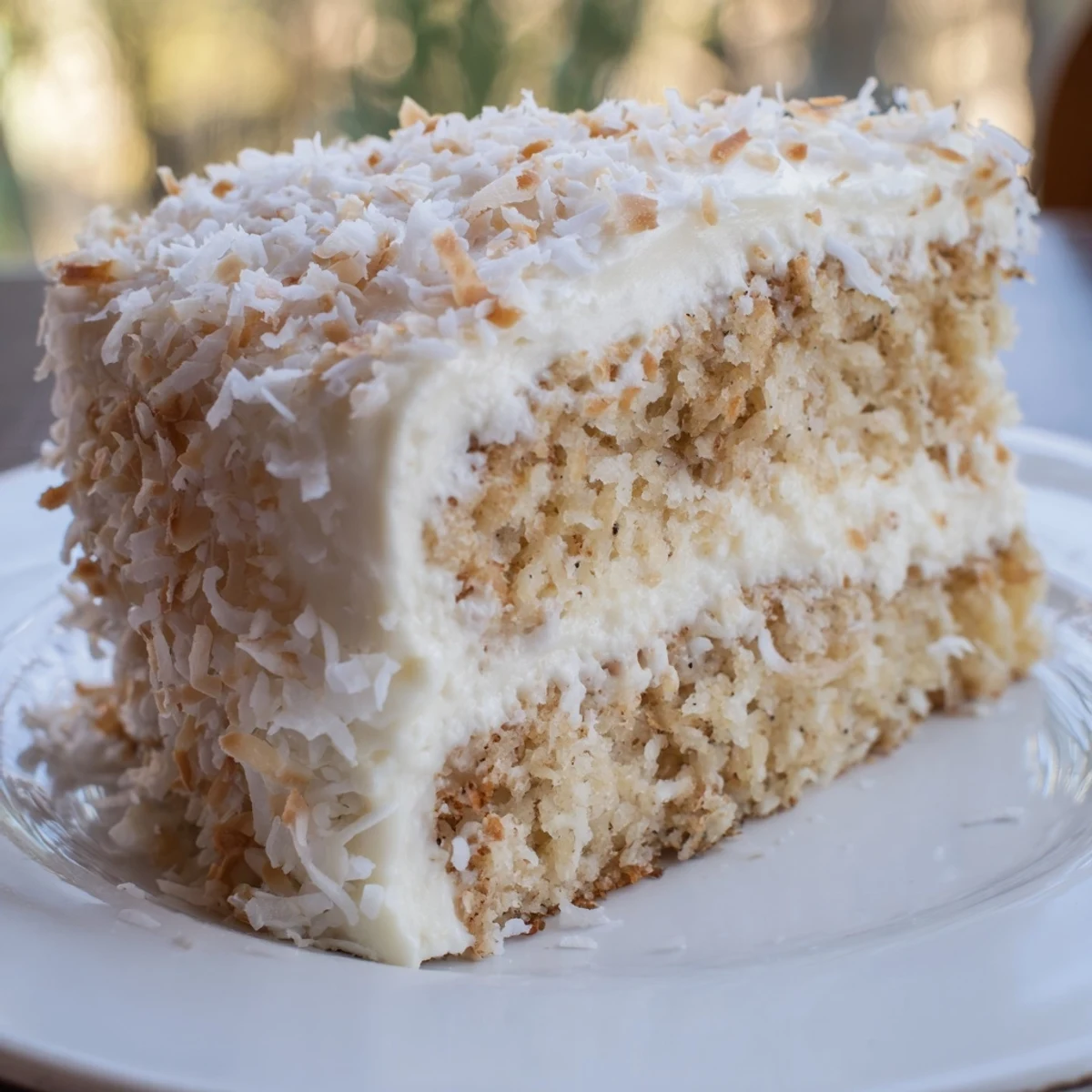
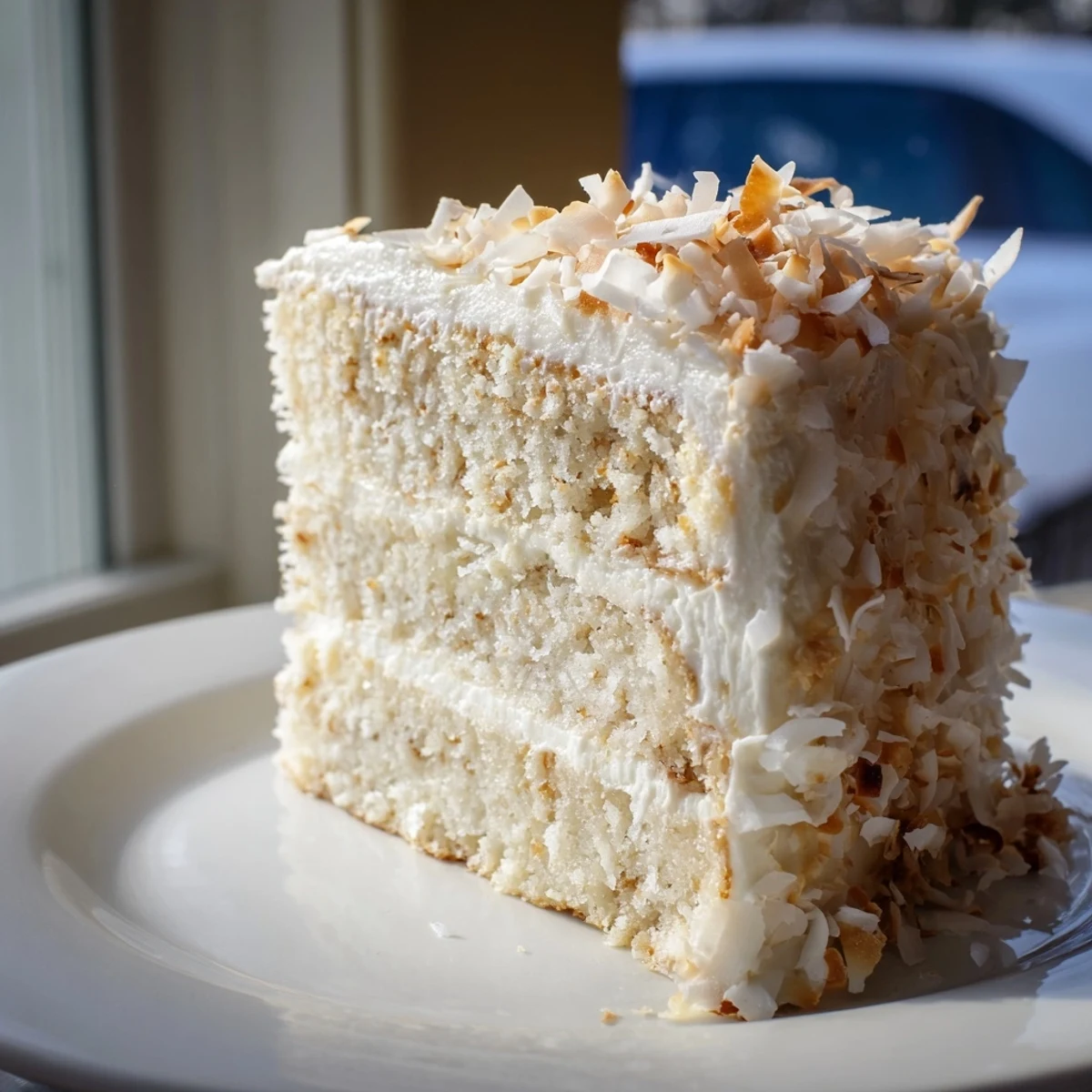
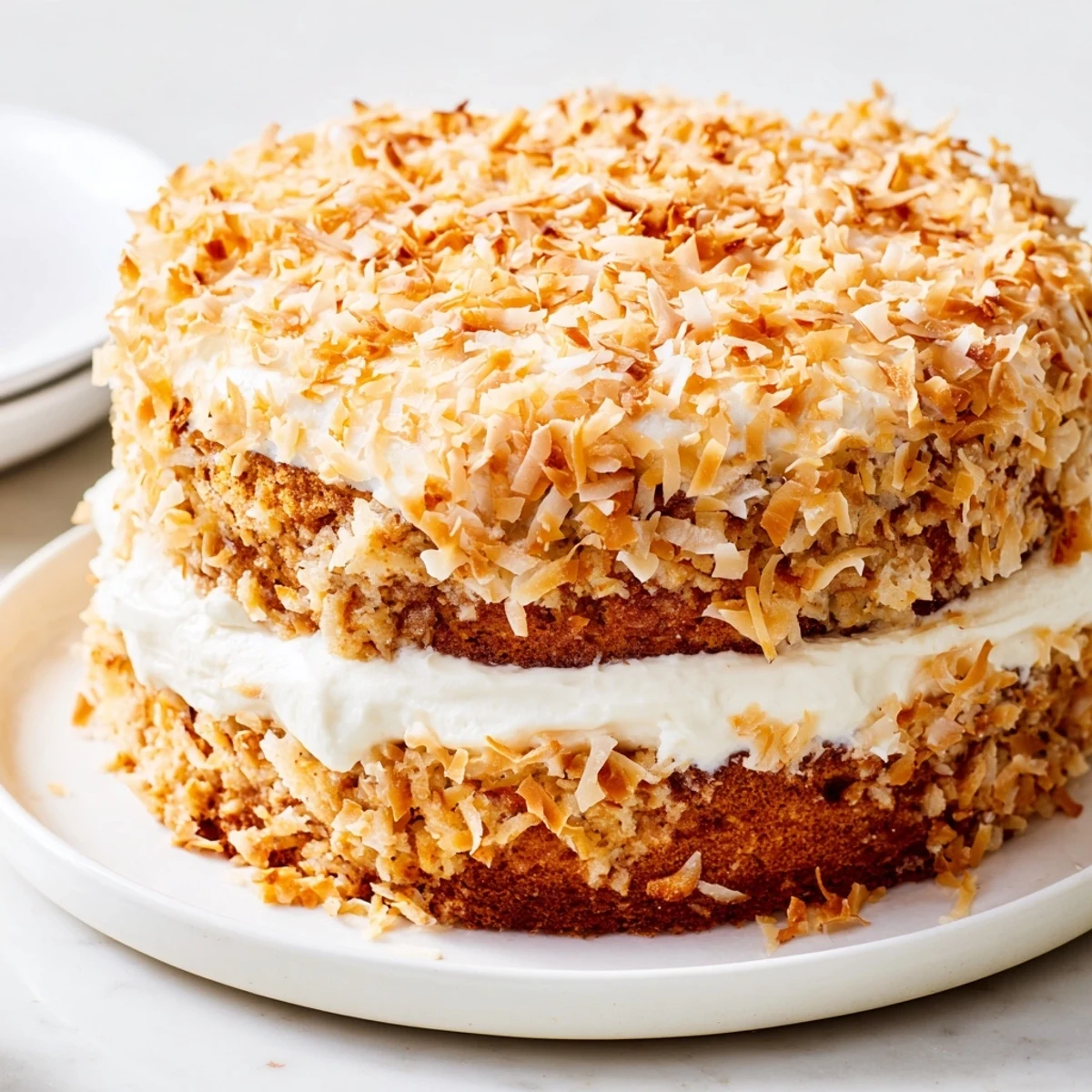
Save This Easter delight features a moist coconut cake infused with coconut milk and shredded coconut for subtle texture. Layers are generously coated with smooth cream cheese frosting, enhanced with vanilla and a hint of coconut extract. A final sprinkle of toasted shredded coconut adds a lovely crunch and decorative touch. The cake balances sweetness with tangy frosting, offering a rich but airy treat ideal for festive occasions. Cooling ensures clean slices and the option to add lemon curd or festive garnishes personalizes the experience.
The first Easter I hosted dinner myself, I was twenty three and convinced that a coconut cake would somehow prove I had my life together. My oven ran hot that year, and the edges came out a little more golden than I had planned, but my grandmother just said it gave the cake character and went back for seconds.
Last spring my neighbor smelled this baking through our shared wall and knocked on my door with a carton of eggs, just in case I needed them for round two. We ended up sharing slices on her porch while the kids hunted for eggs in her yard, and she told me her own mother used to make coconut cake every Easter Sunday without fail.
Ingredients
- All-purpose flour: The structure here matters, so spoon and level instead of scooping directly to avoid packing it down
- Baking powder and baking soda: Together they give the lift that makes each layer tall and tender
- Fine sea salt: Just enough to make the coconut flavor sing without tasting salty
- Unsalted butter: Room temperature is non negotiable here, cold butter will leave you with tiny lumps in your batter
- Granulated sugar: Creaming this with the butter creates all those tiny air pockets that make the cake light
- Large eggs: Room temperature eggs incorporate better and keep your batter emulsified
- Vanilla and coconut extract: The combo is what makes people ask what your secret ingredient is
- Canned coconut milk: Shake that can hard before opening, the cream settles at the bottom
- Sweetened shredded coconut: Folded into the batter, these little flakes create pockets of texture throughout
- Cream cheese: Full fat brick style, not the tub kind meant for bagels
- Powdered sugar: Sifting it first will save you from those frustrating frosting lumps
- Additional shredded coconut: Toasting it transforms the flavor from sweet to nutty and complex
Instructions
- Get your oven and pans ready:
- Preheat to 350°F and grease two 9 inch round pans, then flour them and line the bottoms with parchment paper
- Whisk the dry ingredients:
- In a medium bowl, combine flour, baking powder, baking soda, and salt so they are evenly distributed
- Cream the butter and sugar:
- Beat them together for about 3 or 4 minutes until they are pale and fluffy, this creates the cakes foundation
- Add the eggs and extracts:
- Beat in eggs one at a time, then add vanilla and coconut extract until everything is incorporated
- Build the batter:
- Alternate adding the flour mixture and coconut milk, starting and ending with flour, mixing just until combined
- Fold in the coconut:
- Gently fold in the shredded coconut by hand, being careful not to overwork the batter
- Bake the layers:
- Divide batter evenly between the pans, smooth the tops, and bake for 25 to 30 minutes until a toothpick comes out clean
- Cool completely:
- Let them rest in the pans for 10 minutes, then turn out onto wire racks until they are room temperature throughout
- Make the frosting:
- Beat cream cheese and butter until smooth, then gradually add sifted powdered sugar and vanilla, adding coconut milk only if needed
- Assemble the cake:
- Place one layer on your serving plate, frost the top, add the second layer, then frost the top and sides
- Add the finishing touch:
- Gently press toasted coconut onto the frosted surface, then chill for at least 30 minutes before slicing
 Save
Save My sister in law asked for the recipe after her first bite at Easter brunch last year, and she has made it for every family gathering since. There is something about the combination of textures and flavors that makes people feel like they are home, no matter where they are.
Making It Your Own
I have added a thin layer of lemon curd between the cake layers before, and that bright tang cuts through the richness in the most wonderful way. A friend of mine spreads raspberry jam instead, and her family swears it is the only way to eat coconut cake now.
Getting That Bakery Look
Toasting the coconut takes about five minutes in a 350°F oven, but watch it like a hawk because it goes from golden to burned fast. I spread it on a rimmed baking sheet and shake the pan halfway through so it browns evenly.
Make Ahead Magic
The cake layers can be wrapped well and frozen for up to a month, which means you can bake them on a quiet Tuesday and frost them the day of your party. Just thaw them still wrapped so condensation does not form on the cake.
- Chill the frosted cake for at least 30 minutes before slicing, it makes cleaner cuts
- Bring slices to room temperature for the best texture and flavor
- Store any leftovers in the refrigerator, covered loosely, for up to four days
 Save
Save There is nothing quite like cutting into that first slice and seeing all the layers you built with your own hands, especially when everyone at the table goes quiet for that first bite.
Recipe FAQs
- → What gives the cake its moist texture?
-
The use of coconut milk along with softened butter and eggs creates a rich, moist crumb that stays tender after baking.
- → How is the cream cheese frosting prepared for smoothness?
-
Beating softened cream cheese and butter until smooth, then slowly incorporating sifted powdered sugar and vanilla, ensures a fluffy, creamy texture.
- → Can I add extra coconut flavor to the cake?
-
Yes, including coconut extract in the batter enhances the natural coconut taste without overpowering the cake.
- → What is the purpose of toasting shredded coconut on top?
-
Toasted shredded coconut adds a crunchy texture contrast and a visually appealing golden finish.
- → How should the cake be stored after preparation?
-
Refrigerate the cake up to four days, then bring it to room temperature before serving for optimal flavor and texture.