
 Save
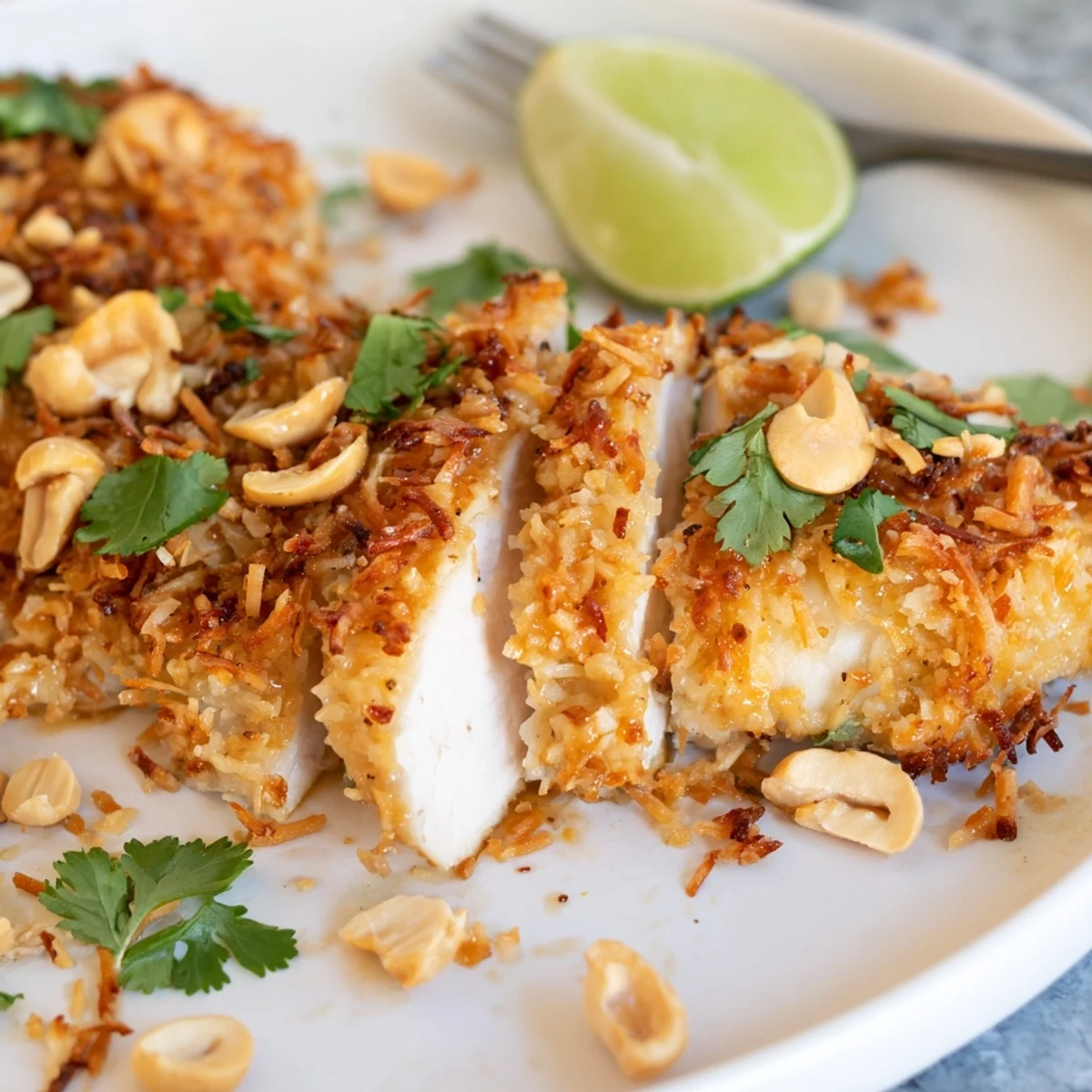
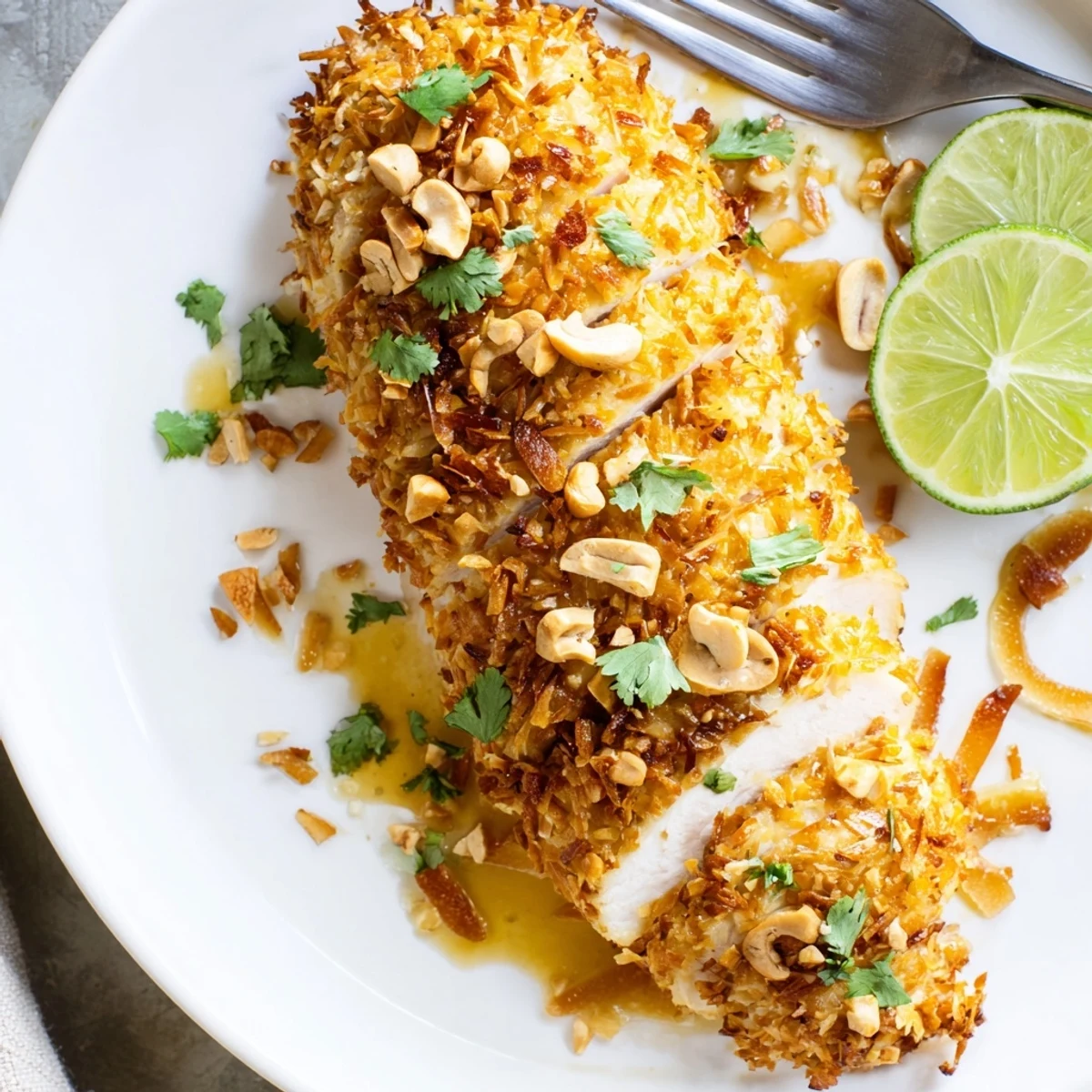
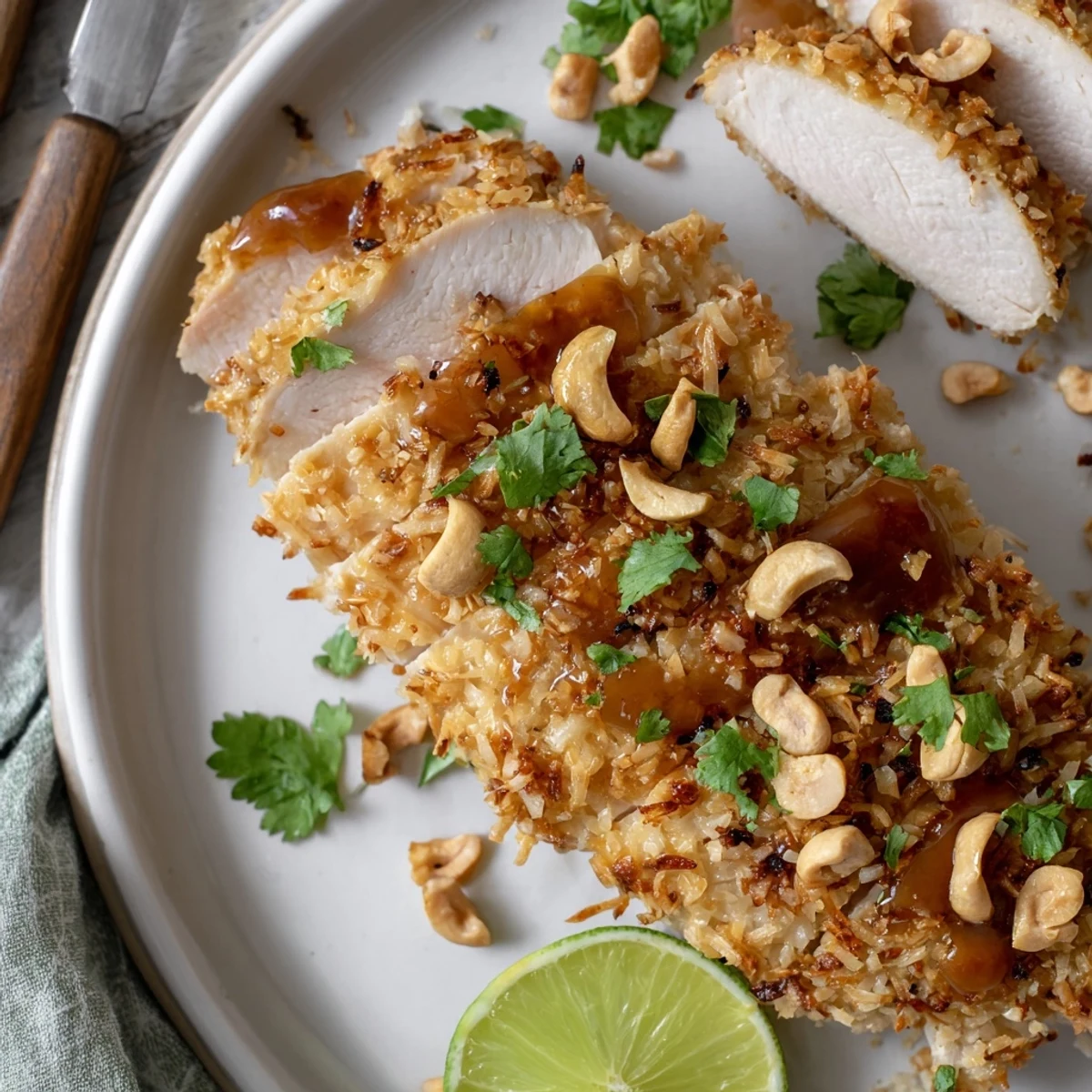
Save Coat chicken breasts in seasoned flour, dip in beaten eggs, then press into a coconut and breadcrumb mix. Sear 2–3 minutes per side in hot coconut oil, then bake at 400°F for 15–18 minutes until juices run clear. Simmer apricot preserves with soy, rice vinegar, Dijon, garlic and ginger until glossy. Serve drizzled with sauce, garnish with cilantro and lime; serves four.
The sizzle of coconut hitting a hot skillet on a rainy Tuesday evening changed my weeknight dinner game forever. I had a jar of apricot preserves lingering in the pantry from some long forgotten recipe experiment, and two chicken breasts staring back at me from the fridge like a challenge. That accidental pairing turned into something my family now requests at least twice a month, and the scent of toasted coconut still makes my kitchen feel like a tiny vacation.
My neighbor Dave wandered over during a backyard barbecue and spotted me making this through the kitchen window. He ended up staying for dinner, and now every time he sees me he asks if there is any of that coconut chicken left.
Ingredients
- 4 boneless, skinless chicken breasts: Pound them to even thickness so nothing ends up raw in the center while the edges turn to cardboard.
- 1 cup shredded unsweetened coconut: Unsweetened is crucial here because sweetened coconut will burn before the chicken cooks through.
- 1/2 cup gluten-free breadcrumbs: These add structure to the coconut coating and help it stick rather than sliding off in the pan.
- 1/2 cup gluten-free flour: The first layer of your breading station creates the glue that holds everything together.
- 2 large eggs: Beaten eggs act as the bridge between flour and coconut, so do not skip this step no matter how tempting.
- 1/2 tsp salt and 1/2 tsp black pepper: Season the chicken directly before dredging for flavor that penetrates beyond the crust.
- 2 tbsp coconut oil: Coconut oil complements the coating beautifully and handles the high heat needed for a proper sear.
- 1 cup apricot preserves: This is the magic ingredient that transforms a simple dinner into something people will remember.
- 2 tbsp soy sauce: Adds saltiness and umami that balances the sweetness of the preserves perfectly.
- 1 tbsp rice vinegar: A splash of acidity cuts through the richness and makes the sauce sing rather than just sit there.
- 1 tbsp Dijon mustard: Provides a subtle kick that makes people wonder what your secret ingredient is.
- 1 clove garlic, minced: Fresh garlic only, because the jarred stuff tastes flat and this sauce deserves better.
- 1/2 tsp grated fresh ginger: Optional on paper but truly essential in practice for that warm, vibrant undertone.
- 2 tbsp chopped fresh cilantro and lime wedges: The garnish is not decoration, it is the finishing touch that brightens every single bite.
Instructions
- Preheat your oven:
- Crank it to 400 degrees Fahrenheit and line a baking sheet with parchment paper so cleanup takes thirty seconds instead of thirty minutes of scrubbing.
- Set up your breading stations:
- Arrange three shallow dishes in a row with flour in the first, beaten eggs in the second, and the coconut breadcrumb mixture in the third like a little assembly line.
- Season and bread the chicken:
- Sprinkle salt and pepper directly on each breast, then dredge through flour, dip into egg, and press firmly into the coconut mixture making sure every side is fully coated.
- Sear to golden perfection:
- Heat coconut oil in a large skillet over medium-high heat and cook each piece for two to three minutes per side until you see that gorgeous golden color forming.
- Finish in the oven:
- Transfer the seared chicken to your prepared baking sheet and bake for fifteen to eighteen minutes until the juices run clear and a thermometer reads 165 degrees.
- Make the apricot sauce:
- While the chicken bakes, combine apricot preserves, soy sauce, rice vinegar, Dijon mustard, garlic, and ginger in a small saucepan over medium heat, stirring until smooth and slightly thickened.
- Plate and serve:
- Drizzle that beautiful sauce over the hot chicken and scatter fresh cilantro on top with lime wedges on the side for squeezing.
 Save
Save The night my daughter asked for this instead of pizza for her birthday dinner, I realized this recipe had officially become part of our family story.
Getting That Crust Right Every Time
The biggest mistake I made early on was using sweetened coconut from the baking aisle, which burned to a bitter black before the chicken was halfway done. Patting the chicken completely dry with paper towels before seasoning makes a surprising difference in how well the flour adheres. If your coconut coating keeps falling off, your oil is either not hot enough or you are flipping too soon and disturbing the bond before it sets.
The Apricot Sauce Is More Versatile Than You Think
I have poured this exact sauce over grilled pork chops, brushed it on salmon fillets, and even thinned it out as a salad dressing in desperate times. A pinch of red pepper flakes transforms it from sweet and mellow to something with real personality and heat. Once you master this basic formula, start experimenting with other preserves like peach or mango for completely different flavor profiles.
What to Serve Alongside
Fluffy jasmine rice soaks up the extra sauce like a dream and rounds out the plate beautifully. A crisp green salad with a light vinaigrette provides the refreshing contrast this rich dish needs.
- Toast some cashews and scatter them over the top for an unexpected crunch factor that guests always comment on.
- If you are feeding a crowd, slice the chicken into strips and arrange them on a platter with the sauce in a bowl for dipping.
- Leftover coconut chicken makes an incredible sandwich the next day with some crunchy lettuce and a smear of mayo.
 Save
Save This is the kind of recipe that makes people think you spent hours in the kitchen when really you were watching a show on the couch while the oven did the work. Share it freely and watch it become someone else's favorite too.
Recipe FAQs
- → How do I keep the coconut coating crisp?
-
Dry the chicken well, press the coconut-breadcrumb mix firmly to adhere, and sear in a hot skillet before finishing in the oven. Avoid overcrowding the pan and use toasted shredded coconut for extra crunch.
- → What gluten-free swaps work here?
-
Use gluten-free all-purpose flour and gluten-free breadcrumbs. Choose a gluten-free soy sauce or tamari for the apricot sauce to keep the dish free of wheat.
- → Can the apricot sauce be made ahead?
-
Yes. Cool the sauce and store in an airtight container in the fridge for up to 4 days. Reheat gently on low heat, stirring to return it to a glossy consistency before serving.
- → How can I tell when the chicken is done?
-
Use an instant-read thermometer—internal temperature should reach 165°F. Alternatively, cut into the thickest part to ensure juices run clear and there’s no pink center.
- → How can I add heat to the dish?
-
Stir a pinch of red pepper flakes into the apricot sauce or add a dash of sriracha or cayenne to the breadcrumb mix for a spicy kick without overpowering the fruitiness.
- → What are good side pairings?
-
Serve with jasmine rice, coconut rice, or a crisp green salad. Steamed vegetables or roasted snap peas complement the sweet-tangy sauce and crunchy crust.