
 Save
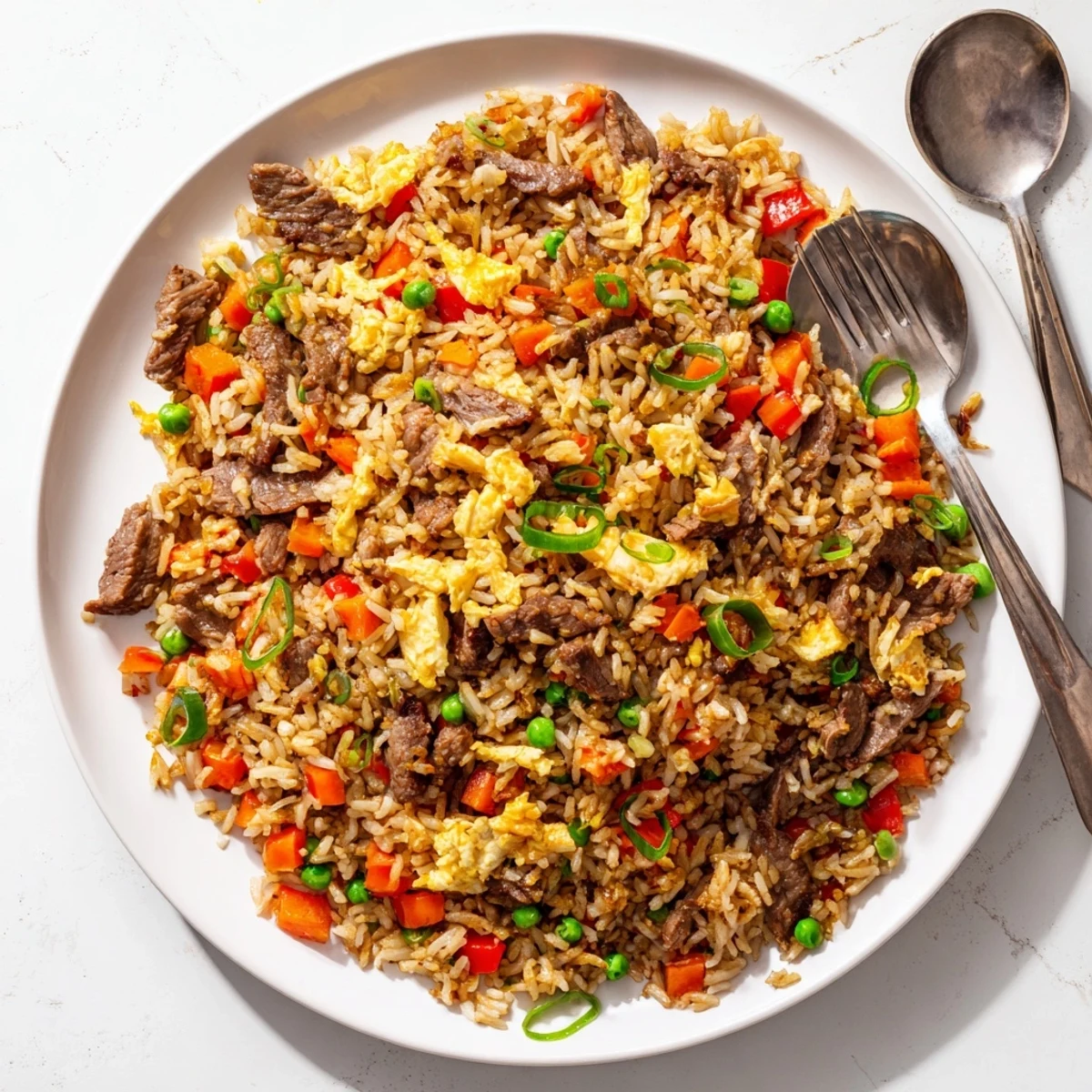
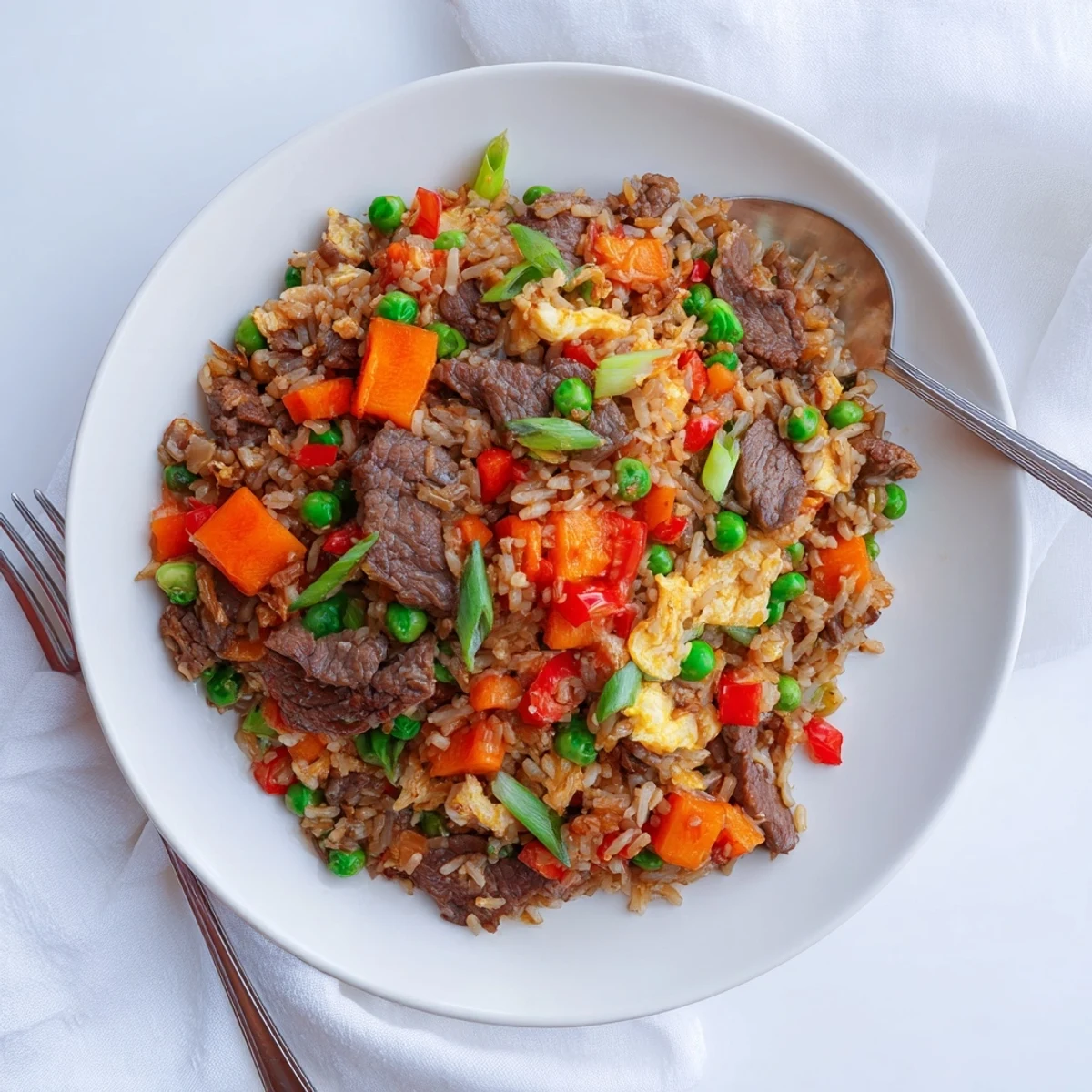
Save This satisfying stir-fried rice combines thinly sliced flank steak with crisp vegetables and aromatic seasonings for a complete meal that comes together quickly. The beef marinates briefly in soy sauce and sesame oil, developing depth before hitting high heat in a wok. Day-old jasmine rice prevents clumping and achieves that perfect texture, while peas, carrots, and bell pepper add color and nutrients. The final toss with oyster sauce, fresh ginger, and spring onions creates layers of savory umami flavor throughout every bite.
The first time I attempted fried rice at home, I stood there watching fresh, hot rice turn into an absolute sticky mess in my wok. Later that week, my neighbor leaned over the fence and told me about the day-old rice secret—something every Asian home cook knows but nobody writes down. Now I keep containers of cooled rice in my fridge specifically for those nights when fried rice cravings hit hard. That simple trick changed everything.
Last winter, my brother dropped by unexpectedly after his shift at the hospital, exhausted and starving. I threw together this fried rice with whatever I had in the crisper drawer, and he literally leaned back in his chair and said this was better than the takeout he ordered every Friday. Now he requests it whenever he visits, and I always double the batch because leftovers disappear by morning.
Ingredients
- 250 g flank steak or sirloin, thinly sliced: The thin slices absorb the marinade quickly and stay tender through high-heat cooking
- 1 tbsp soy sauce, 1 tsp cornstarch, 1 tsp sesame oil: This velvetting technique prevents the beef from becoming tough and chewy
- 3 cups cooked and cooled jasmine rice: Day-old rice is non-negotiable—it dries out enough to separate into distinct grains
- 1 medium carrot, 1 red bell pepper, 100 g frozen peas: The frozen peas add sweetness without prep work, and fresh peppers bring crunch
- 2 spring onions, 2 cloves garlic, 1 tbsp fresh ginger: Fresh aromatics make all the difference between flat and vibrant flavor
- 2 tbsp soy sauce, 1 tbsp oyster sauce, 1 tsp toasted sesame oil, ½ tsp ground white pepper: White pepper gives that authentic Asian restaurant heat without being overpowering
- 2 large eggs, lightly beaten: Room temperature eggs scramble faster and incorporate more evenly
- 2 tbsp vegetable oil, divided: High smoke point oil handles the intense heat of wok cooking without burning
Instructions
- Marinate the beef:
- Combine the sliced beef with soy sauce, cornstarch, and sesame oil in a bowl. Let it sit for 10 minutes while you prep everything else—this coating locks in moisture.
- Sear the beef:
- Heat 1 tbsp oil in a wok over high heat until shimmering. Add the beef in a single layer and let it sear for 2–3 minutes until browned, then remove it from the wok immediately.
- Cook the aromatics:
- Add the remaining oil to the wok, then toss in garlic, ginger, and carrot. Stir-fry for 2 minutes until fragrant and the carrot begins to soften.
- Add remaining vegetables:
- Throw in the bell pepper and frozen peas, stir-frying for another 2 minutes until everything is bright and just tender.
- Scramble the eggs:
- Push vegetables to one side of the wok and pour in the beaten eggs. Let them set for 30 seconds, then scramble them quickly until just cooked.
- Add the rice:
- Dump in the cooled rice, breaking up clumps with your spatula. Stir-fry for 2–3 minutes, pressing the rice against the hot wok surface to dry it out slightly.
- Combine everything:
- Return the beef to the wok, then pour in the soy sauce, oyster sauce, sesame oil, and white pepper. Toss everything together vigorously for 1–2 minutes until the sauce coats every grain.
- Finish and serve:
- Stir in the spring onions last, taste, and adjust the salt. Serve immediately while everything is still steaming hot.
 Save
Save This recipe became my go-to after my daughter declared she wanted to learn how to cook before heading off to college. We made it together every Sunday for three months straight, and now she makes it for her roommates. That tradition of passing down recipes, one messy wok at a time, feels like the real inheritance here.
The Rice Secret
I keep a dedicated container in my freezer specifically for leftover rice—anytime I cook rice, I make extra and stash it for fried rice later. The grains firm up beautifully in the cold, and they separate into individual pearls when they hit the hot wok. Once you try this, you will never attempt fried rice with fresh-cooked rice again.
Choosing the Right Beef
Flank steak works wonderfully here because it has a pronounced grain, making it easy to slice against the fibers. If you cannot find flank, skirt steak or even hanger steak will give you similar results. Just remember to slice it paper-thin and against the grain—thick pieces turn chewy and tough in stir-fries.
Customizing Your Bowl
The beauty of fried rice lies in its flexibility. I have swapped beef for leftover rotisserie chicken, shrimp from a quick weeknight sale, and even crumbled tofu when my vegetarian niece visits. Frozen vegetables work perfectly, and I often toss in whatever needs using from my crisper drawer.
- Keep prepped vegetables in your freezer for those chaotic weeknight moments
- Double the sauce recipe and store it in a jar for instant flavor next time
- Always taste your rice before serving—every brand of soy sauce has a different salt level
 Save
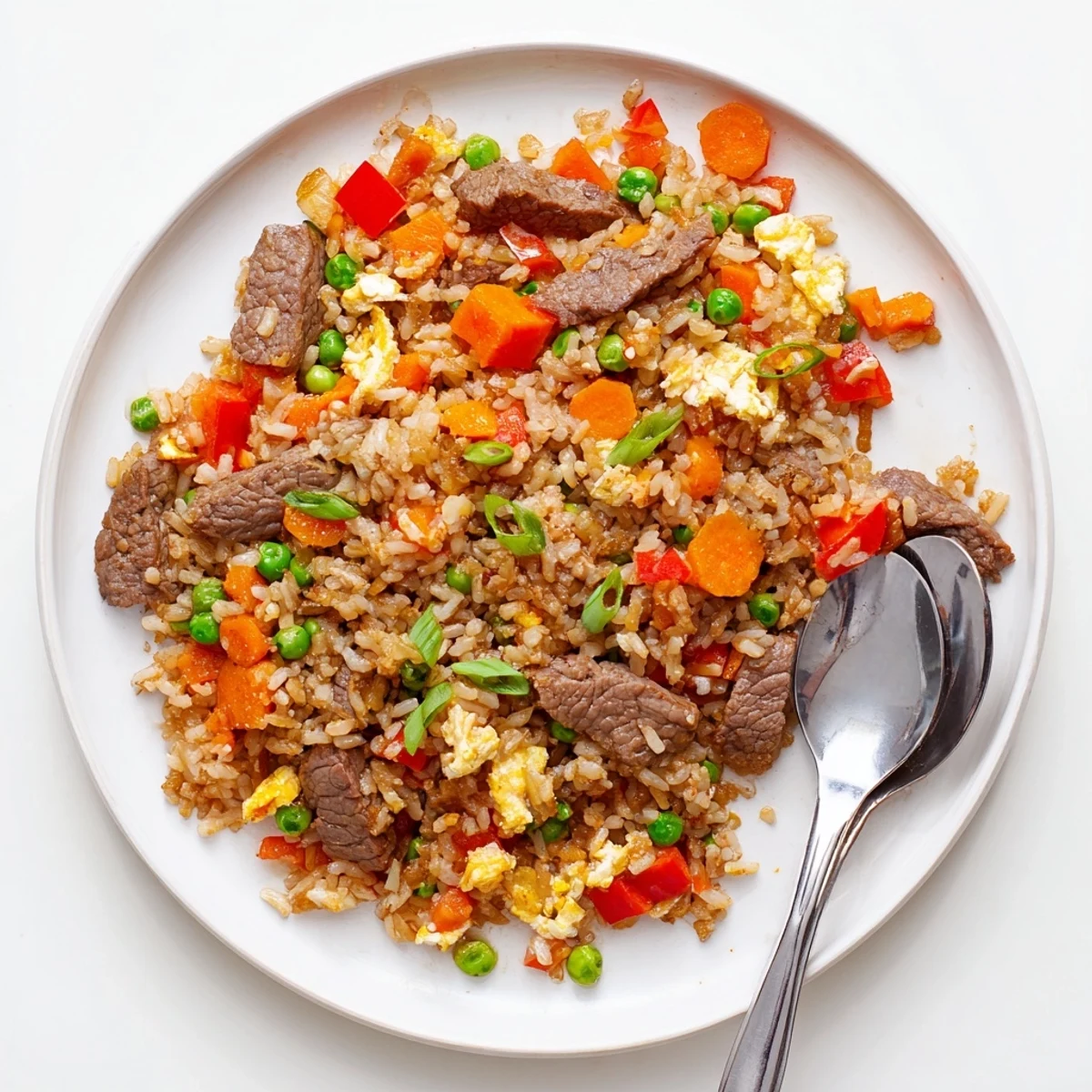
Save Fried rice has this magical way of turning tired leftovers into something that feels like a treat, and that is exactly what home cooking should be.
Recipe FAQs
- → Why use day-old rice for stir-frying?
-
Day-old rice has dried out slightly, which prevents clumping and allows each grain to separate evenly when stir-fried. Freshly cooked rice retains too much moisture and can become mushy in the wok.
- → What cut of beef works best?
-
Flank steak or sirloin are ideal choices because they're lean and tenderize beautifully when thinly sliced against the grain. The brief marinating time helps break down fibers for extra tenderness.
- → Can I make this ahead of time?
-
While best served immediately hot, you can prep all ingredients in advance. Slice the beef, chop vegetables, and measure sauces. The actual cooking takes just 15 minutes when you're ready to eat.
- → How do I prevent the beef from overcooking?
-
Stir-fry the beef over high heat for just 2–3 minutes until browned, then remove it from the wok. This prevents toughness. Add it back at the end just to warm through and combine with the sauce.
- → What vegetables can I substitute?
-
Baby corn, snap peas, broccoli florets, or diced zucchini all work wonderfully. The key is cutting everything into similar-sized pieces so they cook evenly in the short stir-fry time.
- → Is this dish gluten-free?
-
Traditional soy sauce and oyster sauce contain gluten. Simply substitute with gluten-free tamari and gluten-free oyster sauce to make this entirely gluten-free without sacrificing flavor.